The Diplomacy of Deadlock: Reading the Latest Round of Talks
What negotiators say, what they signal, and what the silences mean.
Diplomatic communiqués are written to be read twice — once for what they say, and once for what they carefully avoid saying.
This analysis parses the latest round of talks in that spirit: mapping the stated positions, the procedural moves, and the leverage each party is trying to build or preserve.
Deadlock is not the absence of strategy. Often it is the strategy. Understanding why requires attention to timing as much as to text.

About the author
Fulcrum Report
Independent Middle East analyst holding a PhD in Political Science. Fulcrum Report offers rigorous, framework-driven coverage of politics and geopolitics across the Levant and the wider region — analysis without agenda.
Related reading

Jerusalem's Contested Skyline: Sovereignty, Symbolism, and the Status Quo
The "status quo" over Jerusalem's holy sites is often invoked and rarely explained. This analysis unpacks the arrangements, the actors, and the pressures that keep — or threaten — a fragile balance.
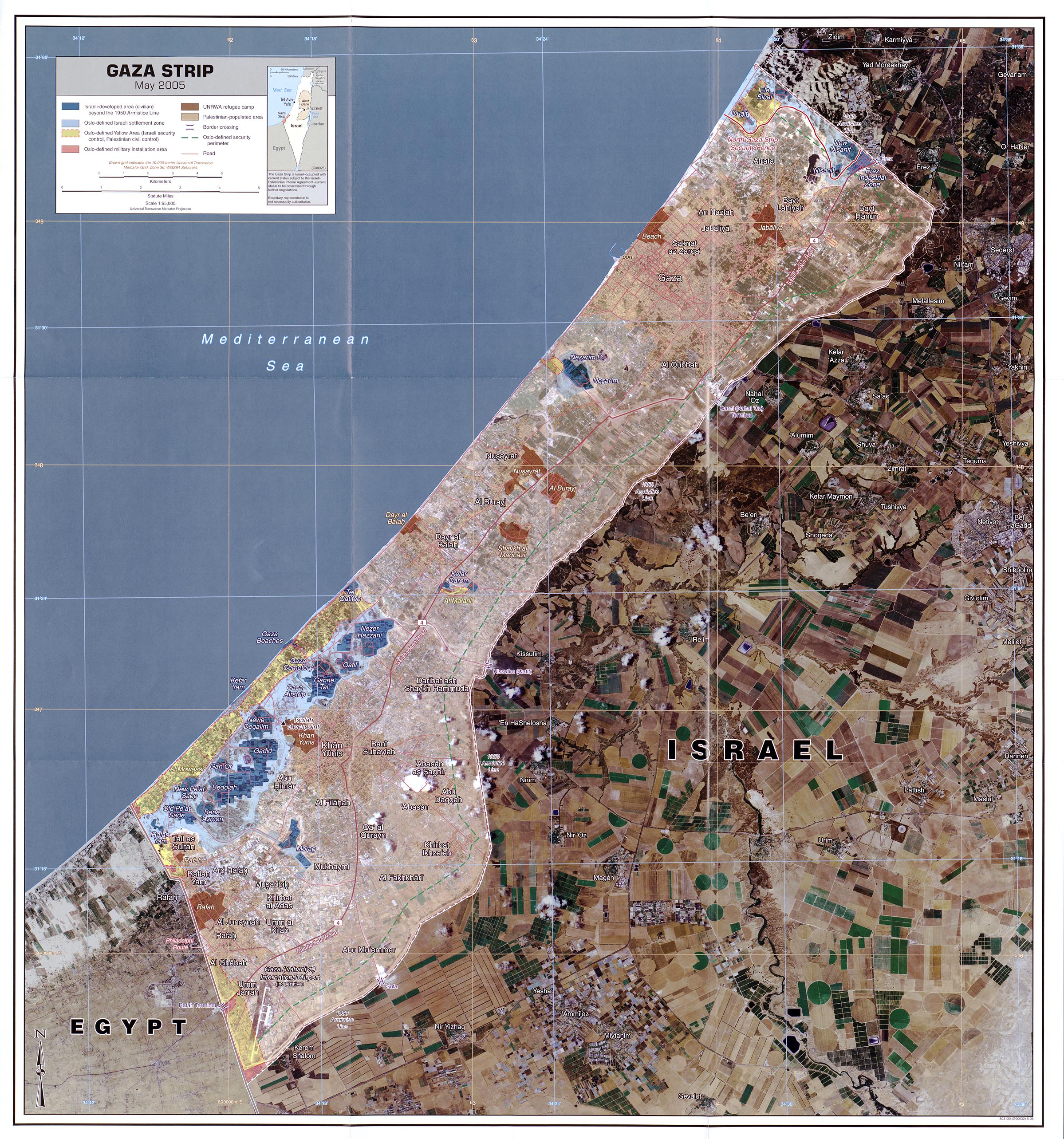
After the Ceasefire: What Reconstruction Reveals About Gaza's Future
Reconstruction timelines say as much about politics as engineering. This piece examines the actors, funding channels, and governance questions that will shape Gaza in the years ahead.

Lebanon's Fragile Recovery: Between Collapse and Reinvention
Lebanon's crises are so layered they resist simple narration. This analysis looks past the headlines at the institutions, informal economies, and external pressures shaping its uncertain recovery.