Analysis
Careful, framework-driven reads on the forces shaping the Middle East — analysis without agenda.
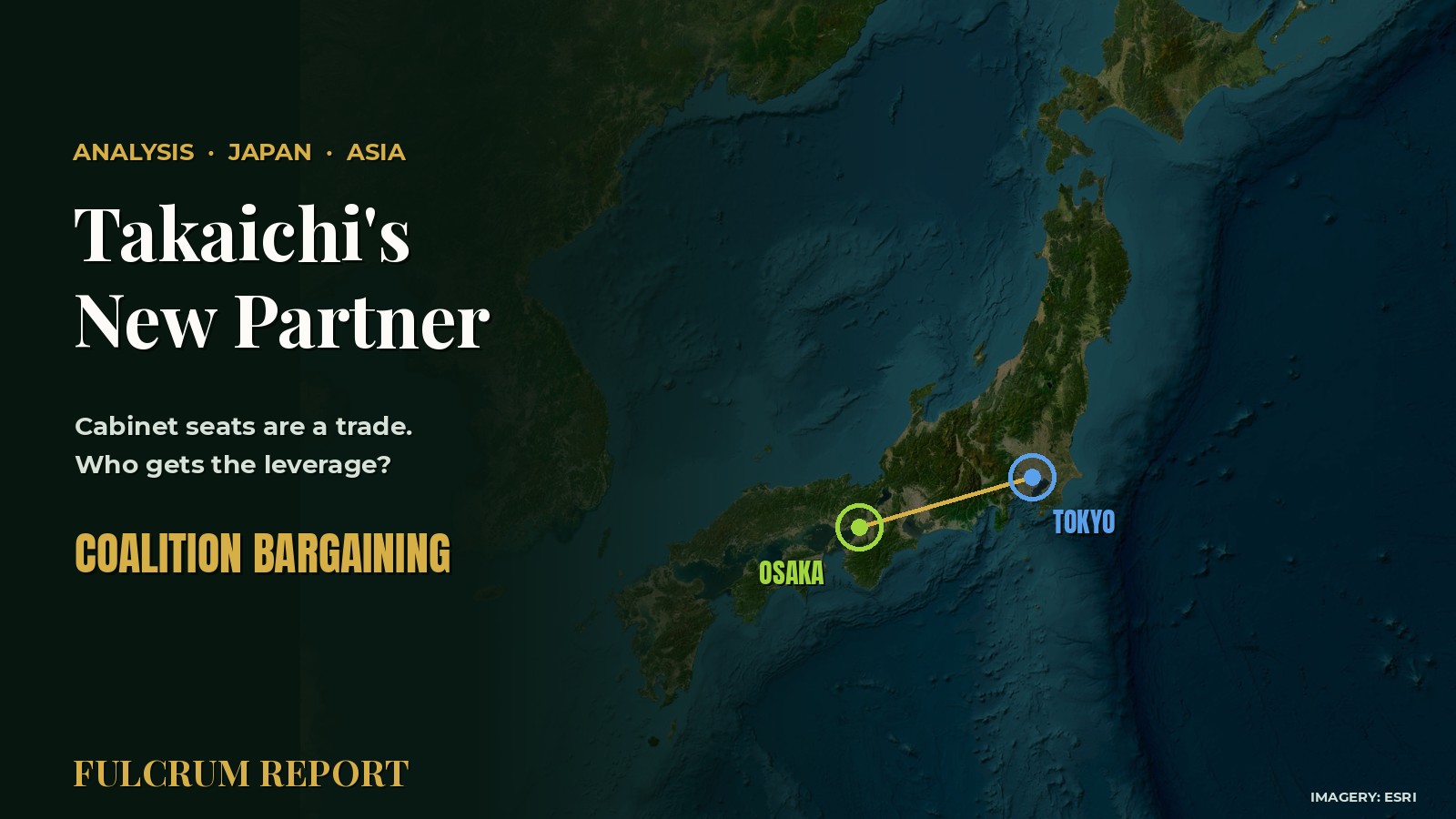
Takaichi's New Partner: Why Cabinet Seats Are a Trade
Sanae Takaichi reportedly reshuffled her cabinet on September 16 and 17, bringing in the Japan Innovation Party (Ishin) for the first time. Her camp holds two-thirds of the lower house but lacks an upper-house majority. A look at coalition bargaining and who gets the leverage.
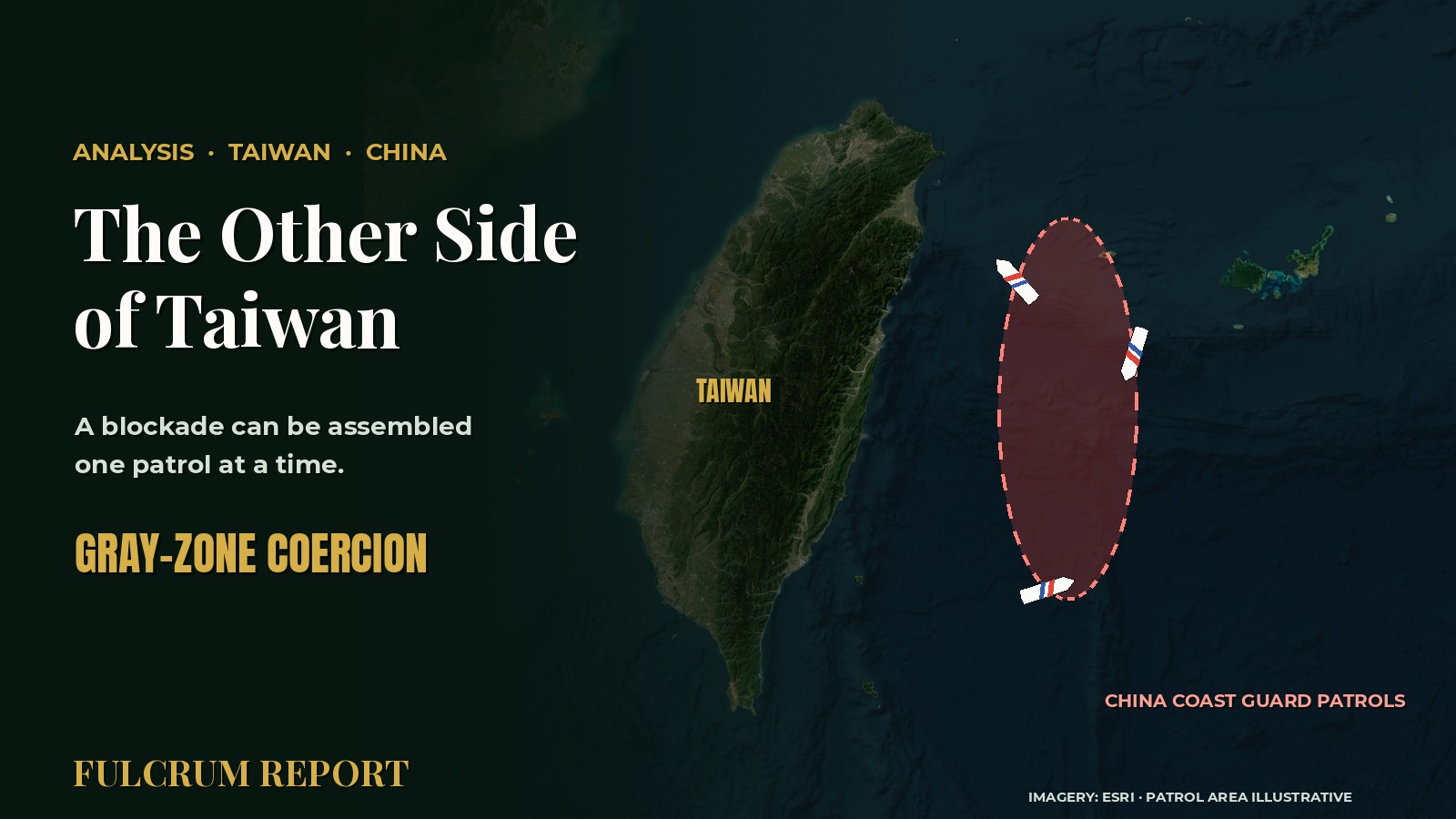
The Other Side of Taiwan: How a Blockade Gets Built Without Being Declared
China's Coast Guard has reportedly set up a regular presence east of Taiwan, framed as law enforcement, while a $14 billion U.S. arms package is pending. A look at gray-zone coercion, salami tactics and escalation control.
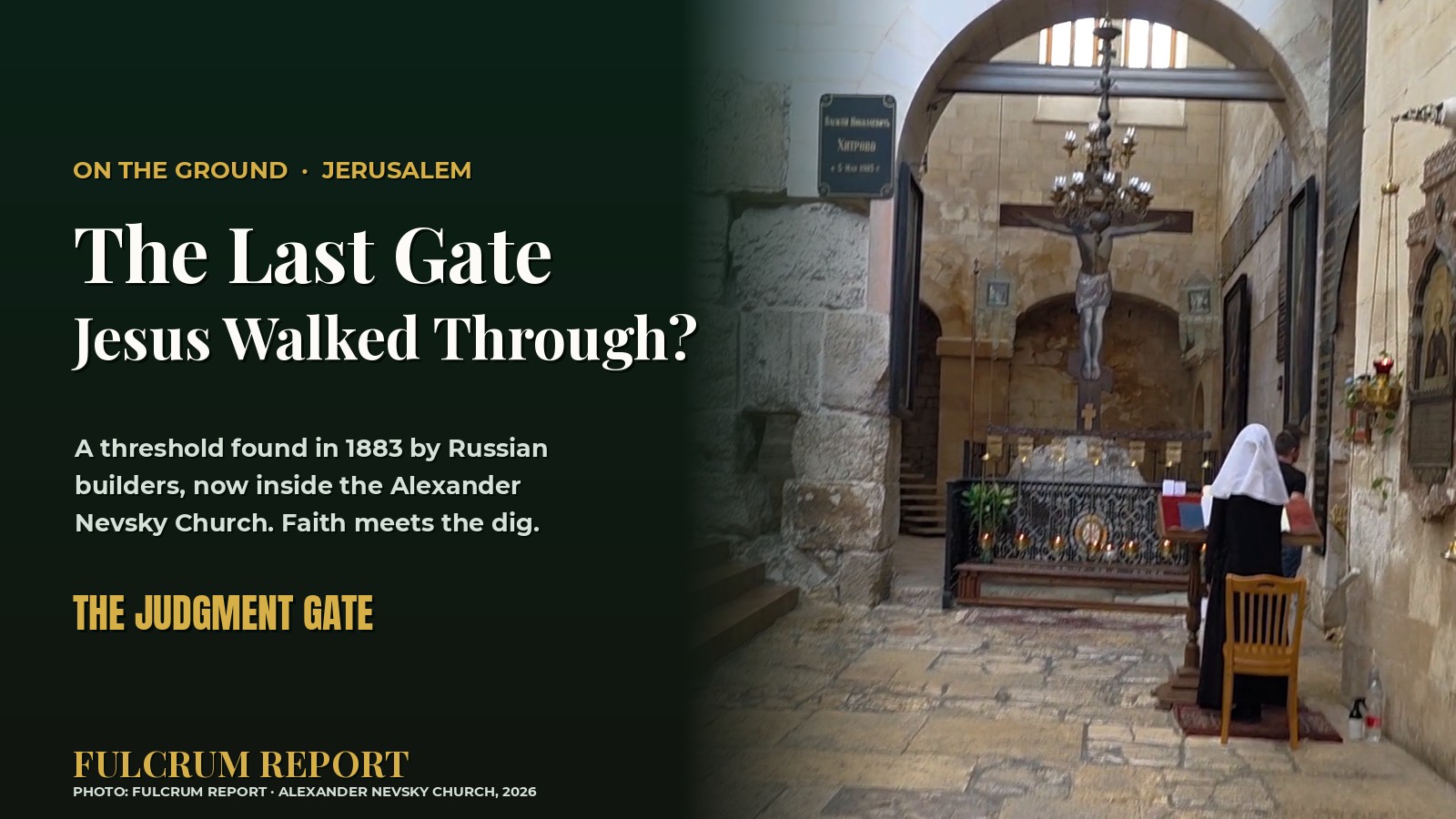
The Last Gate Jesus Walked Through?
The Threshold of the Judgment Gate, the "Eye of the Needle" and Constantine’s lost front door, inside Jerusalem’s Alexander Nevsky Church.
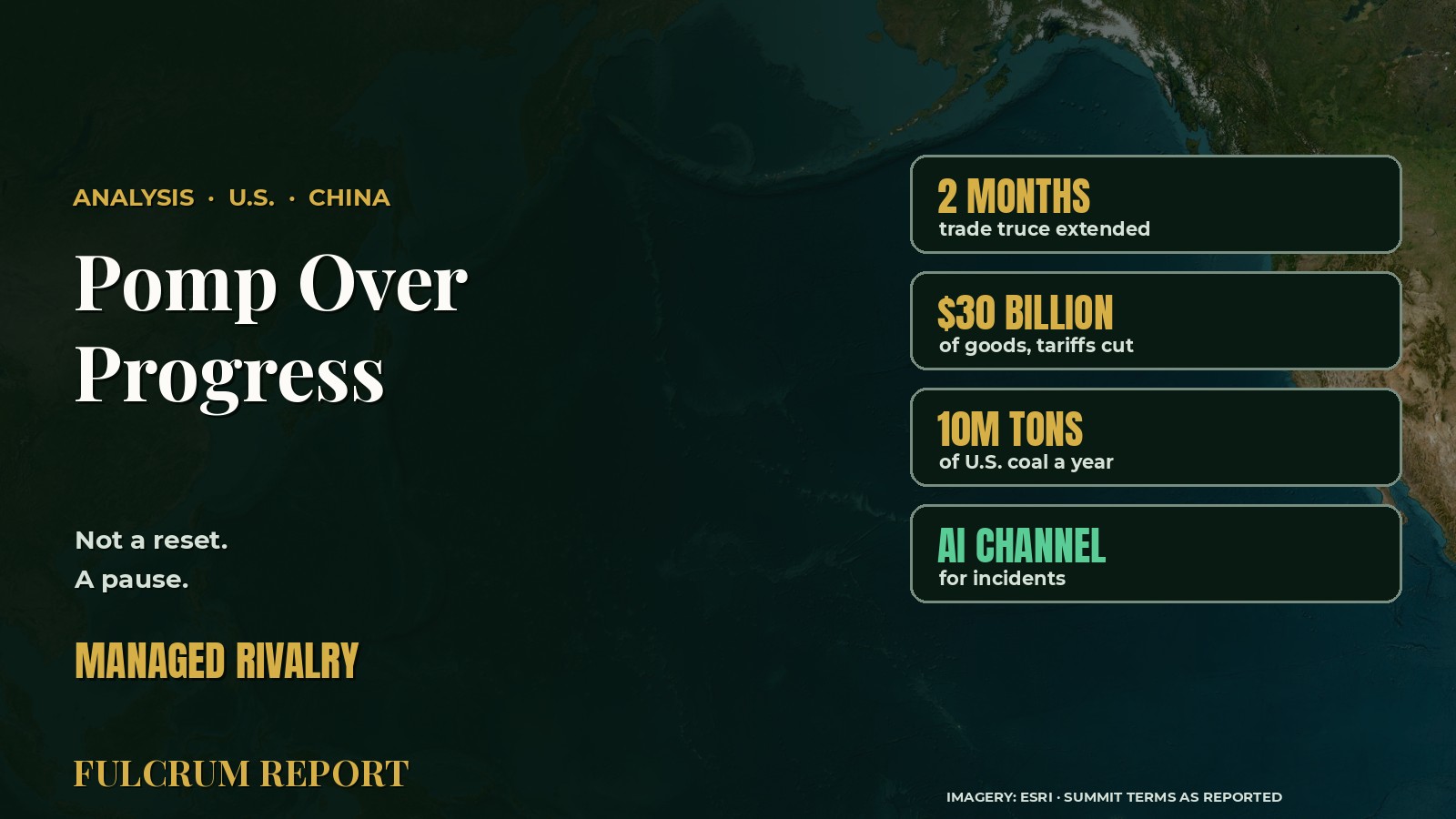
Pomp Over Progress: What Xi's Washington Visit Actually Bought
Xi Jinping's state visit ended with the trade truce extended two months, tariff cuts on $30 billion of goods, a coal deal and an AI incident channel. A look at managed rivalry and why guardrails matter.
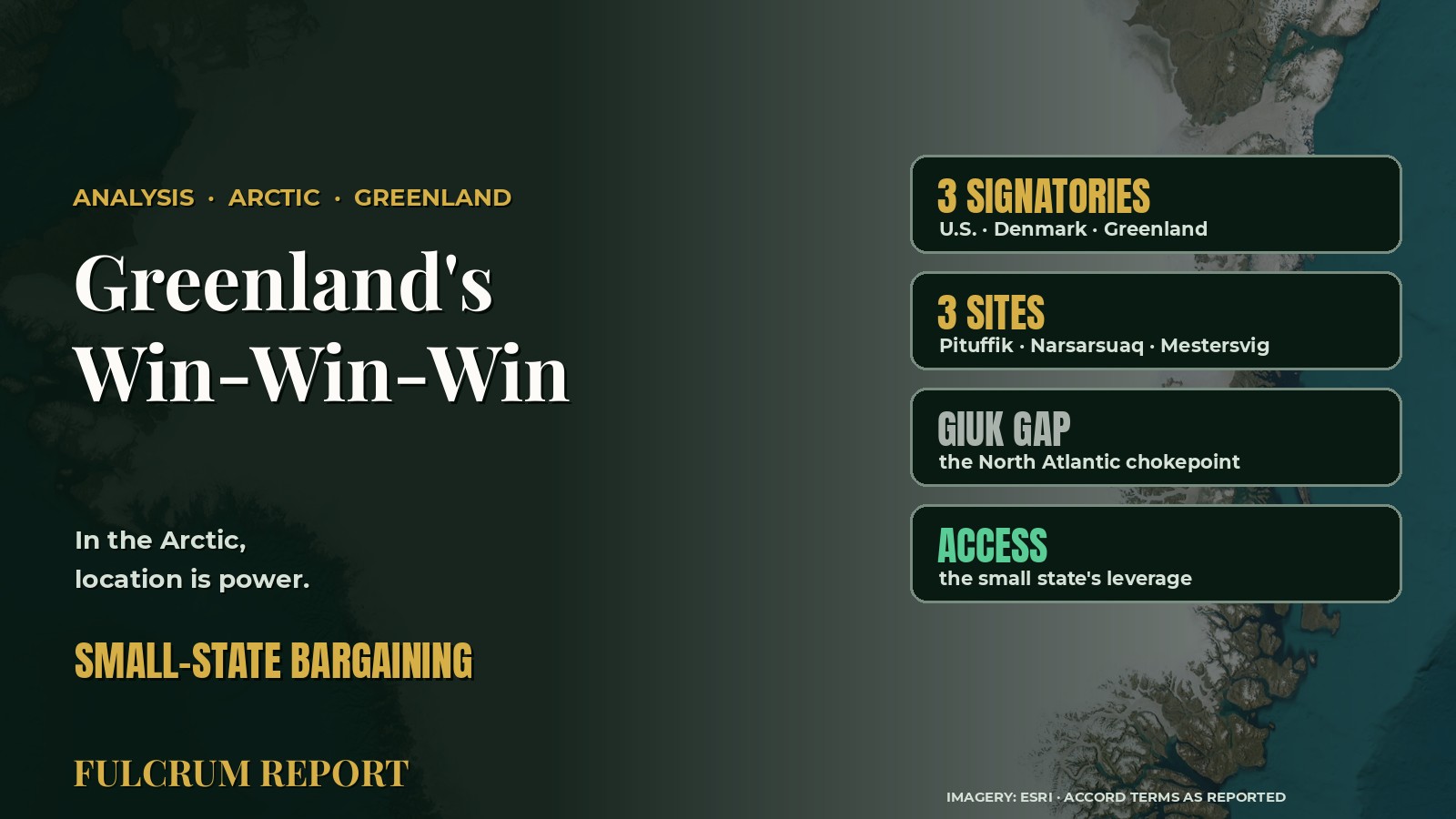
Greenland's Win-Win-Win: How a Small Place Bargained With a Superpower
On September 22 the U.S., Denmark and Greenland signed a security accord covering Pituffik, Narsarsuaq and Mestersvig. A look at the GIUK gap, small-state bargaining, and who really won.
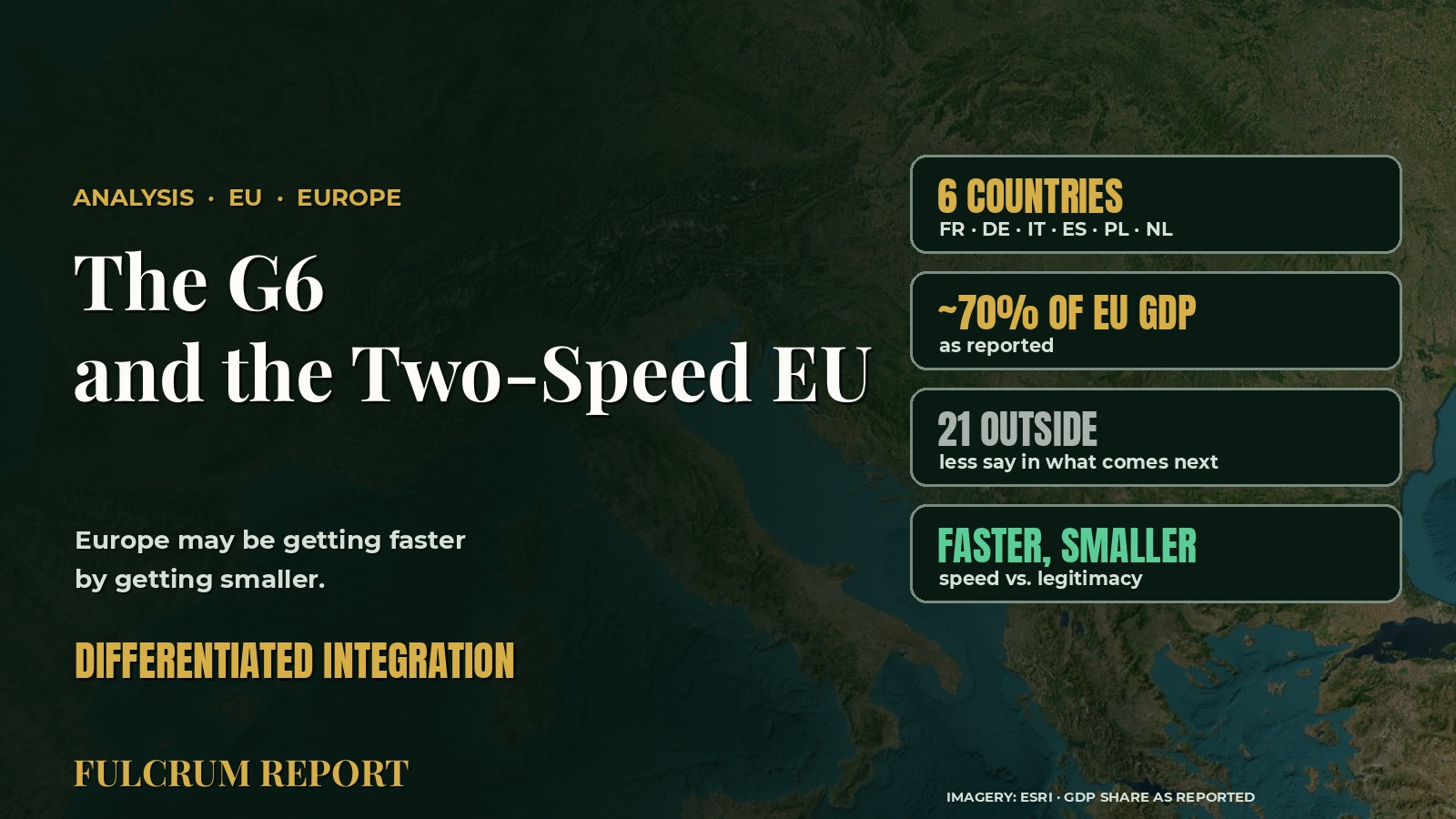
The G6: Is Europe Getting Faster by Getting Smaller?
France, Germany, Italy, Spain, Poland and the Netherlands are reportedly forming a G6 to work around the EU's unanimity rule. Differentiated integration, its precedents, and the trade-off between speed and legitimacy.
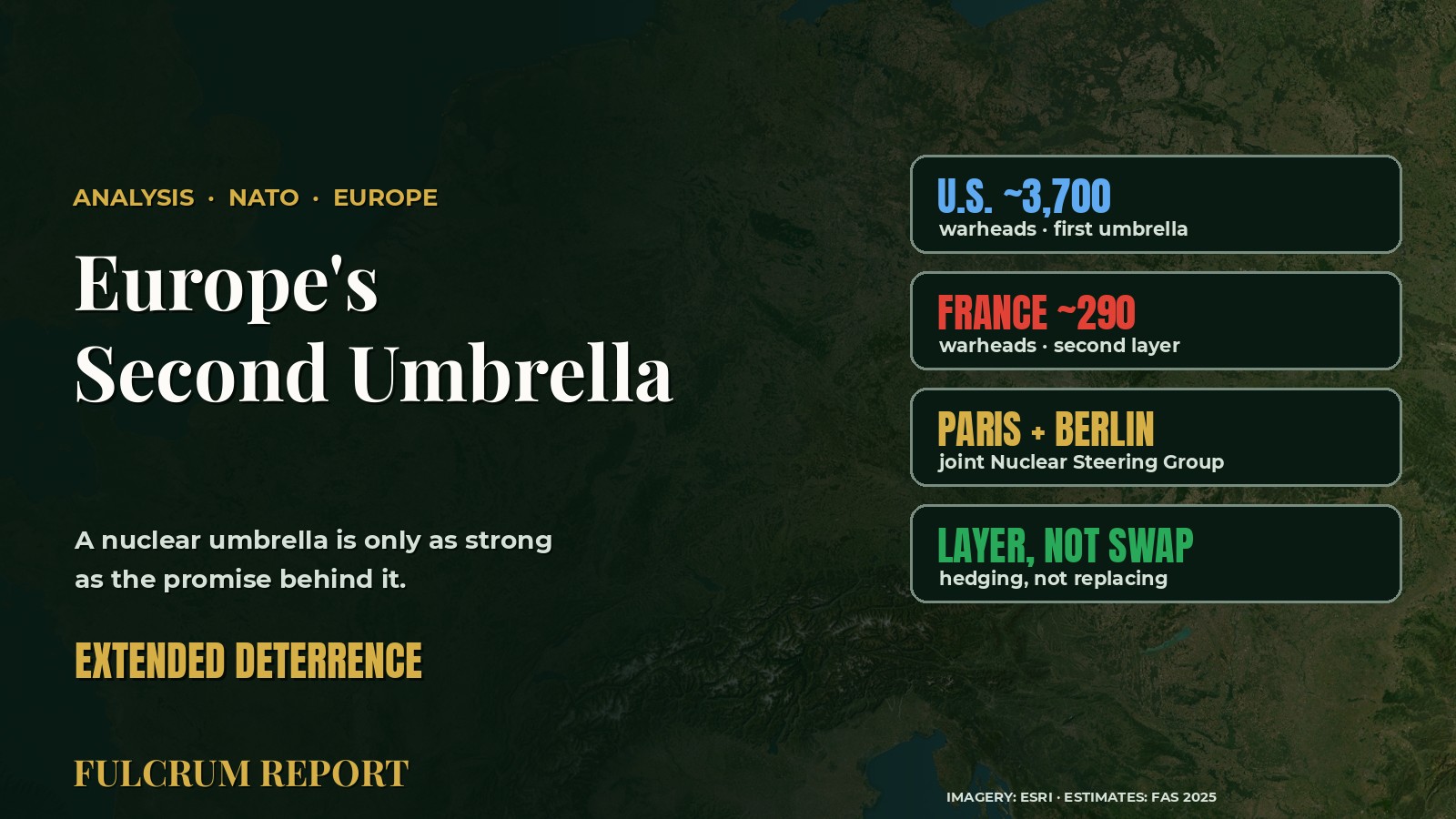
Europe's Second Umbrella
Paris and Berlin have reportedly set up a joint Nuclear Steering Group, and Germany will take part in French nuclear exercises. Extended deterrence, the credibility gap, and why this is a second layer rather than a replacement.
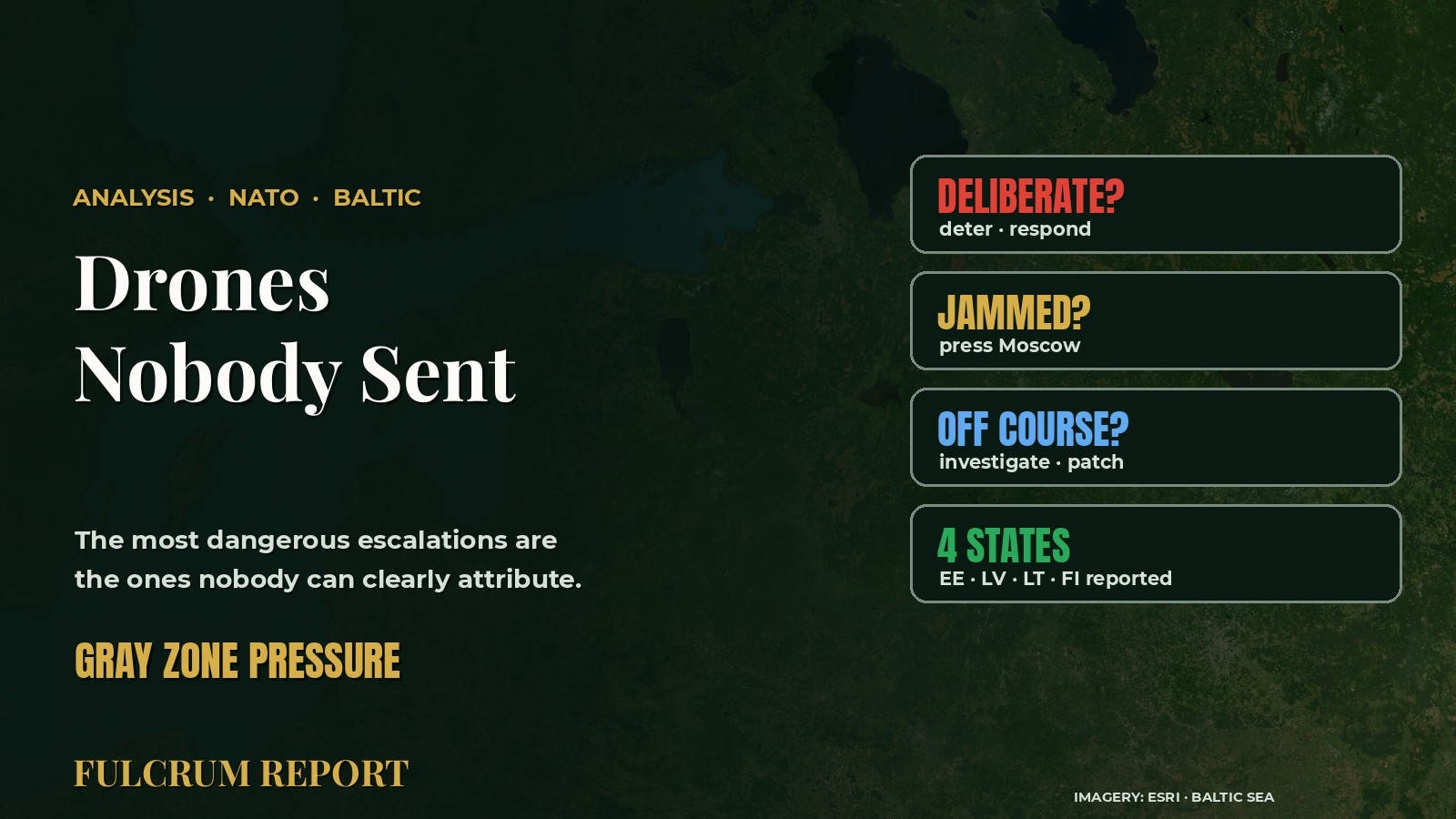
Drones Nobody Sent
Estonia, Latvia, Lithuania and Finland have reported drone incursions. Most appear to be Ukrainian drones diverted by Russian jamming, but a Russian Geoscan drone was reportedly found in Finland. Why ambiguity is the weapon.
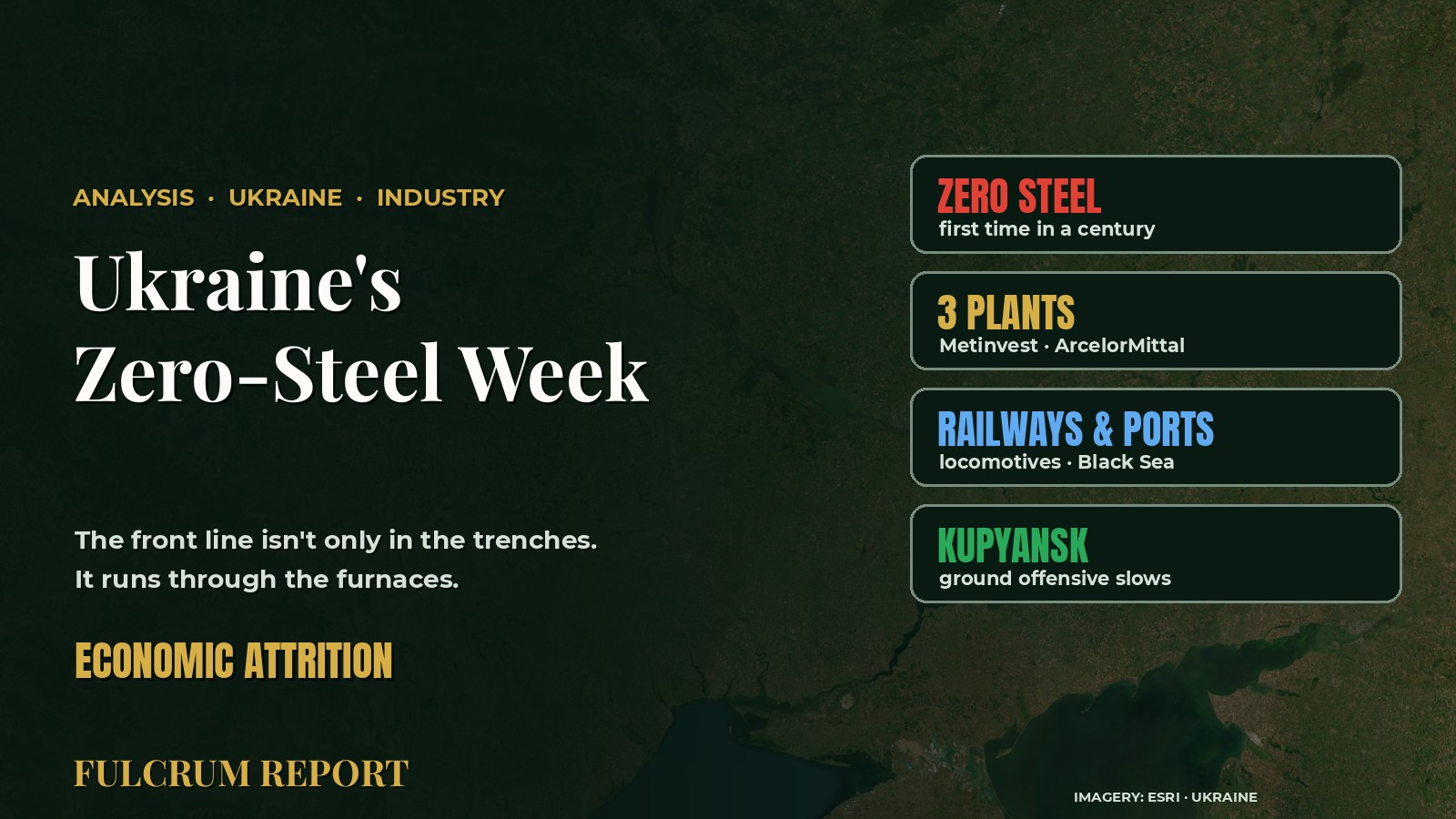
Ukraine’s Zero-Steel Week
As reported, Russian strikes knocked out Ukraine’s three remaining major steel plants while the ground offensive around Kupyansk slowed. Strategic bombing, economic attrition, and where that bet could fail.
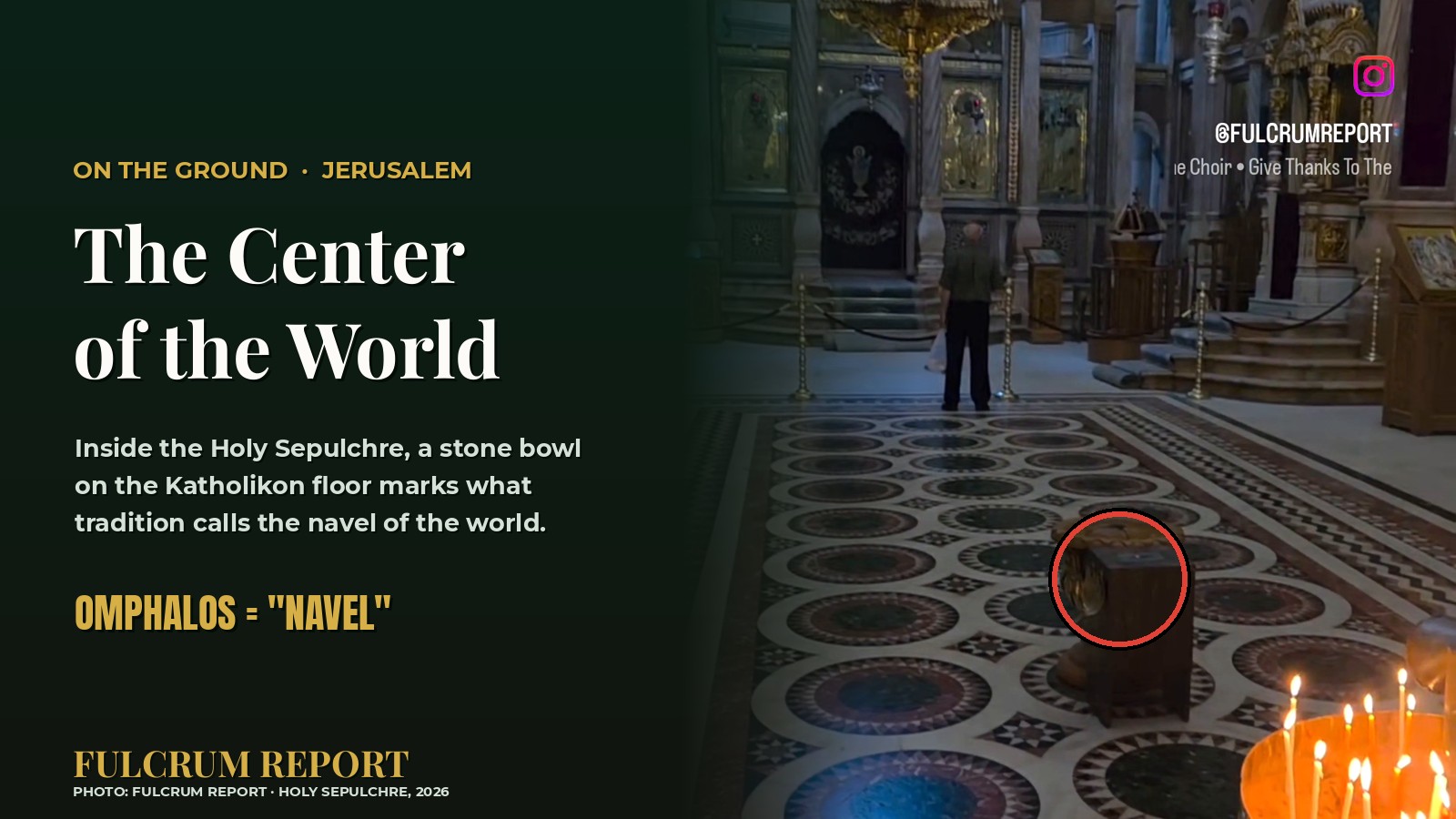
The Center of the World Is on a Church Floor
Most visitors walk past the Omphalos in Jerusalem's Church of the Holy Sepulchre. Here's what it is, why Jerusalem was drawn at the center of medieval maps, and why you should look up.
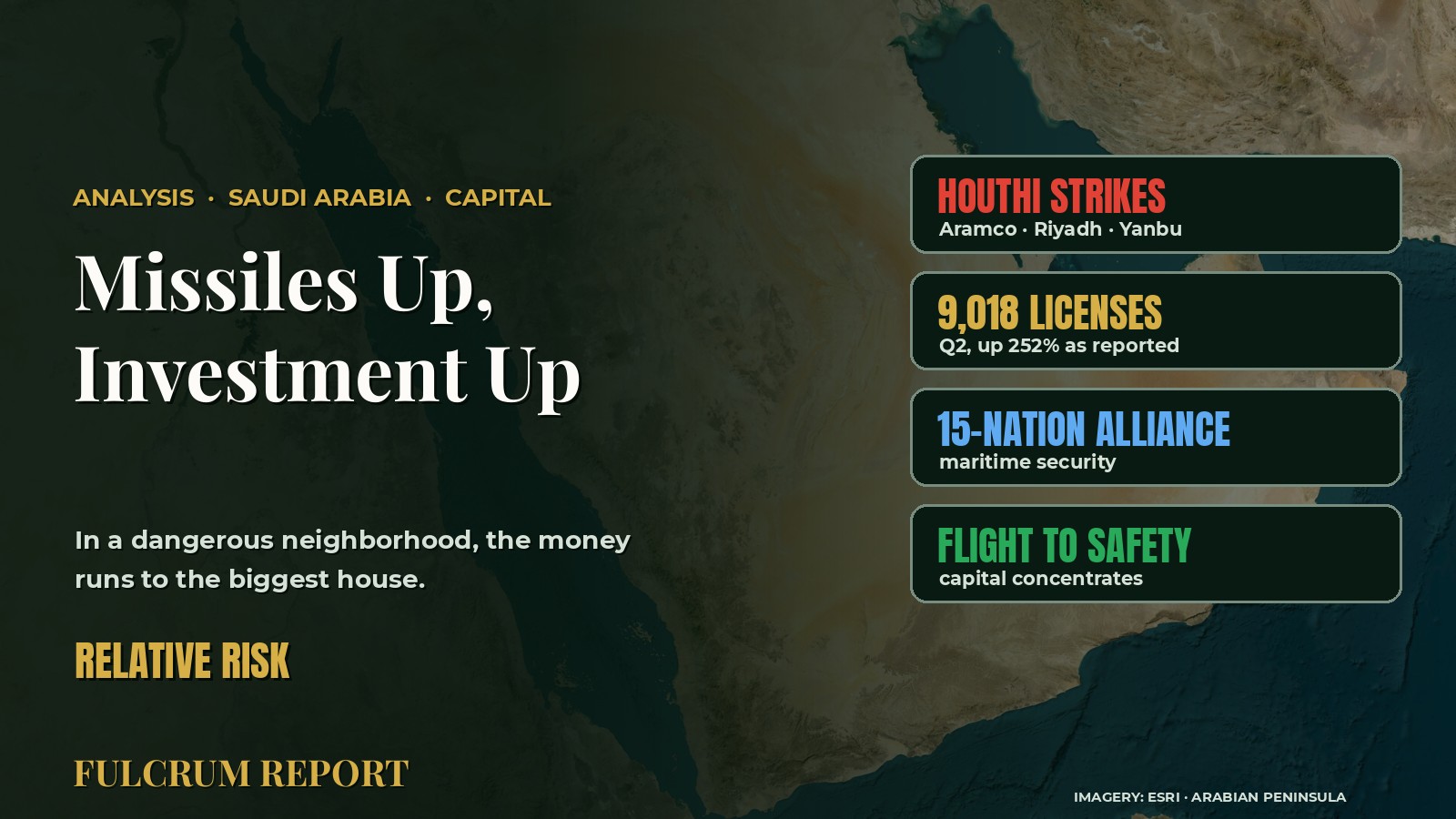
Missiles Up, Investment Up
Saudi Arabia issued 9,018 investment licenses in Q2, up 252% as reported, despite strikes on Aramco, Riyadh and Yanbu. Relative risk and flight to safety explain why, and where the logic breaks.
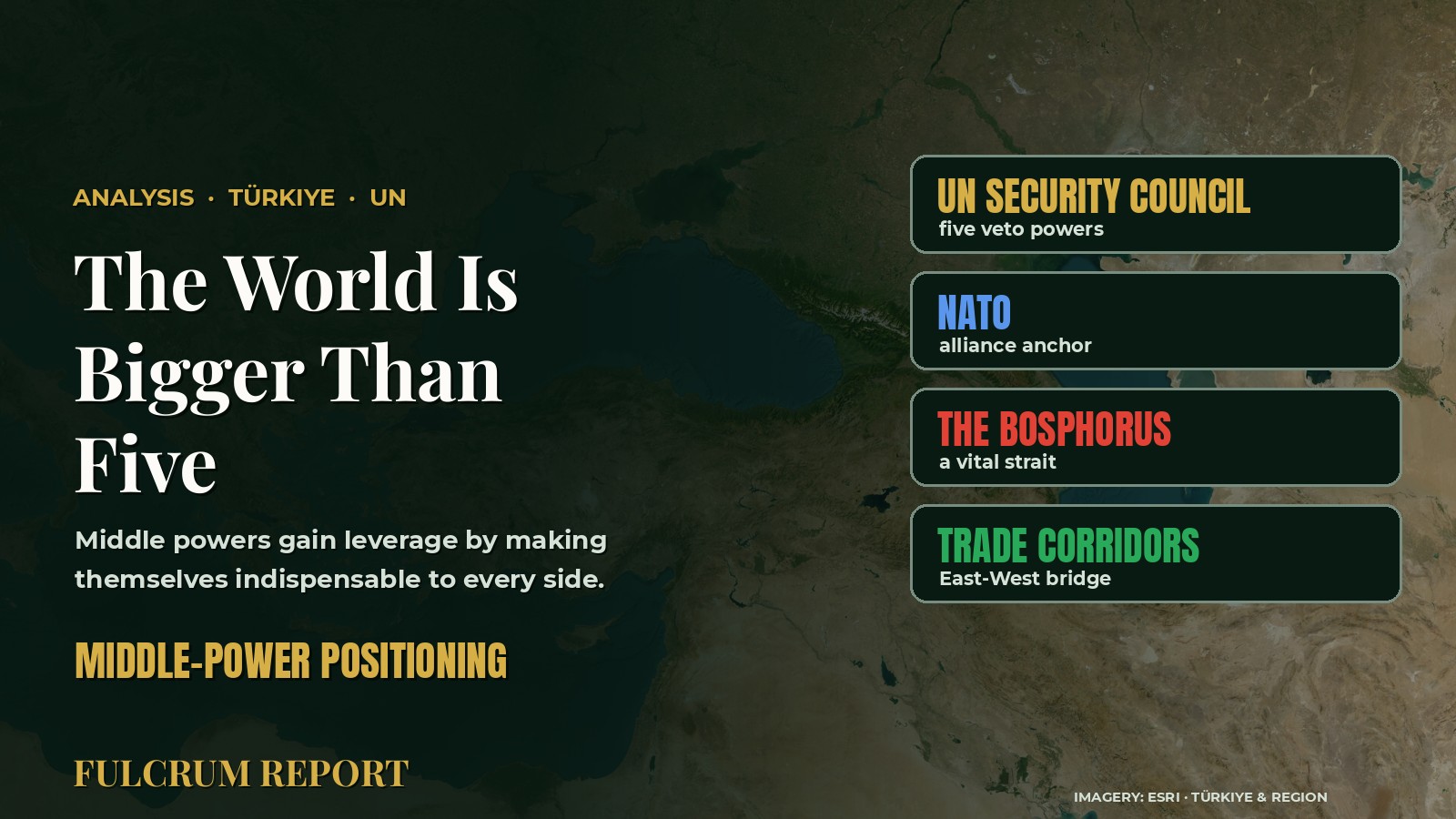
The World Is Bigger Than Five
Erdoğan again called for ending the UN Security Council veto. NATO member, Mecca pact signatory, East-West trade bridge: middle-power theory explains how Turkey turns access into influence, and where that strategy gets harder.
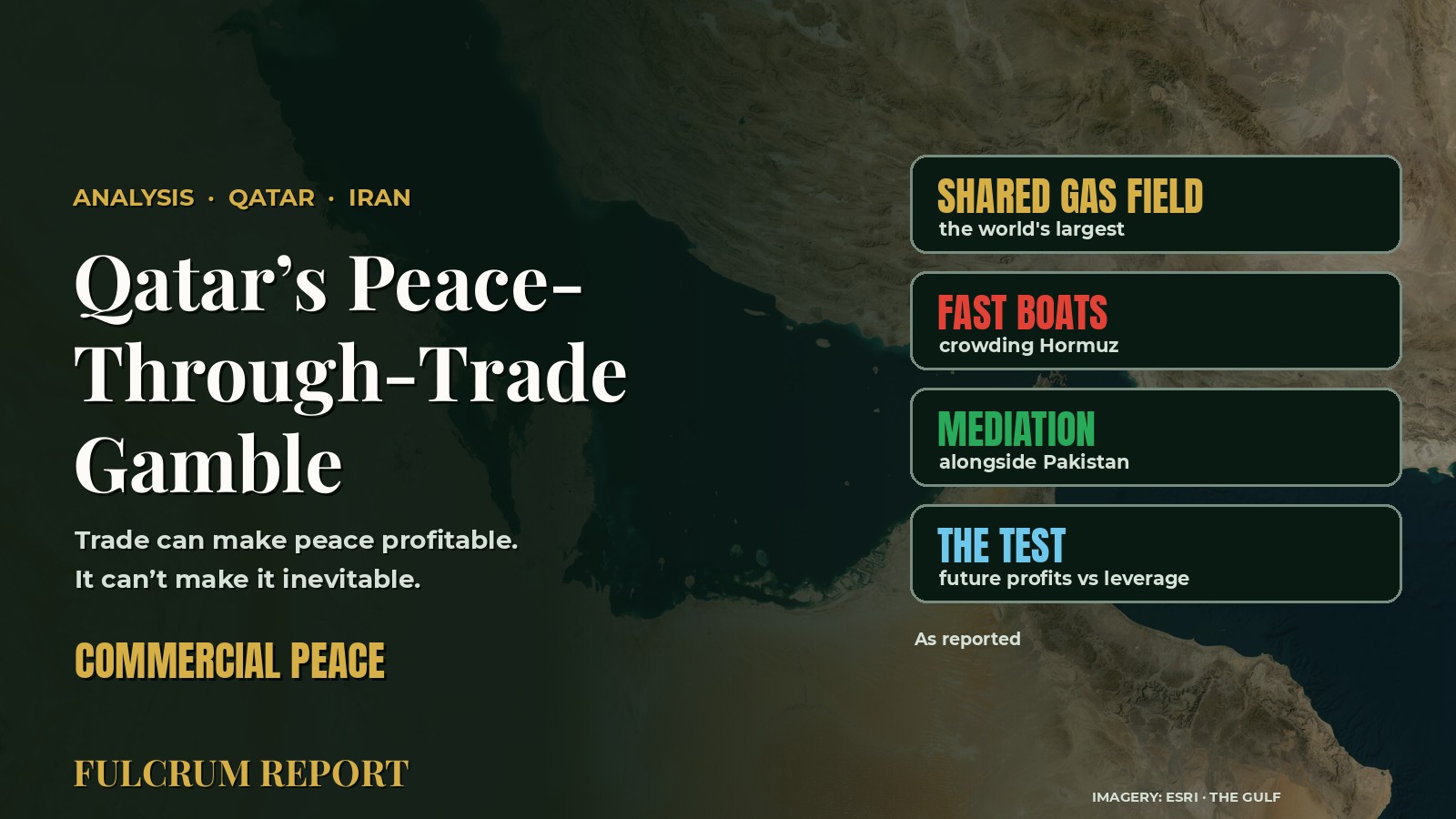
Qatar’s Peace-Through-Trade Gamble
Qatar and Iran share the world’s largest gas field. Doha wants to bind Iran’s economy so tightly to the Gulf that disrupting it costs too much. Commercial peace theory explains the bet, and its limits.
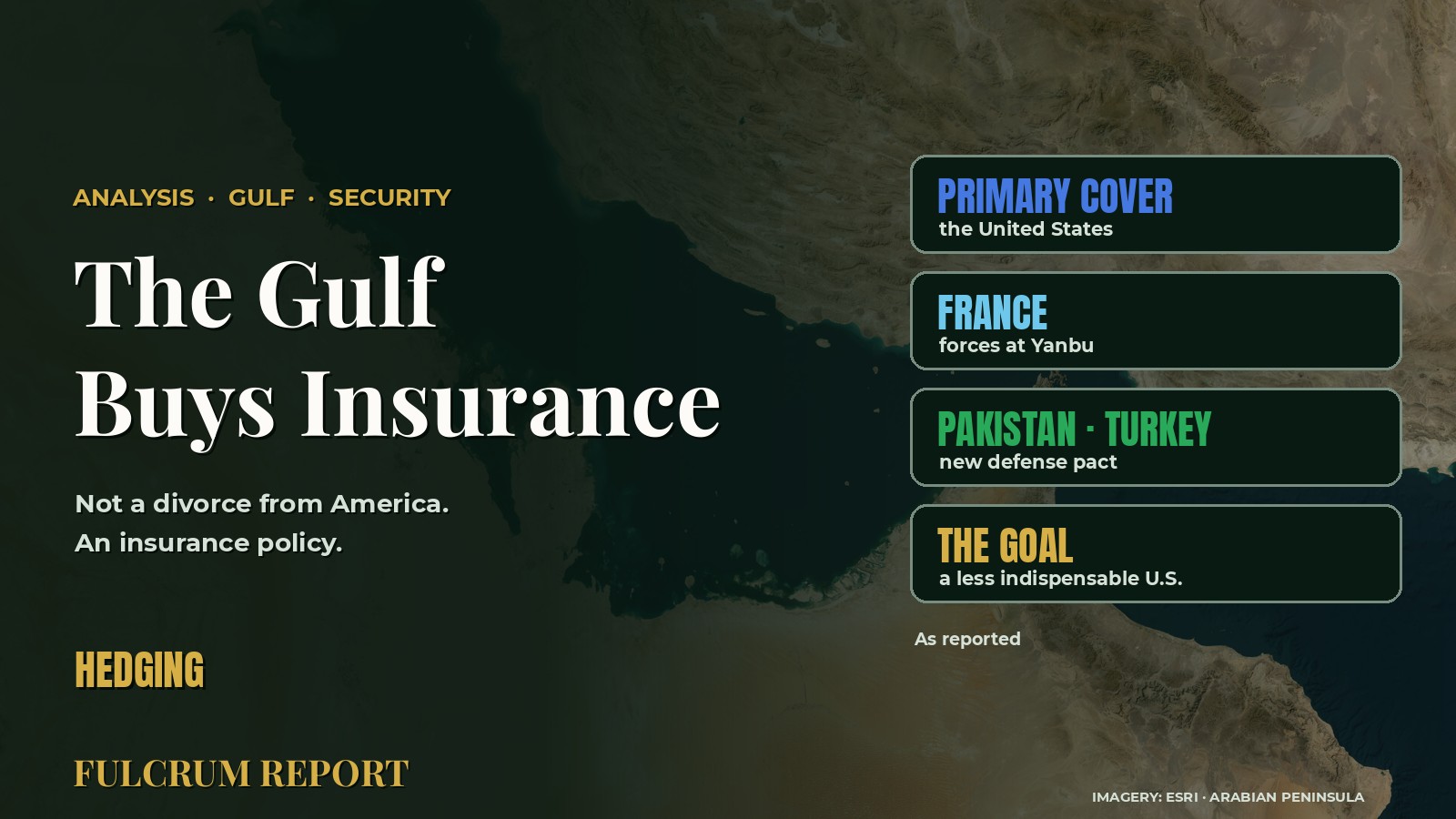
The Gulf Buys Insurance
France has deployed forces to protect Saudi Arabia’s Yanbu oil hub, Pakistan and Turkey are tied to Riyadh through a new defense pact, and Gulf voices say security can no longer rest on Washington alone. Hedging explains why.
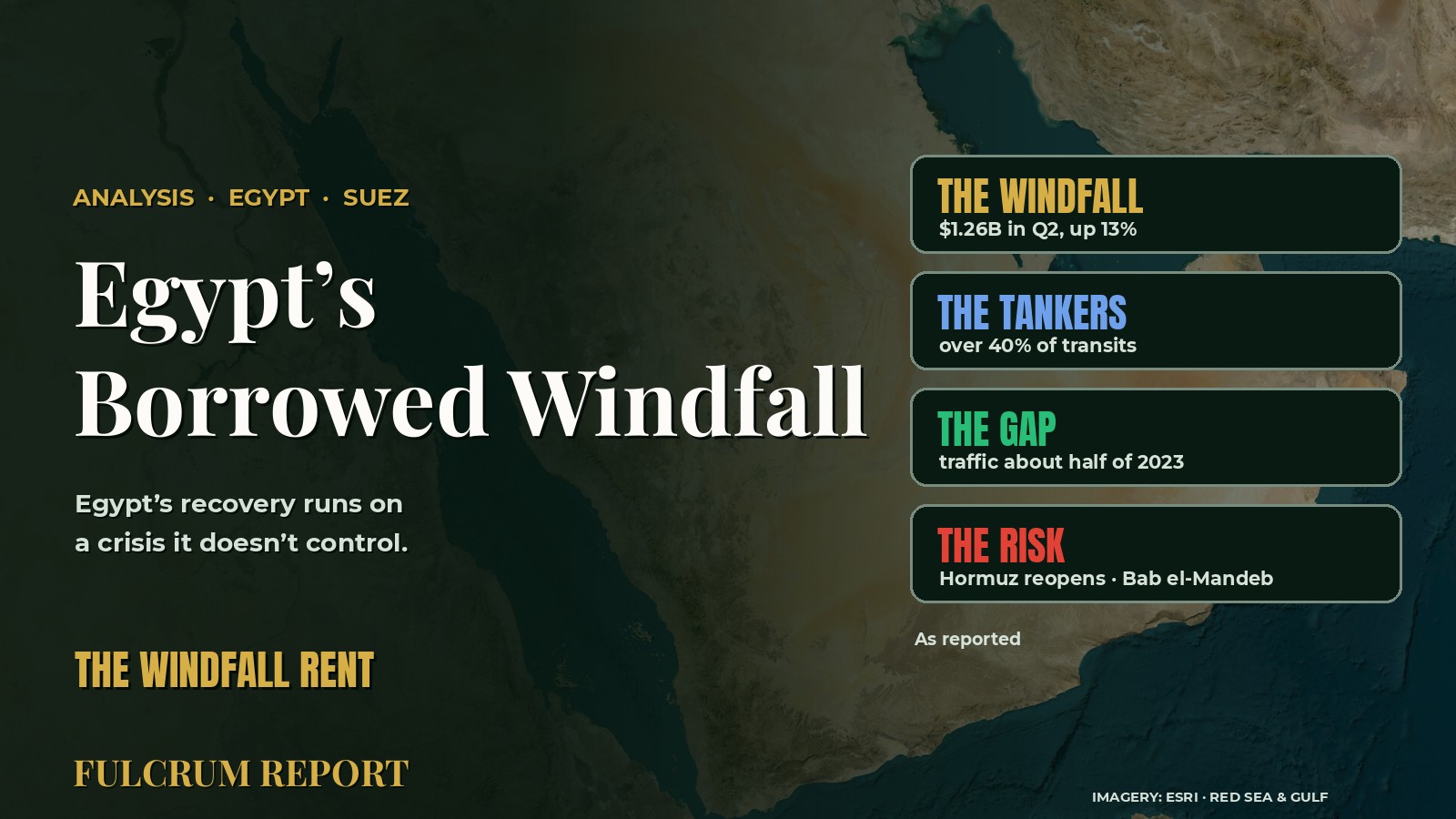
Egypt’s Borrowed Windfall
Suez Canal revenue hit $1.26 billion in the second quarter, up 13%, as tankers detour around the Hormuz crisis. Rentier state theory explains why this borrowed windfall is a risky thing to build a recovery on.
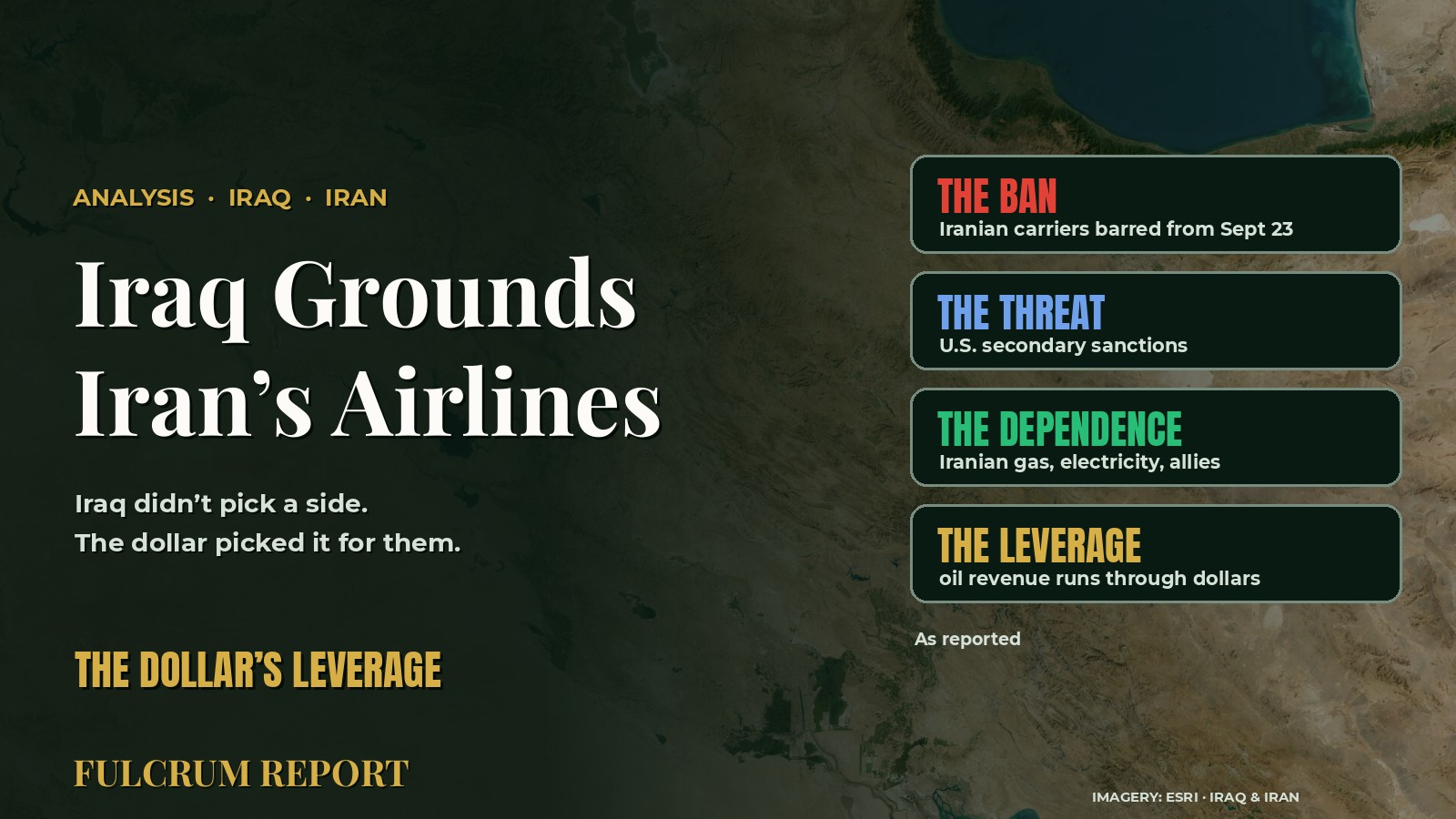
Iraq Grounds Iran’s Airlines
Iraq depends on Iranian gas, electricity and political allies, yet it grounded Iranian airlines from September 23. Why secondary sanctions and asymmetric interdependence made the decision for it.
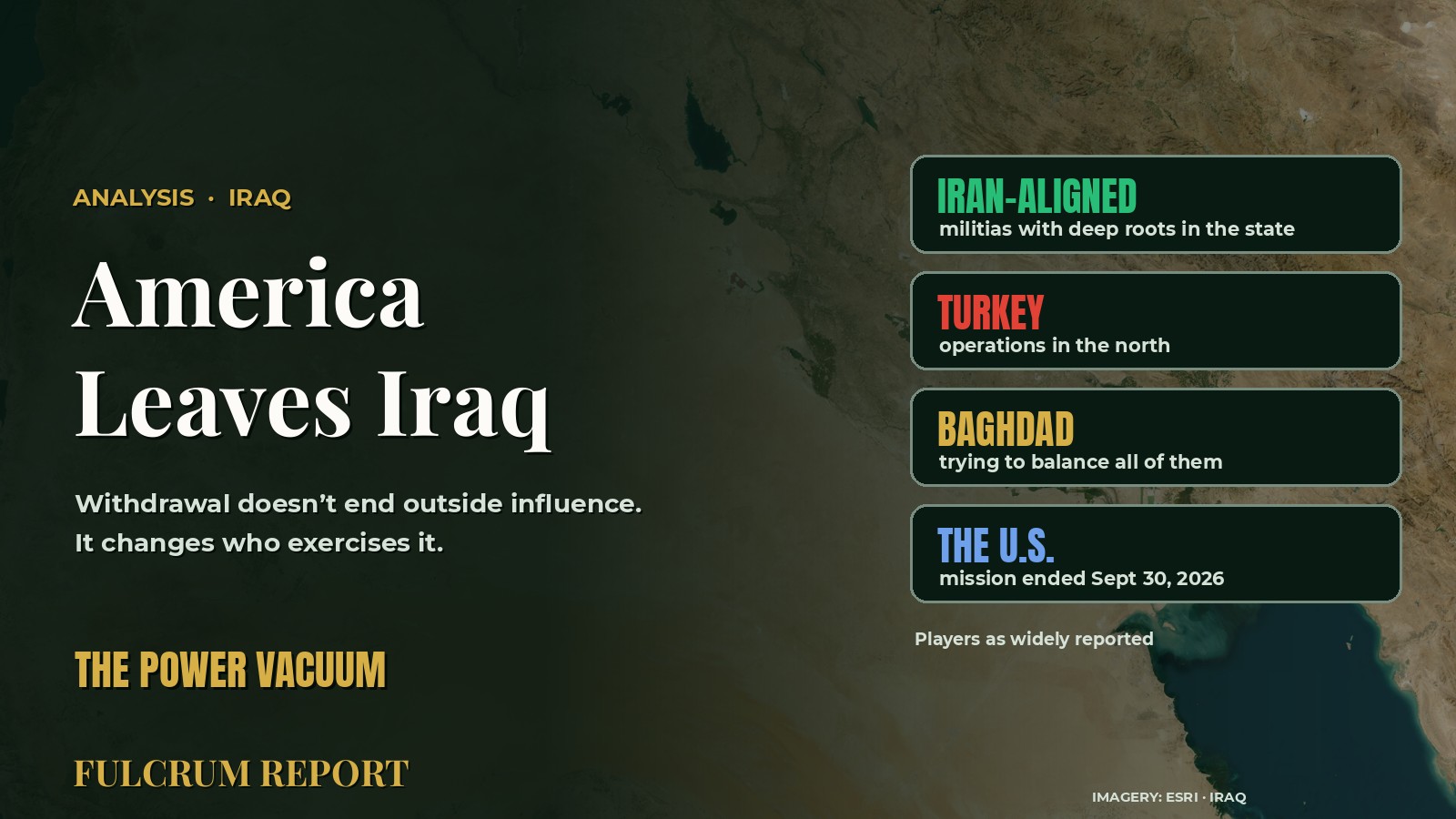
America Leaves Iraq
Air defenses are leaving Kurdistan, the militia disarmament deadline has slipped and drones are still flying. Why withdrawal changes who exercises influence in Iraq rather than ending it.
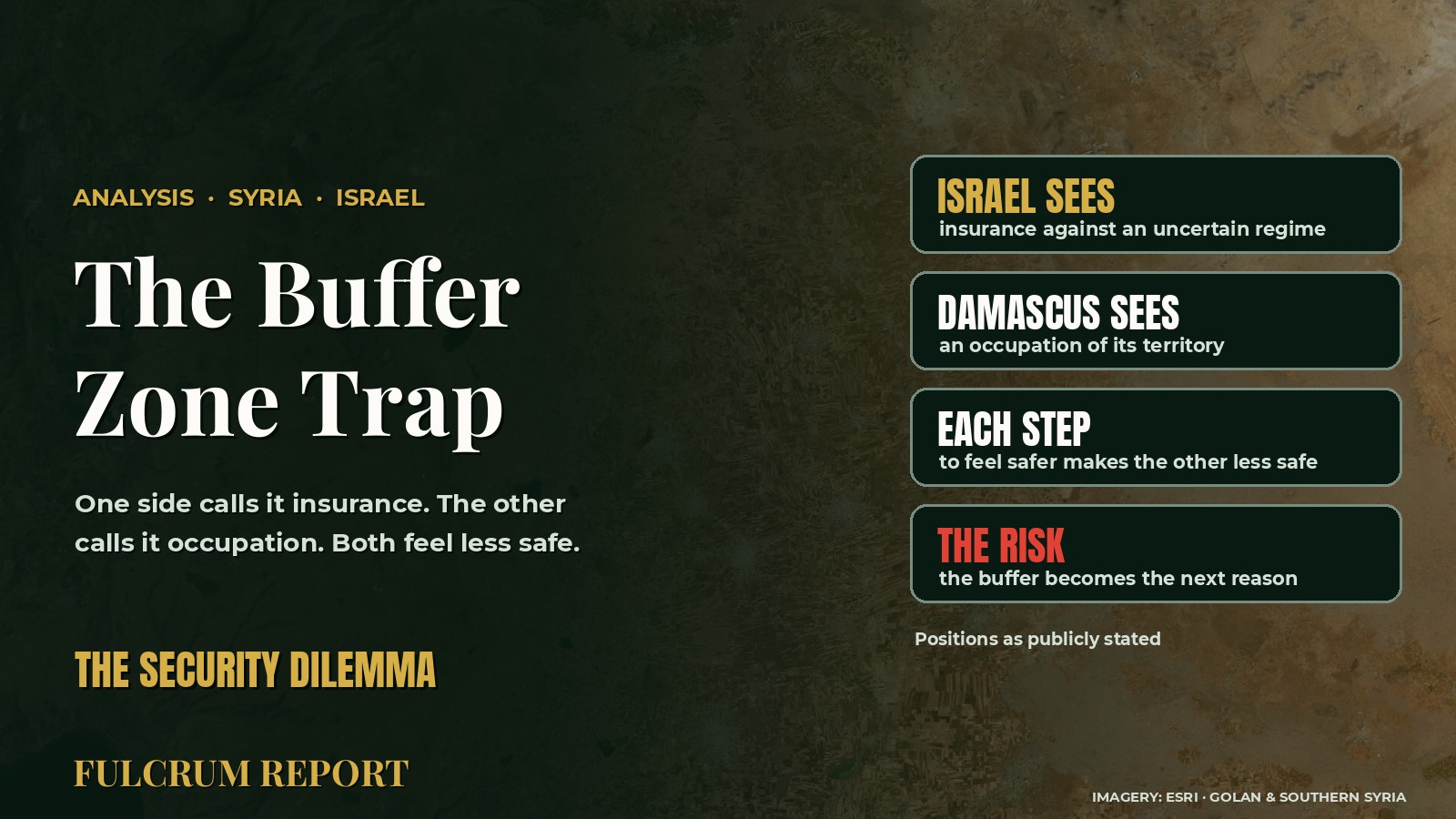
The Buffer Zone Trap
Israeli incursions are reported to be continuing in Quneitra and Daraa even as Damascus courts investors. Why a buffer built for safety can become the next reason for conflict.
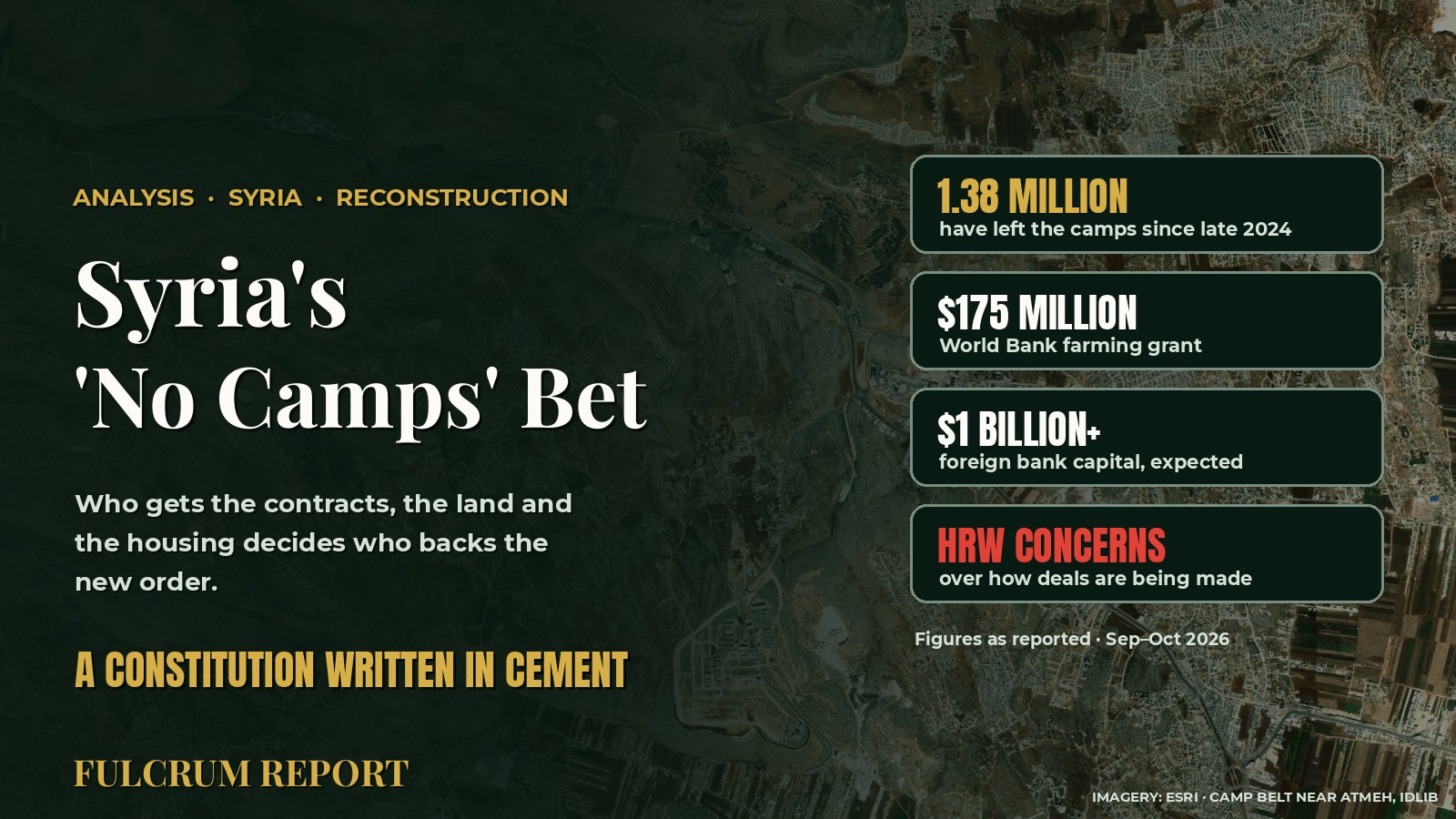
Syria's 'No Camps' Bet
1.38 million Syrians have reportedly left displacement camps since late 2024. As reconstruction money arrives, the real question is who it rebuilds the country for.
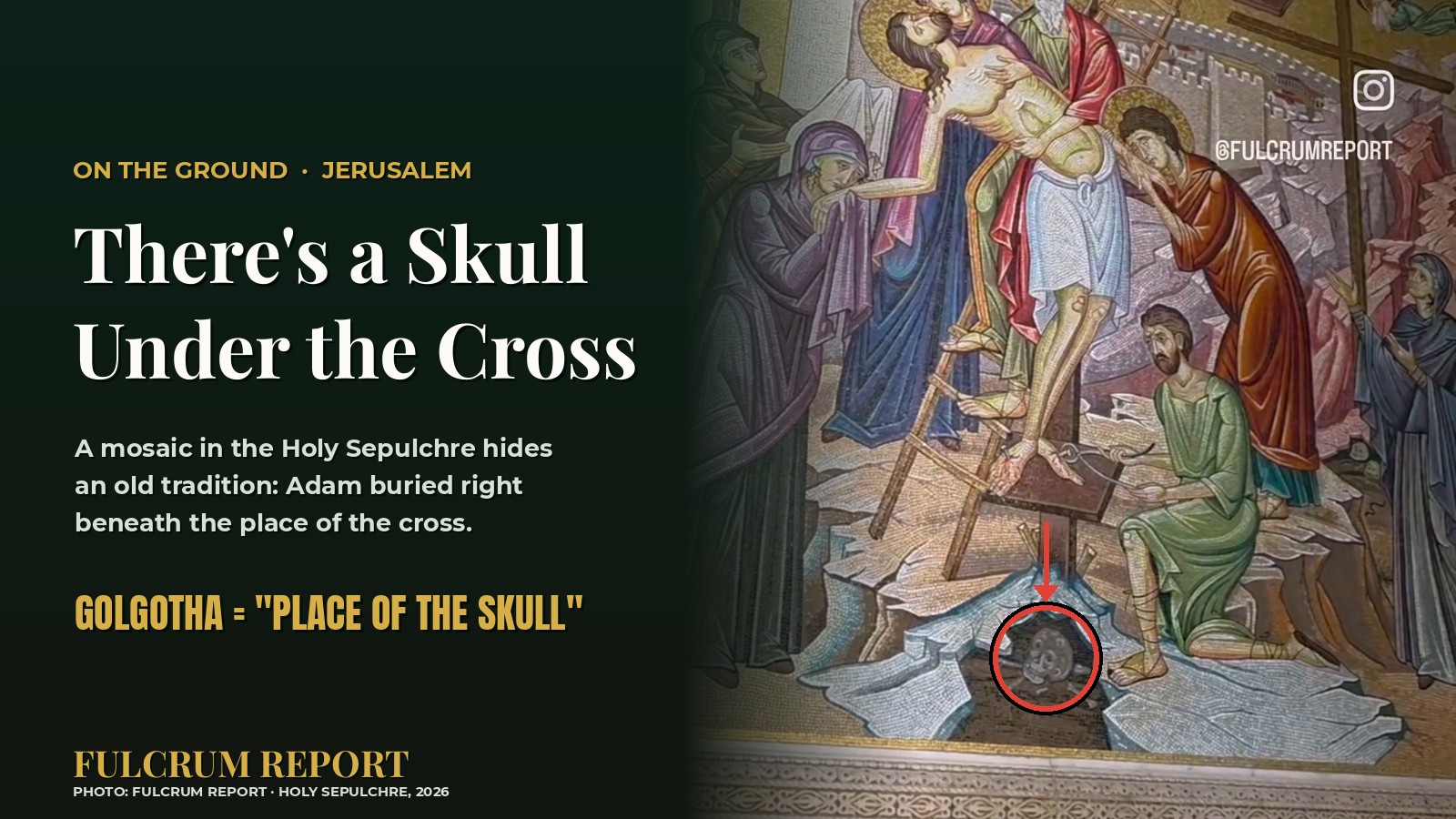
There's a Skull Under the Cross
In the mosaic behind the Stone of Anointing in Jerusalem, a skull sits in the rock beneath the cross. Tradition says it is Adam's, and the church itself is built around the idea.
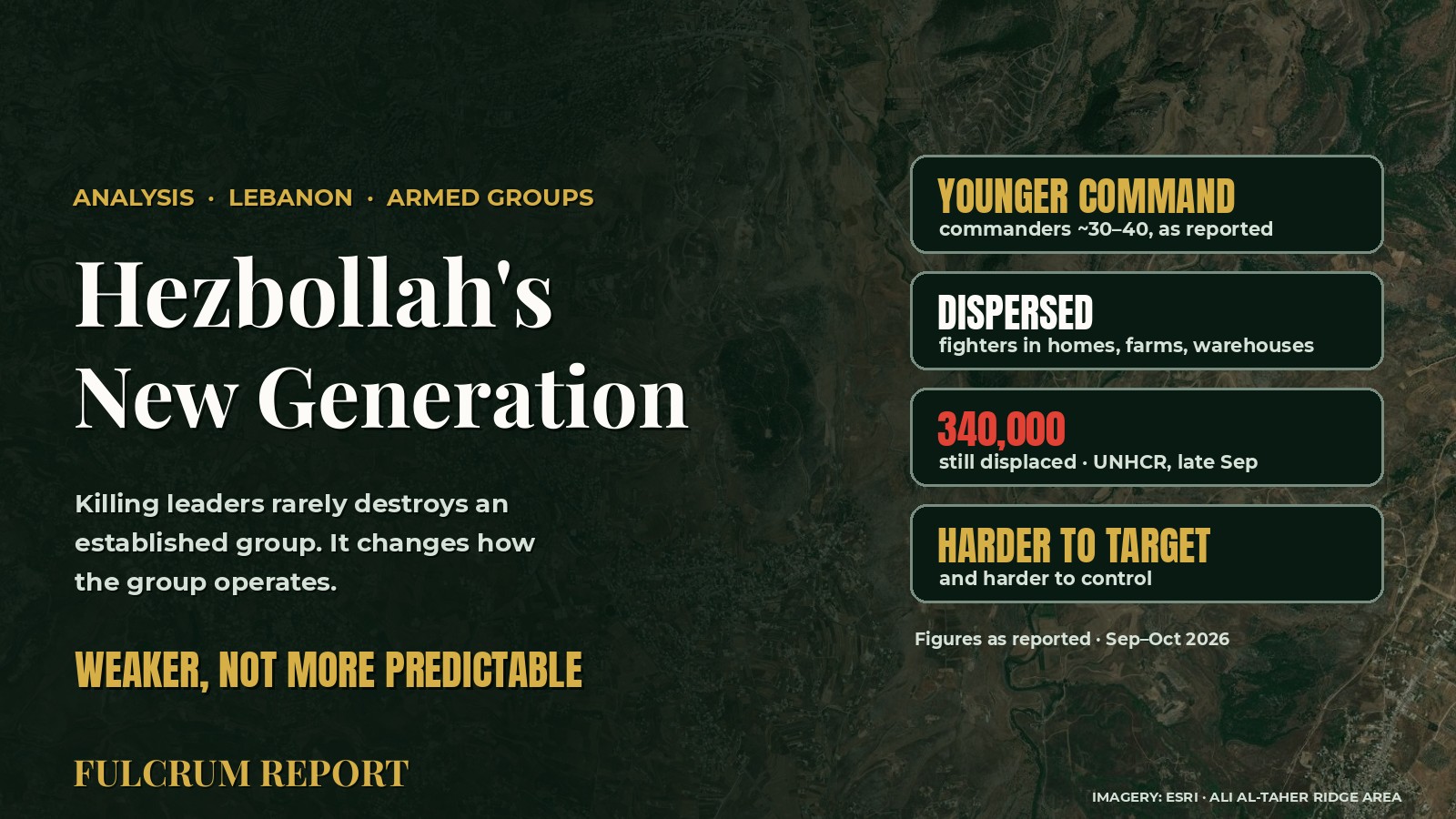
Hezbollah's New Generation
Hezbollah has reportedly promoted younger commanders and dispersed its fighters after heavy losses. Research on leadership decapitation suggests that means adaptation, not collapse, and a network that is harder to target and harder to control.
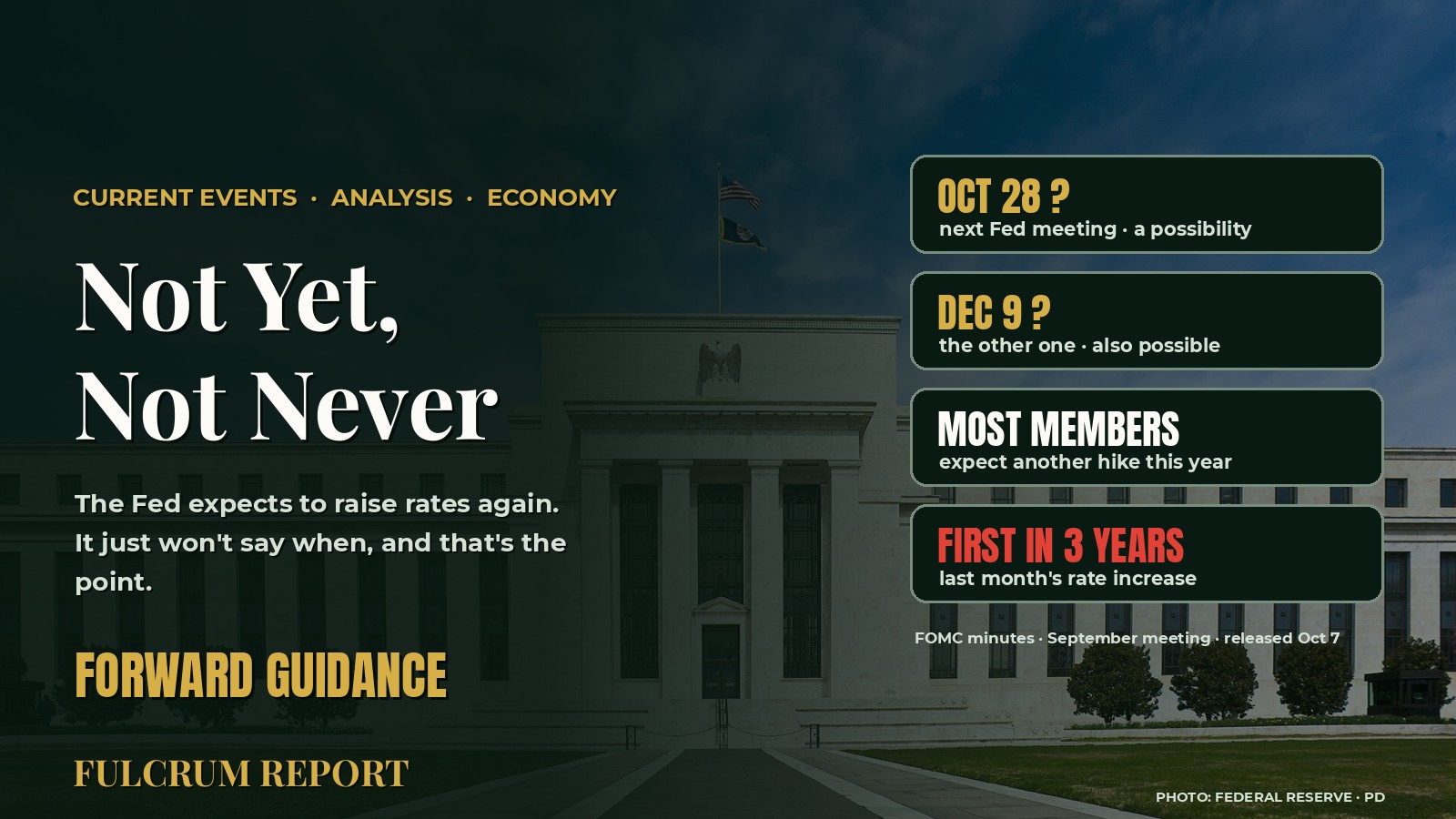
Not Yet, Not Never
Minutes from the Fed's September meeting show most members expect another rate hike this year, but no date. Oct. 28 and Dec. 9 are both possible. Here's why forward guidance works this way.
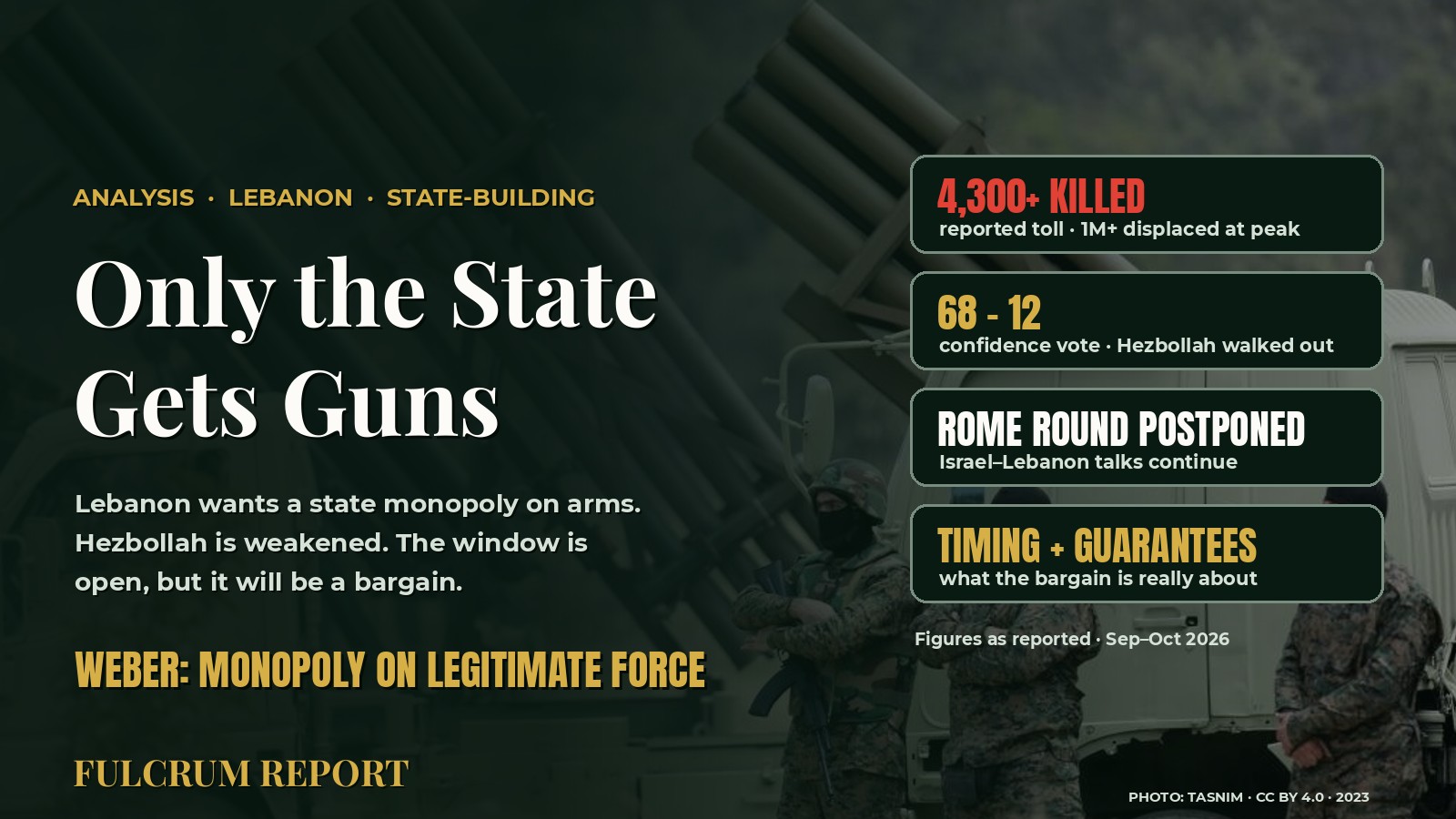
Only the State Gets Guns
After a war that killed more than 4,300 people, President Aoun and Prime Minister Salam are pushing Hezbollah toward a state monopoly on arms. The government survived a confidence vote, talks with Israel continue, and the real question is timing and guarantees.
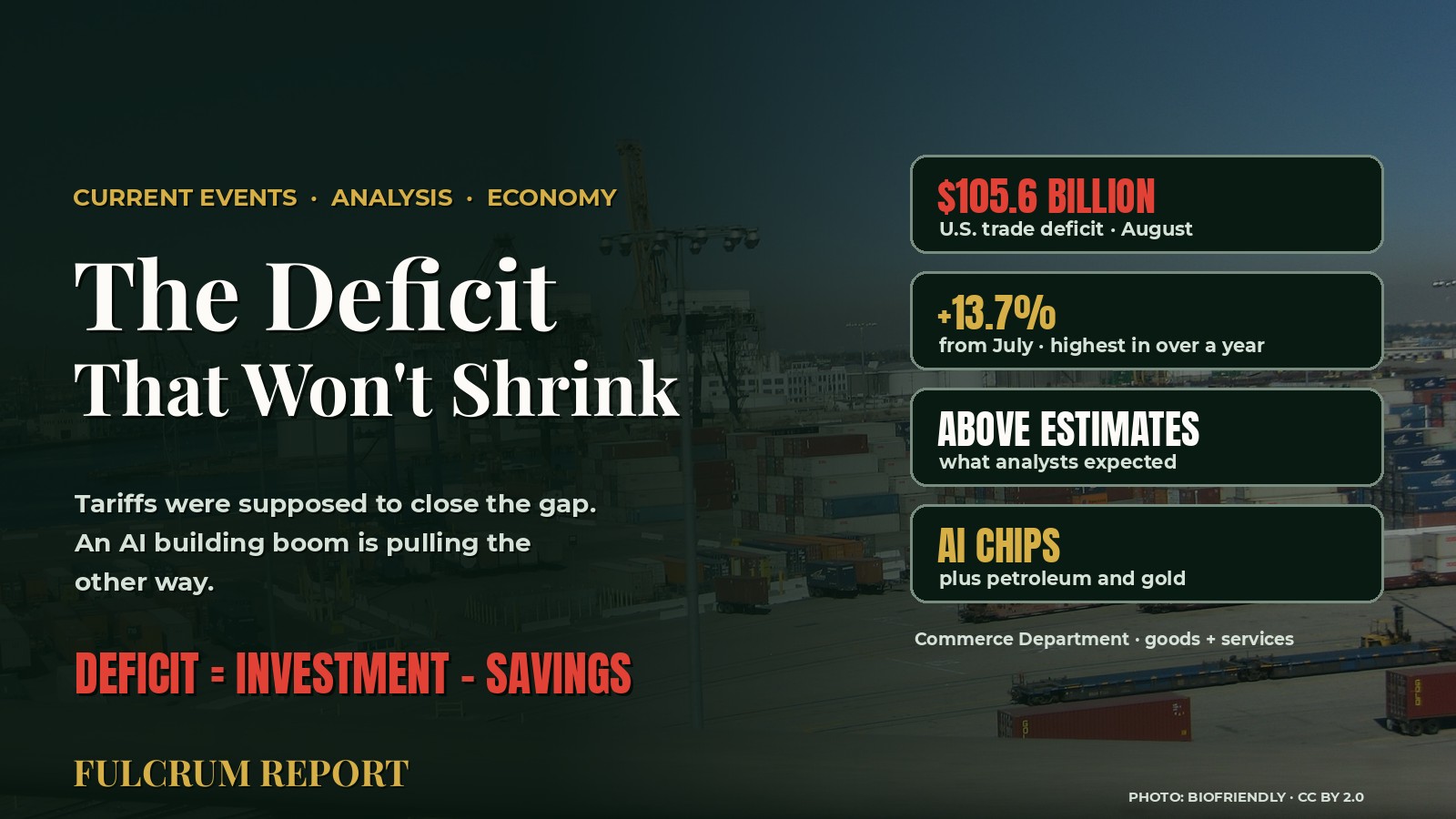
The Deficit That Won't Shrink
The U.S. trade deficit jumped 13.7% in August to $105.6 billion despite the "Liberation Day" tariffs. AI chips, petroleum and gold are flowing in, and the savings–investment identity explains why.
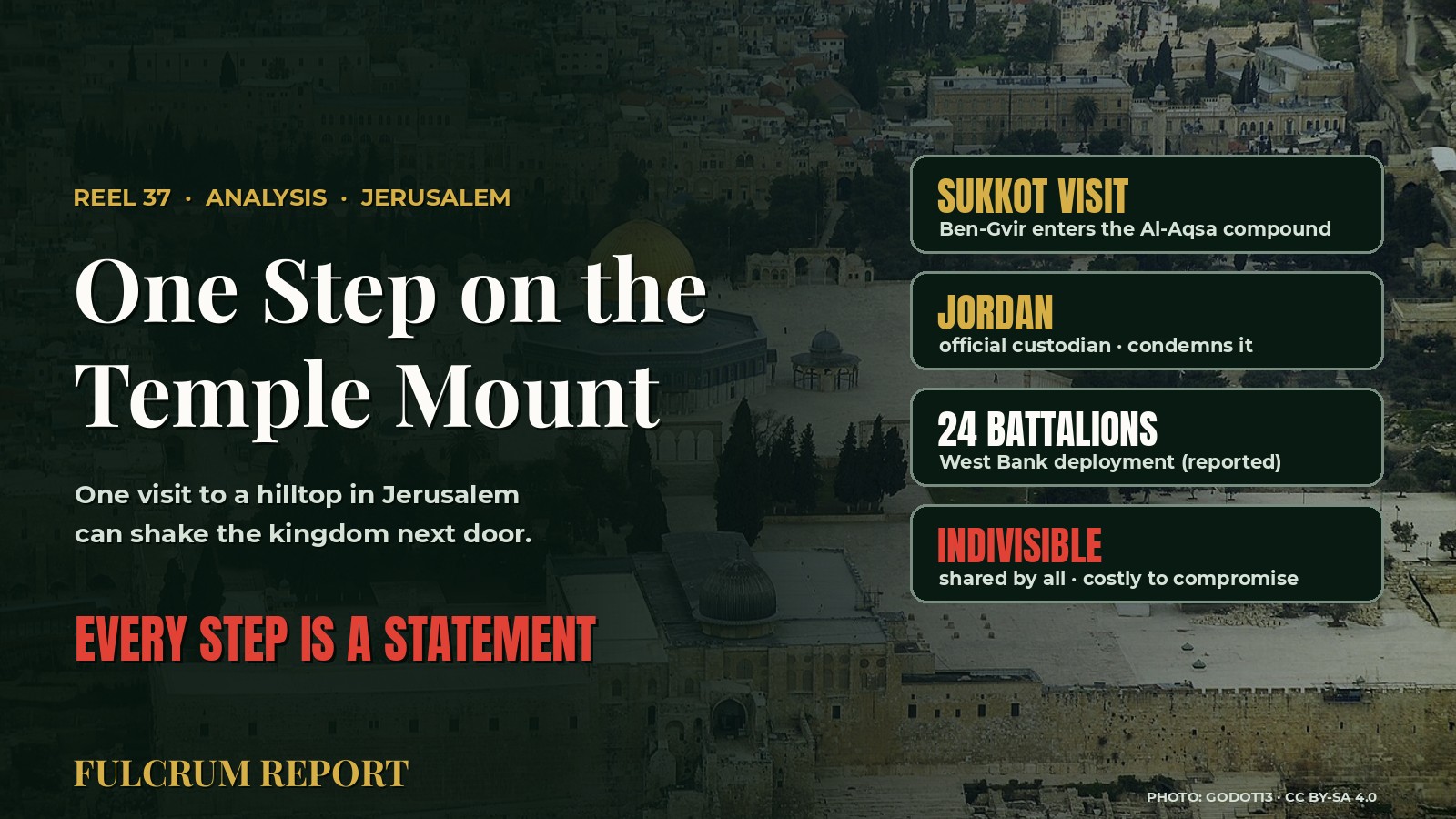
One Step on the Temple Mount
Ben-Gvir at Al-Aqsa, Jordan as custodian, 24 battalions in the West Bank, and why indivisible sacred places make compromise so costly.
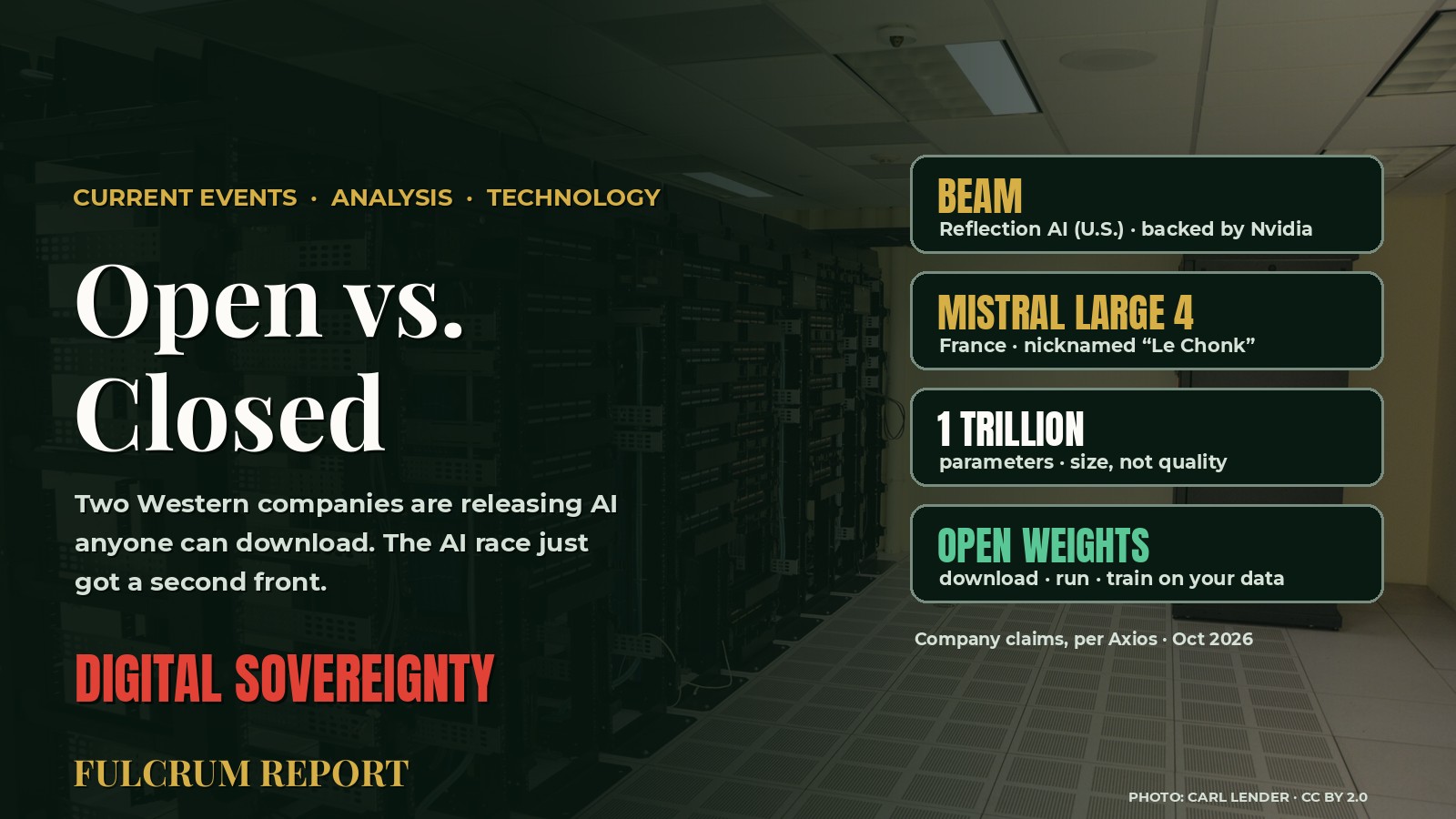
Open vs. Closed
Beam, Le Chonk, and the rise of Western open-weight AI: what open weights are, why governments want digital sovereignty, and the security catch.
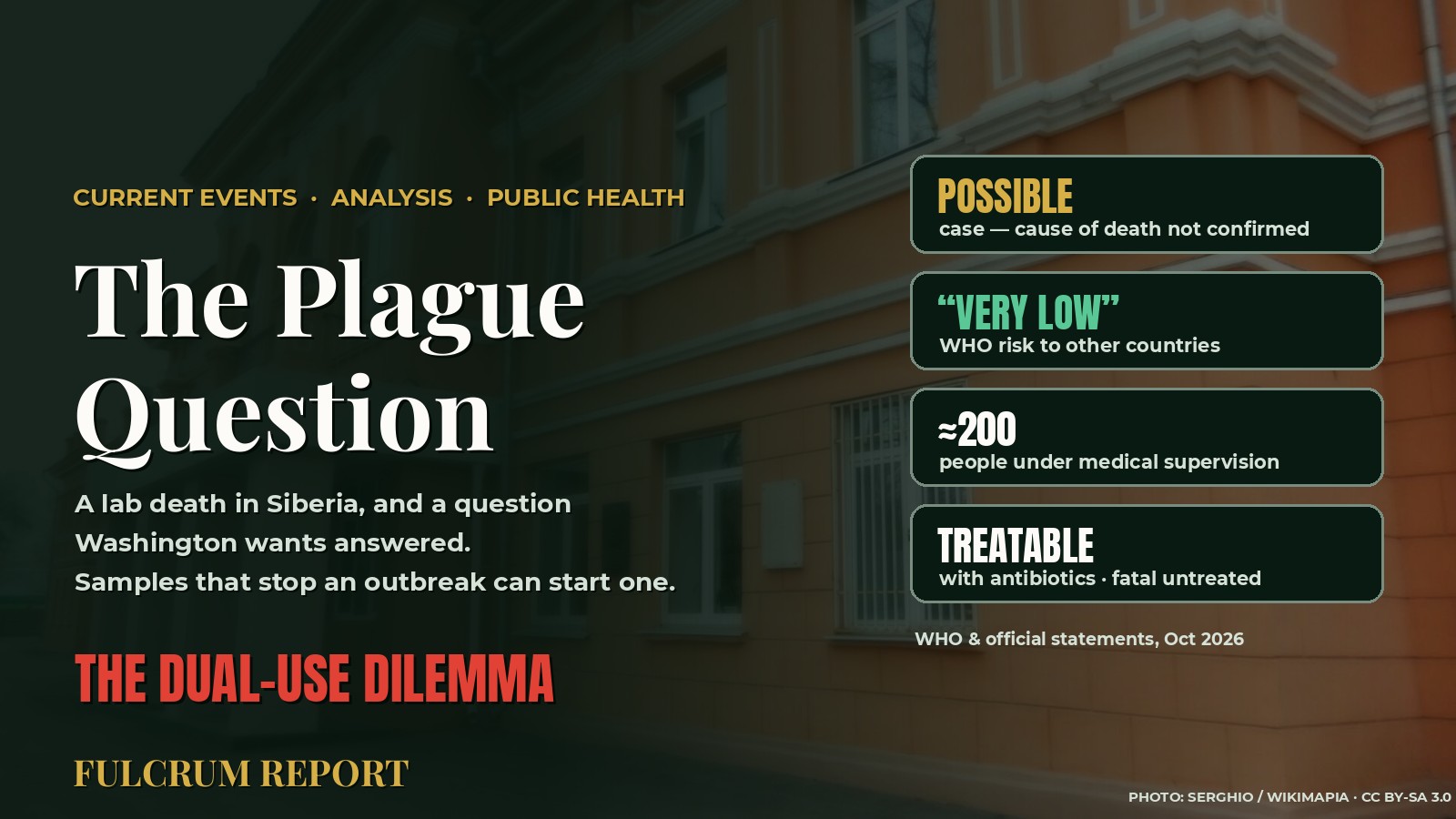
The Plague Question
A possible plague case in Siberia, an official denial, and the trade-off at the heart of biosecurity: the same samples that stop an outbreak could start one.
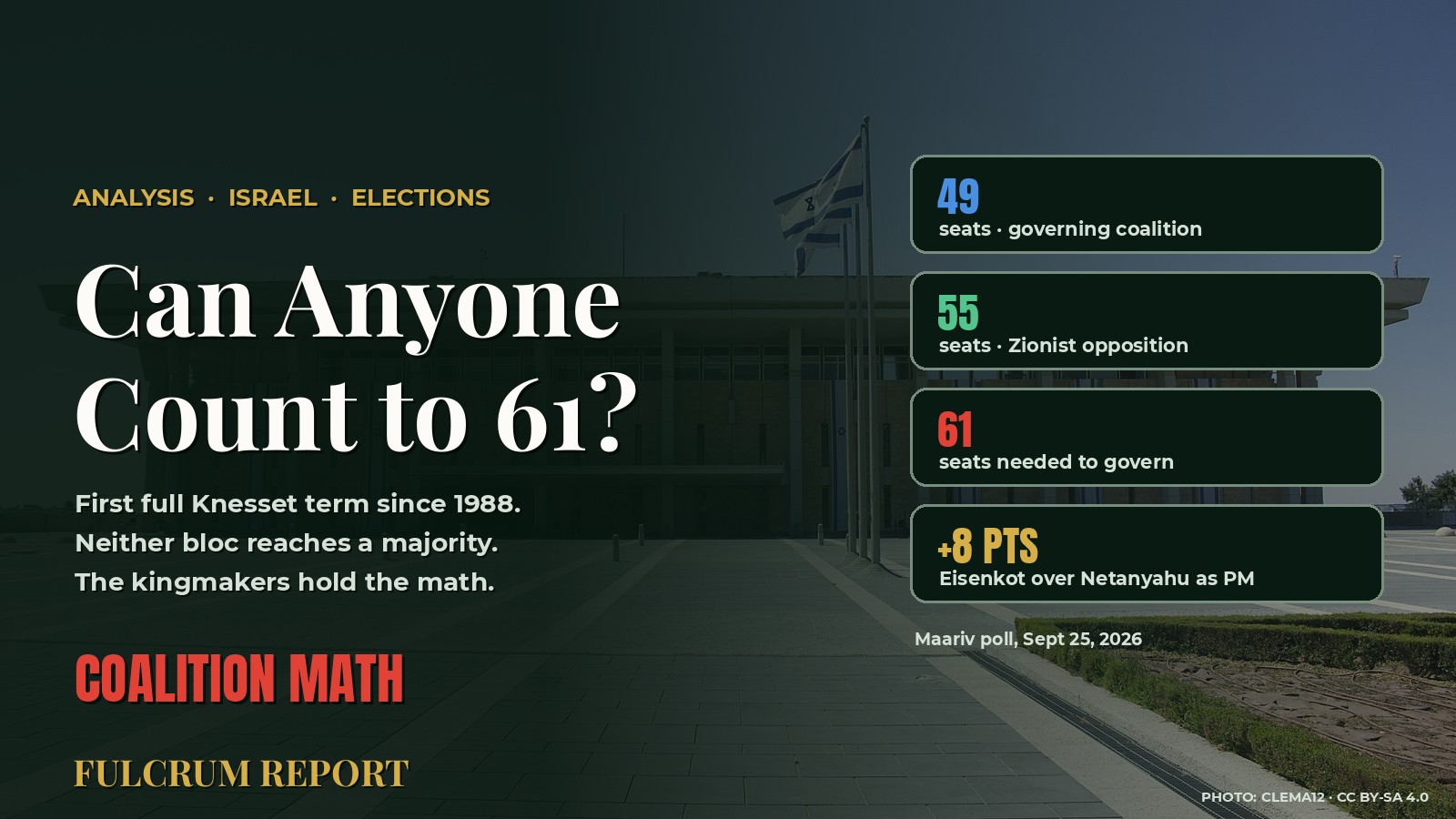
Can Anyone Count to 61?
Israel's first full-term Knesset since 1988 heads to an election where neither bloc reaches a majority. Why the kingmakers, not the polls, decide what comes next.
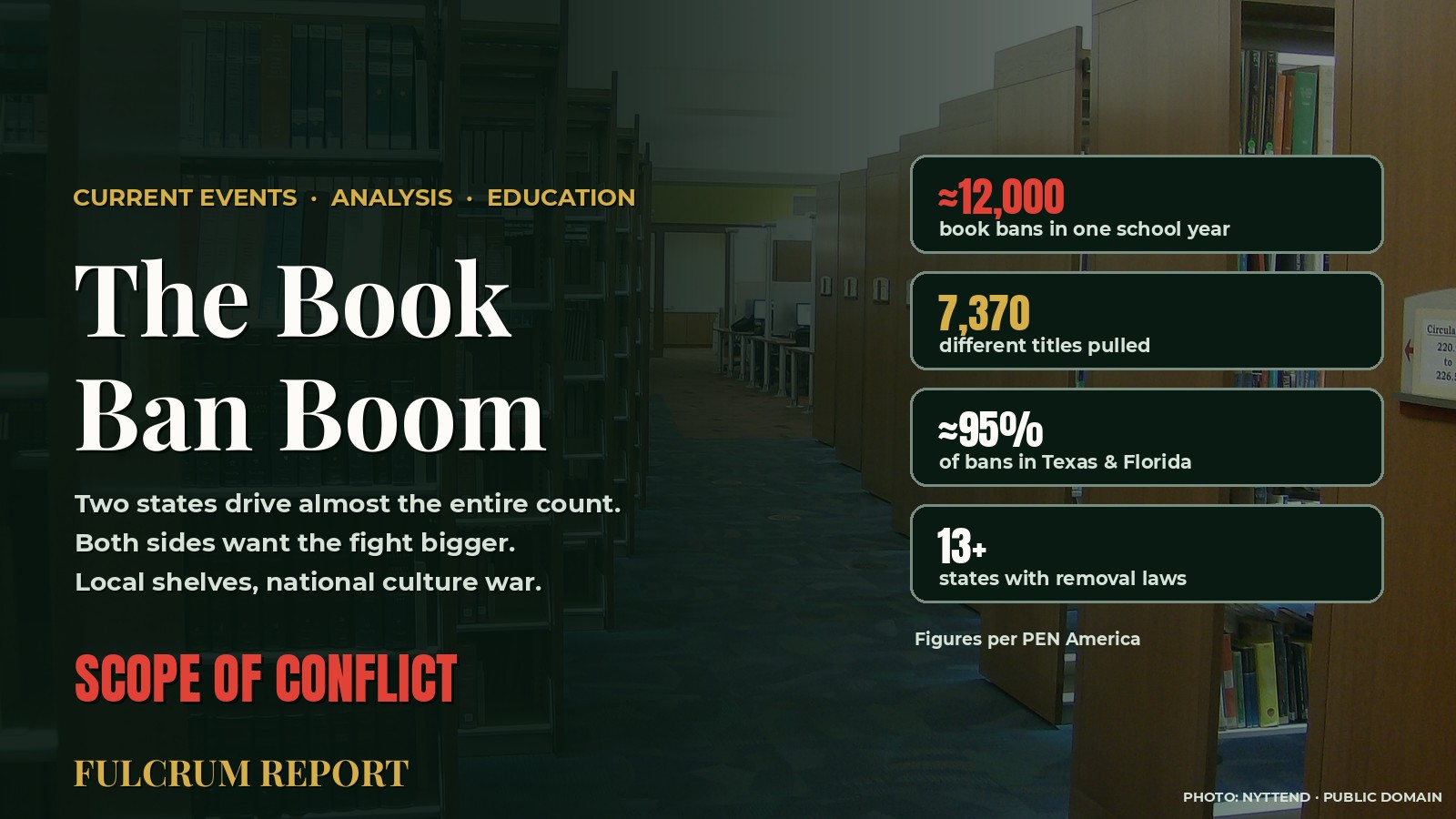
The Book Ban Boom
A record year for school book bans turns out to be mostly the story of two states. Why both sides still want the fight to be bigger.
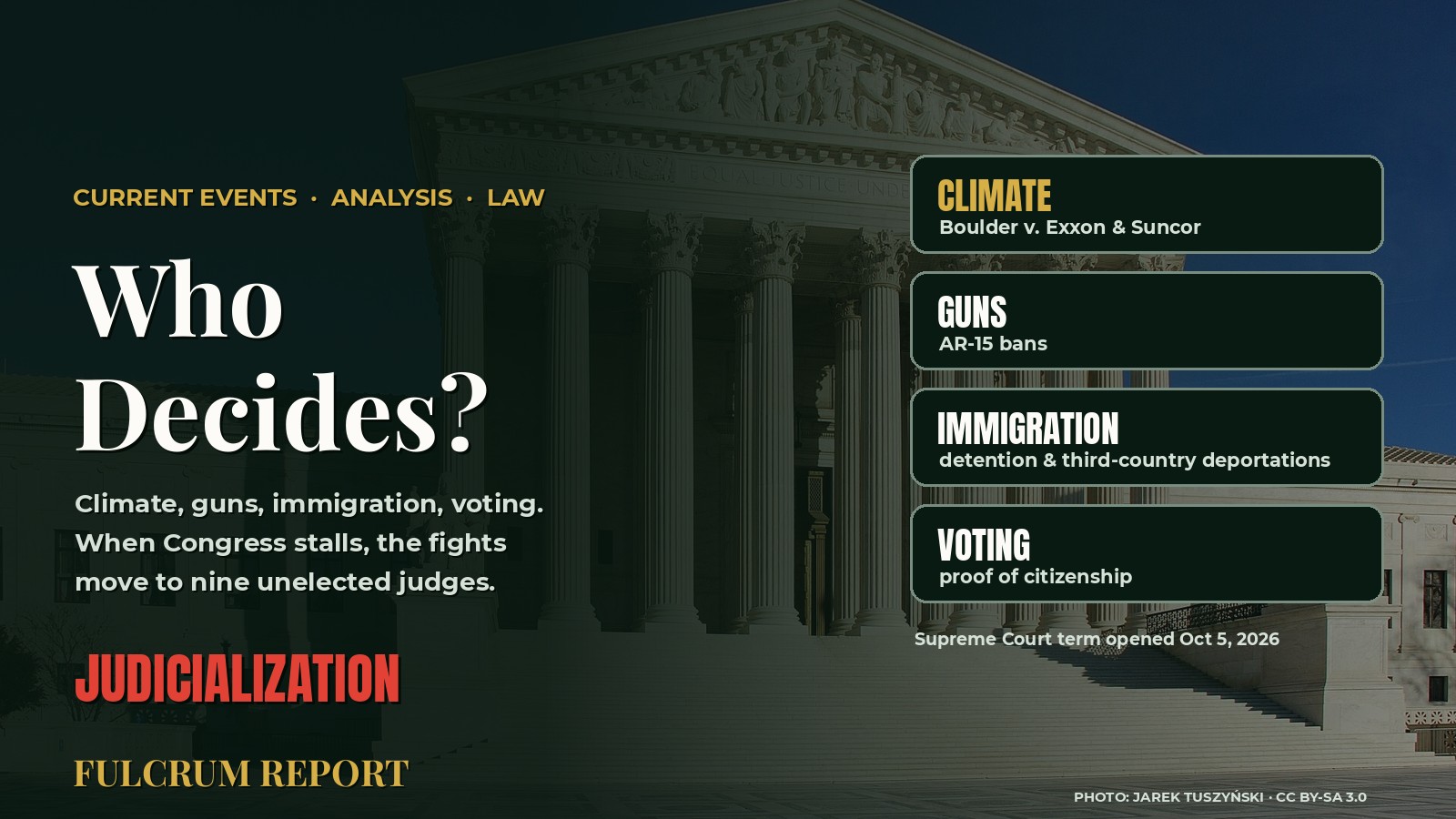
Who Decides?
Can oil companies be sued over climate change? Boulder's case opens a Supreme Court term that shows how fights Congress won't settle keep landing in court.
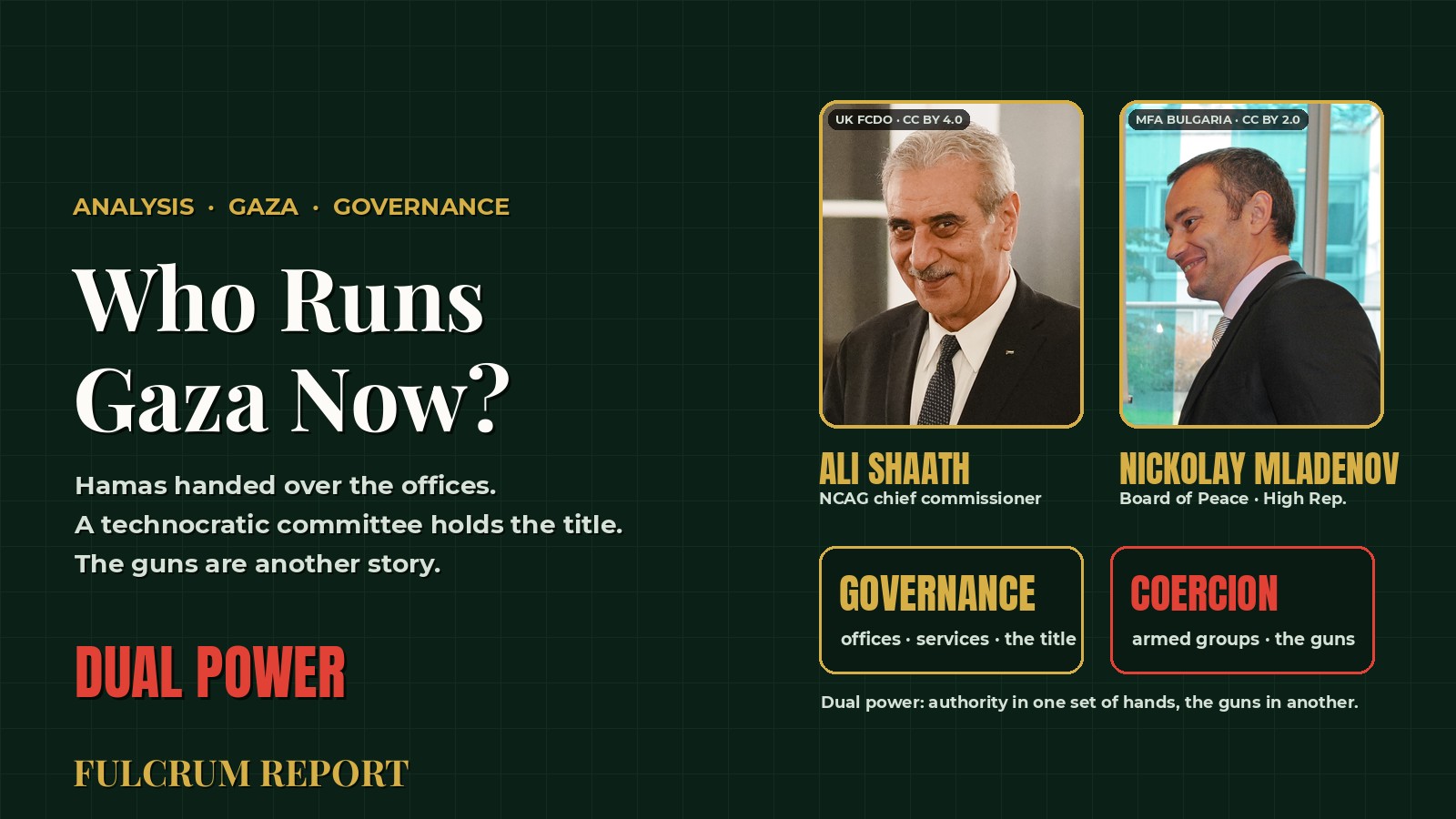
Who Runs Gaza Now?
A technocratic committee led by Ali Shaath now holds the title in Gaza, overseen by the Board of Peace. Why the gap between authority and capacity, and the old problem of dual power, matter more than the handover.
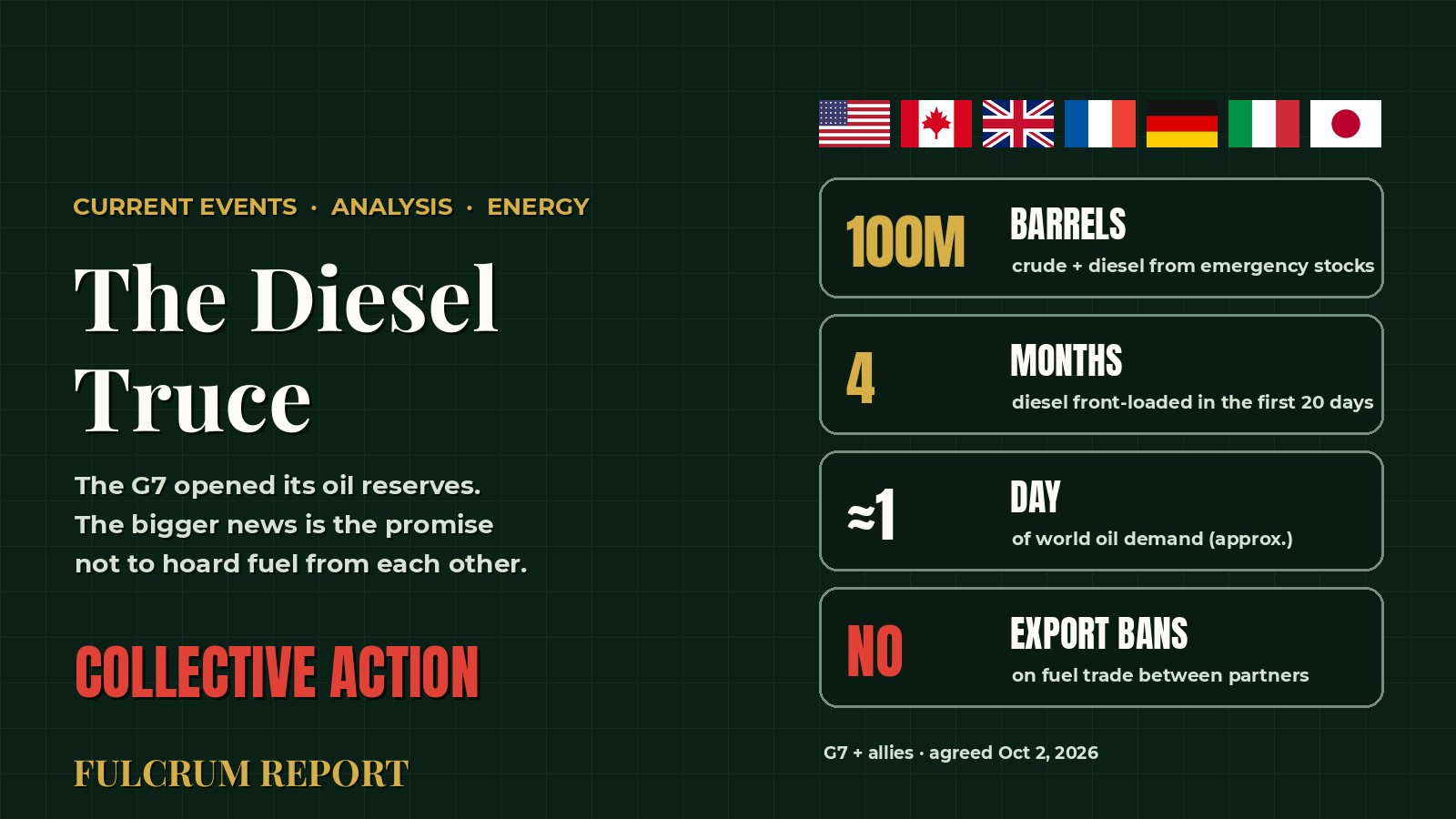
The Diesel Truce
After President Trump floated a US diesel export ban, the G7 agreed to open its reserves and keep fuel flowing between partners. Why the promise matters more than the barrels.
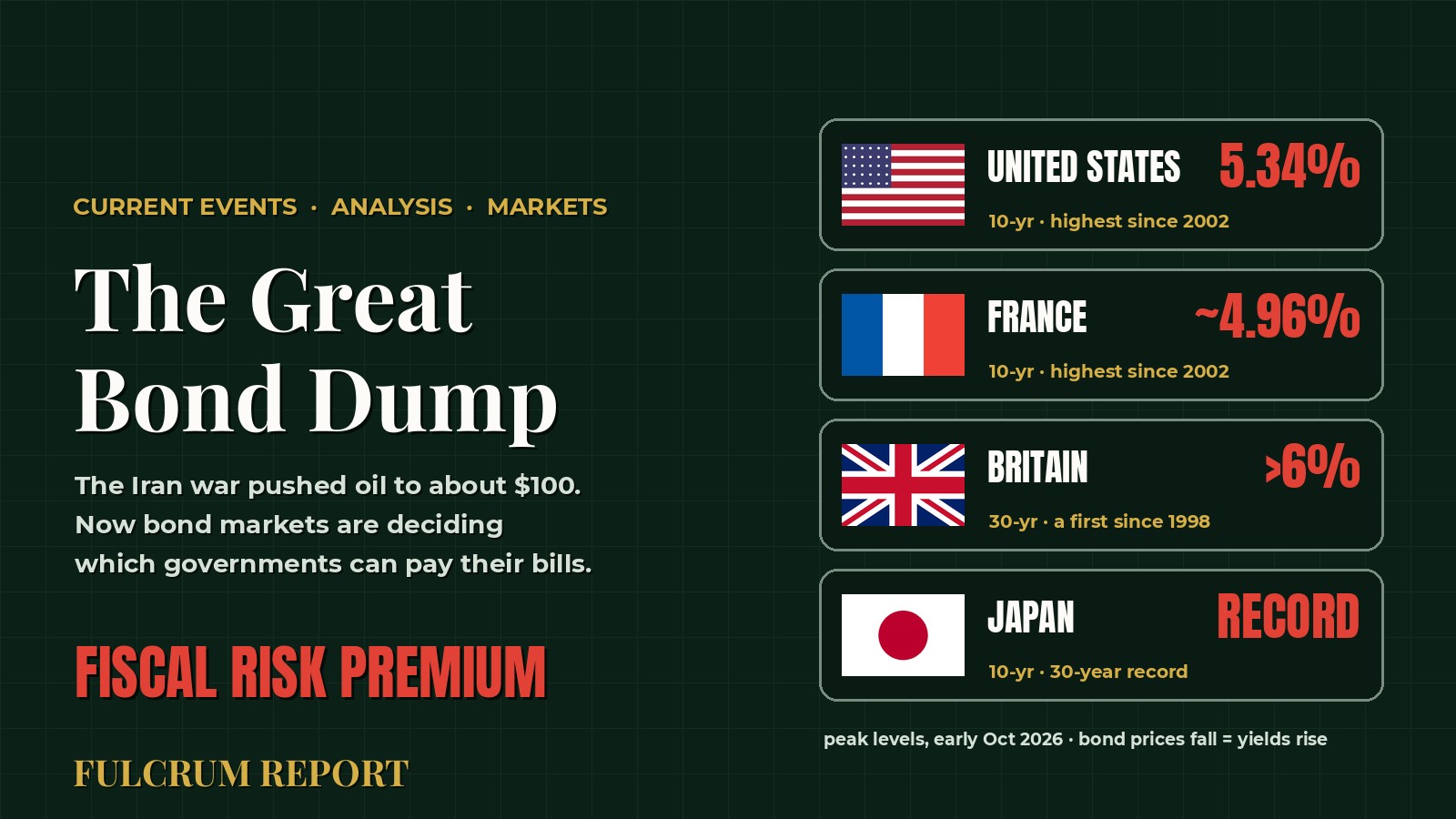
The Great Bond Dump
From Washington to Paris, London and Tokyo, borrowing costs hit multi-decade highs. Why oil started it, why France is paying more and why the US got relief.
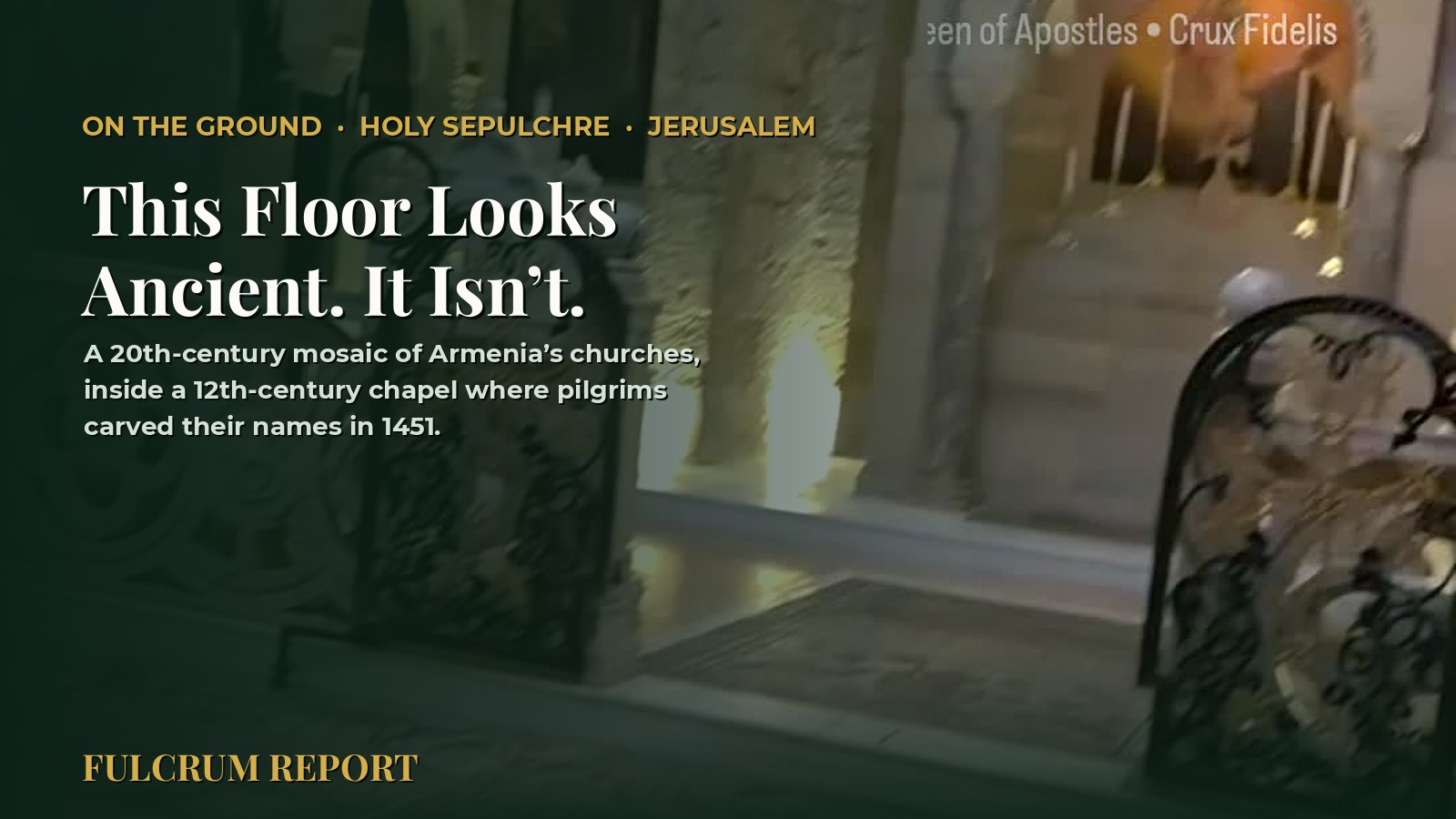
This Floor Looks Ancient. It Isn’t.
The Chapel of St. Helena, the saint Armenians honor there instead, and the oldest dated Armenian graffito on its walls.
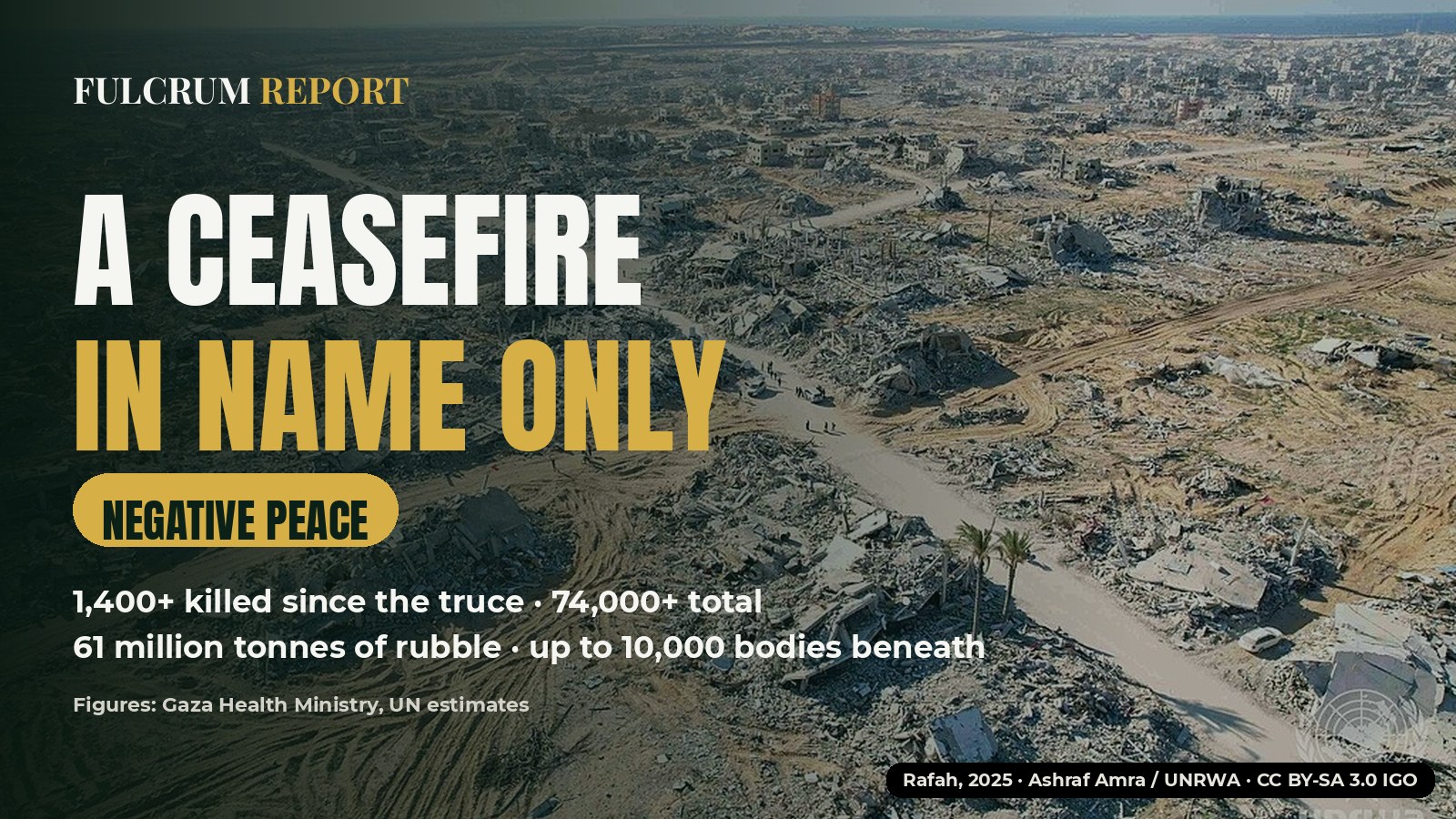
A Ceasefire in Name Only
No full-scale war, but none of the conditions for real peace. The death toll, the rubble, the aid trucks, and why ceasefires without enforcement decay.
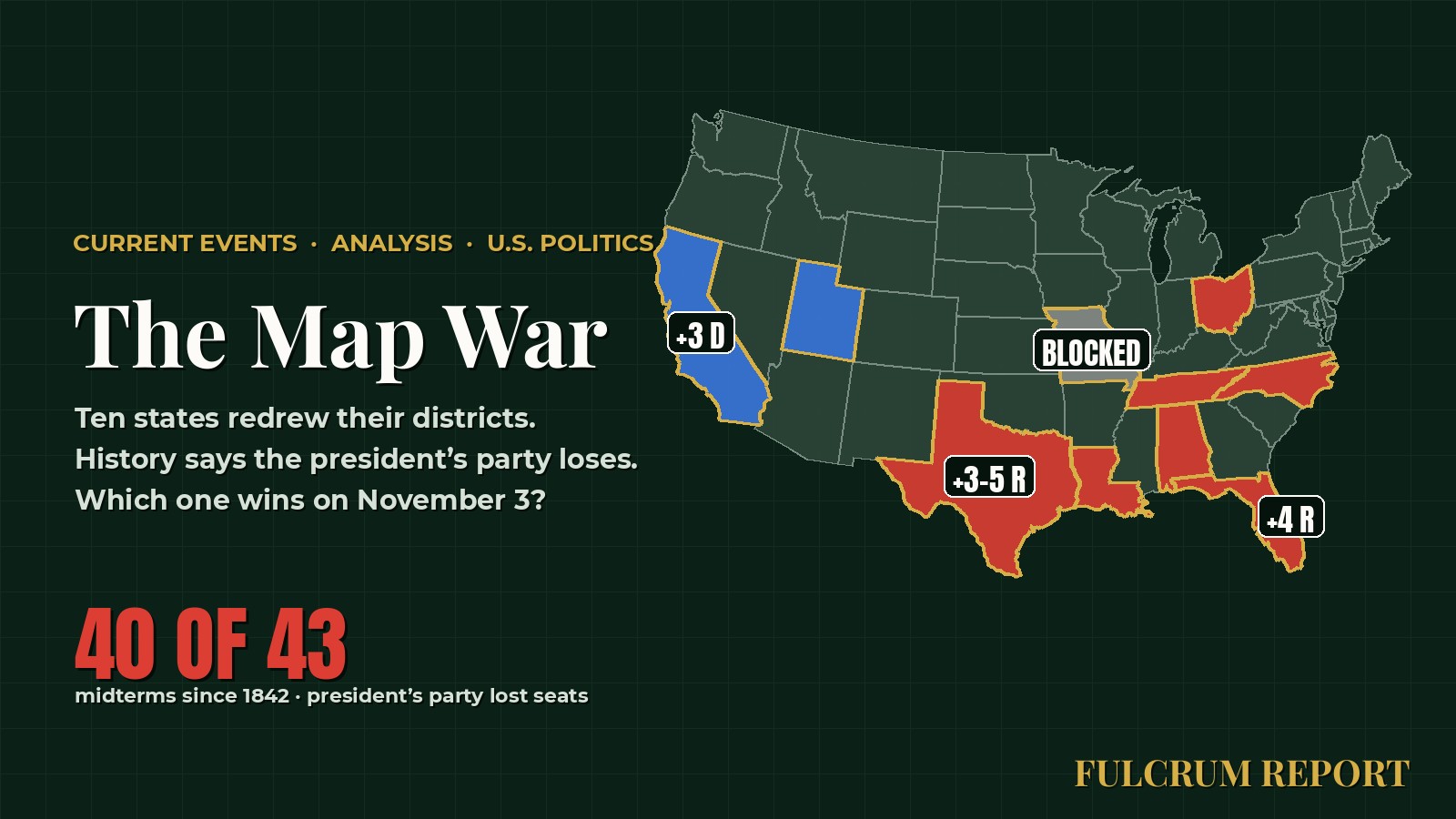
The Map War
Missouri must keep its 2022 map, but Texas, California and Florida have already redrawn. Why mid-decade redistricting is a buffer against the midterm curse.
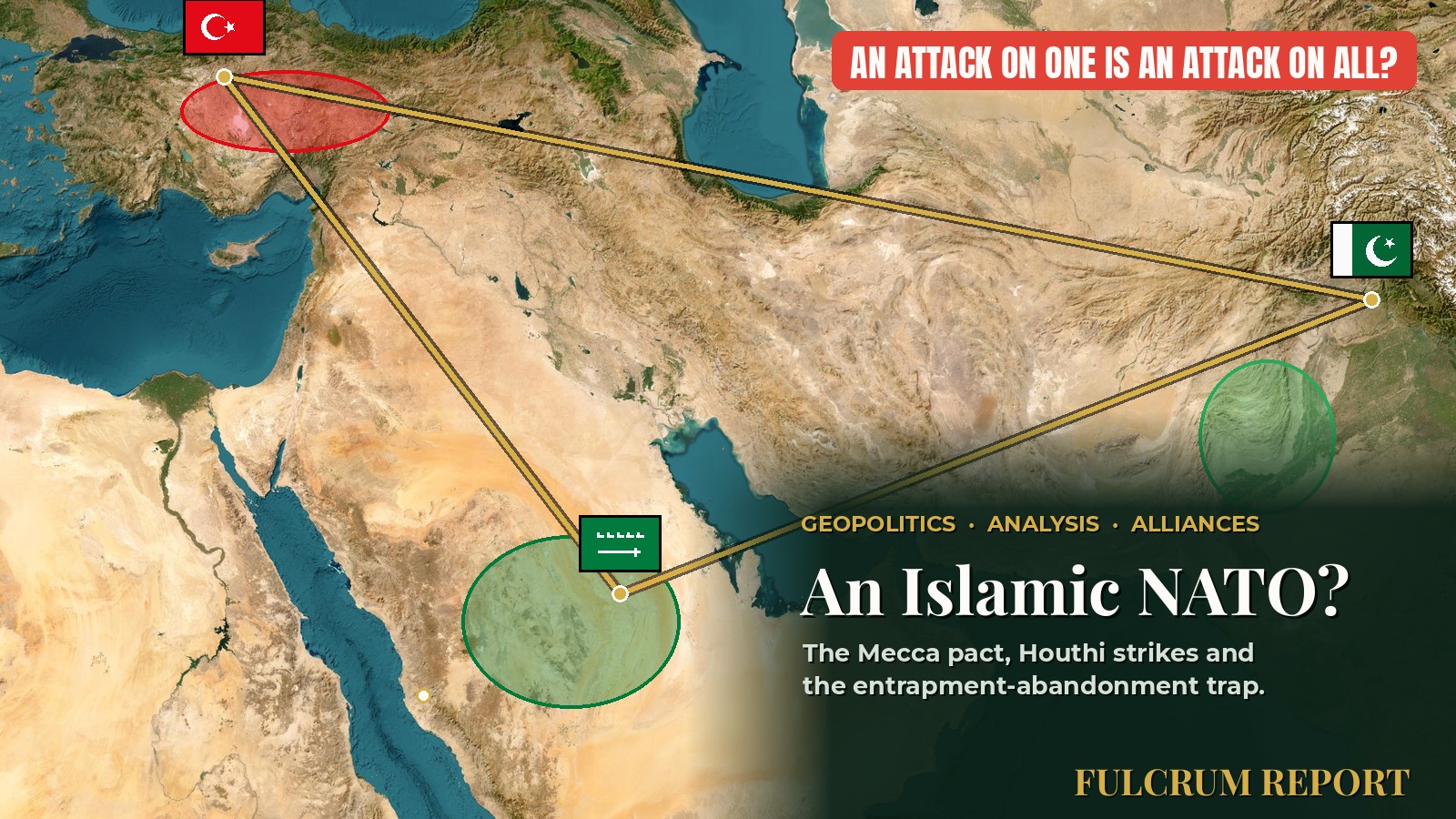
An Islamic NATO?
The Mecca Joint Defence Agreement promises collective defence. But invoking it over Houthi strikes could drag Pakistan and Turkey into a Yemeni war they don’t want. Entrapment versus abandonment, in plain sight.
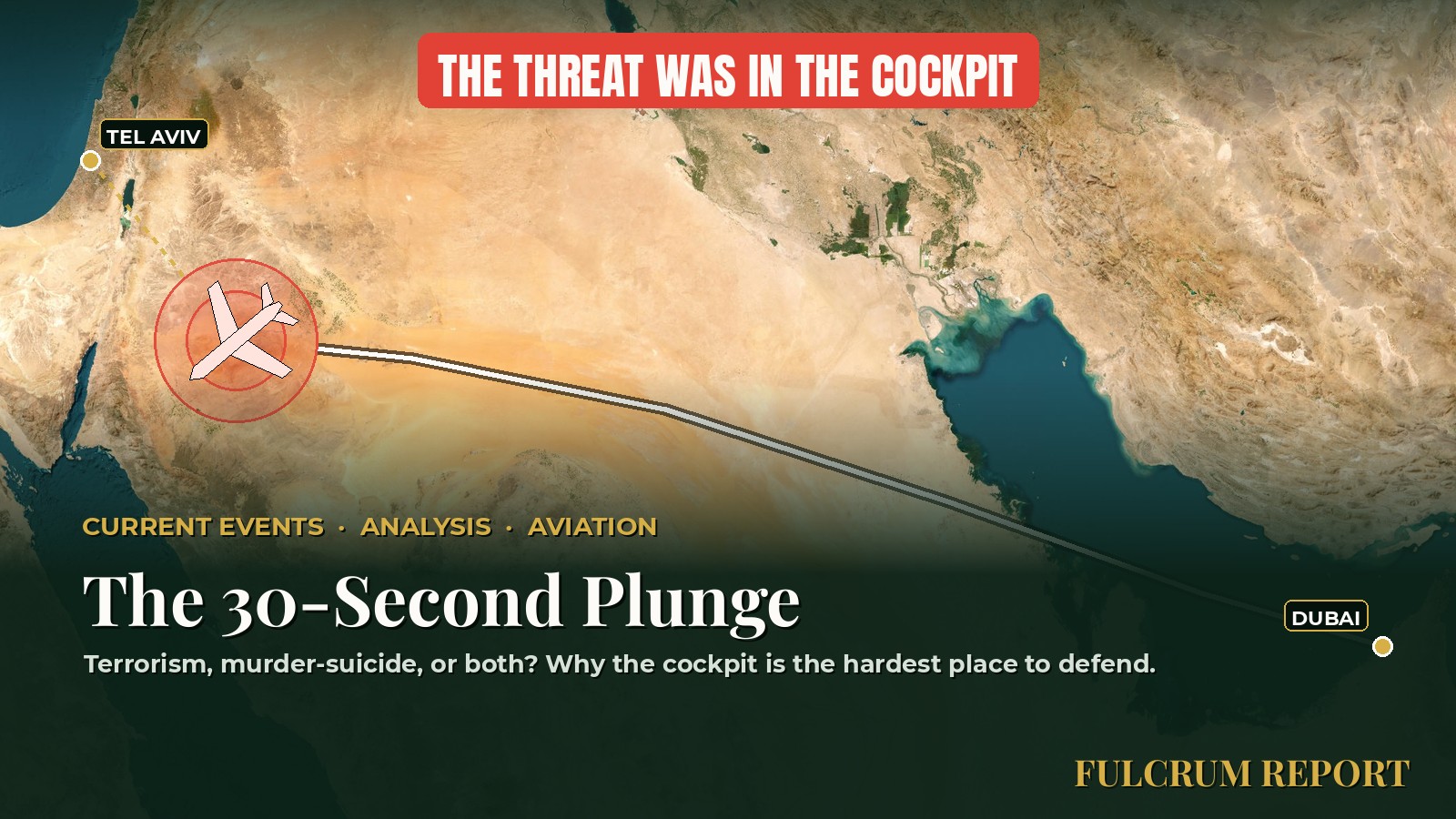
The 30-Second Plunge
A Tel Aviv-bound flydubai 737 plunged over Saudi Arabia before passengers subdued the co-pilot. The competing hypotheses, and why insider threats are aviation’s blind spot.
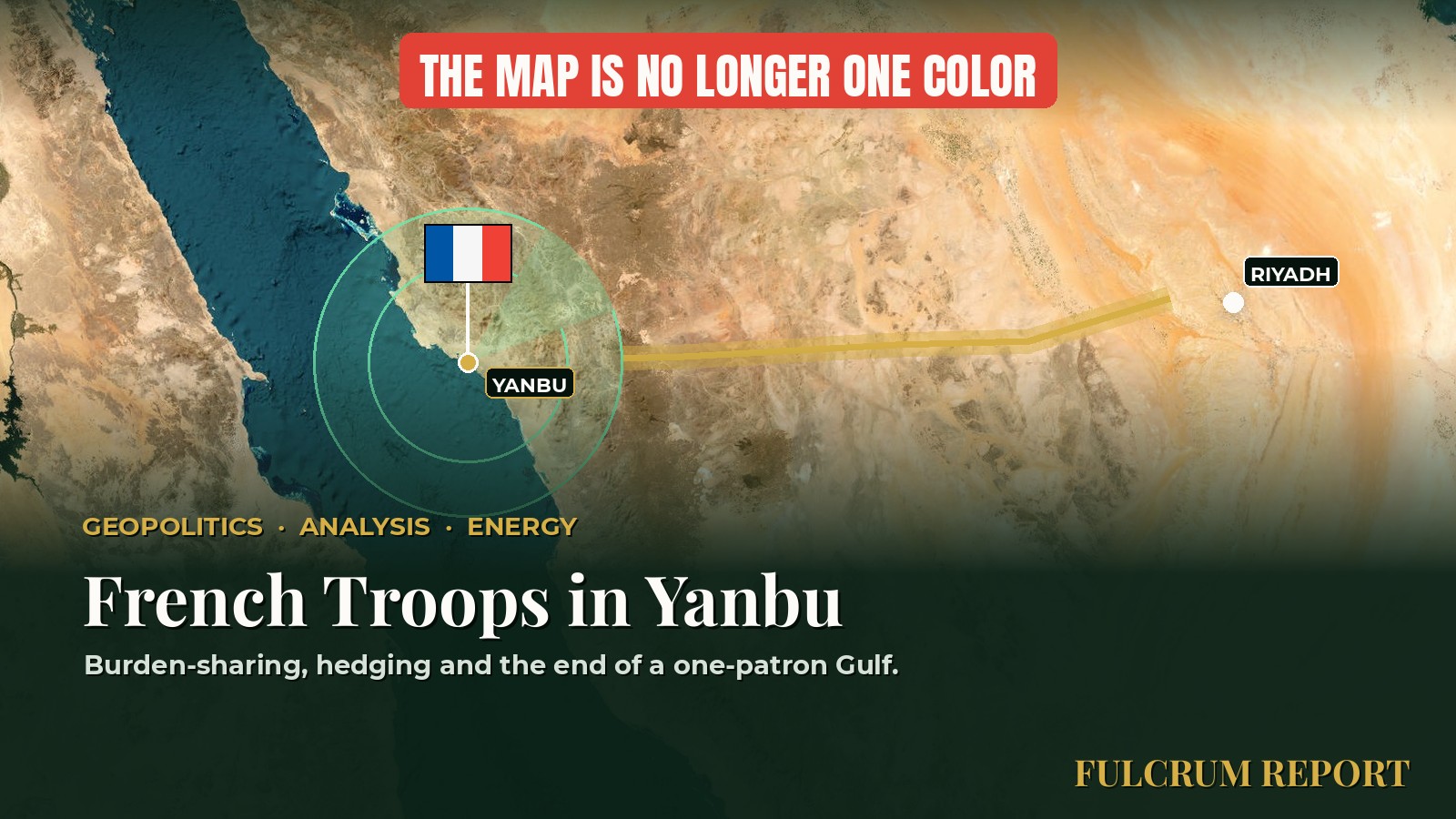
French Troops in Yanbu
After Houthi strikes, Macron announced a defensive deployment to Yanbu, the end of the East-West pipeline. Why middle powers are stepping in, and why Riyadh wants more than one protector.
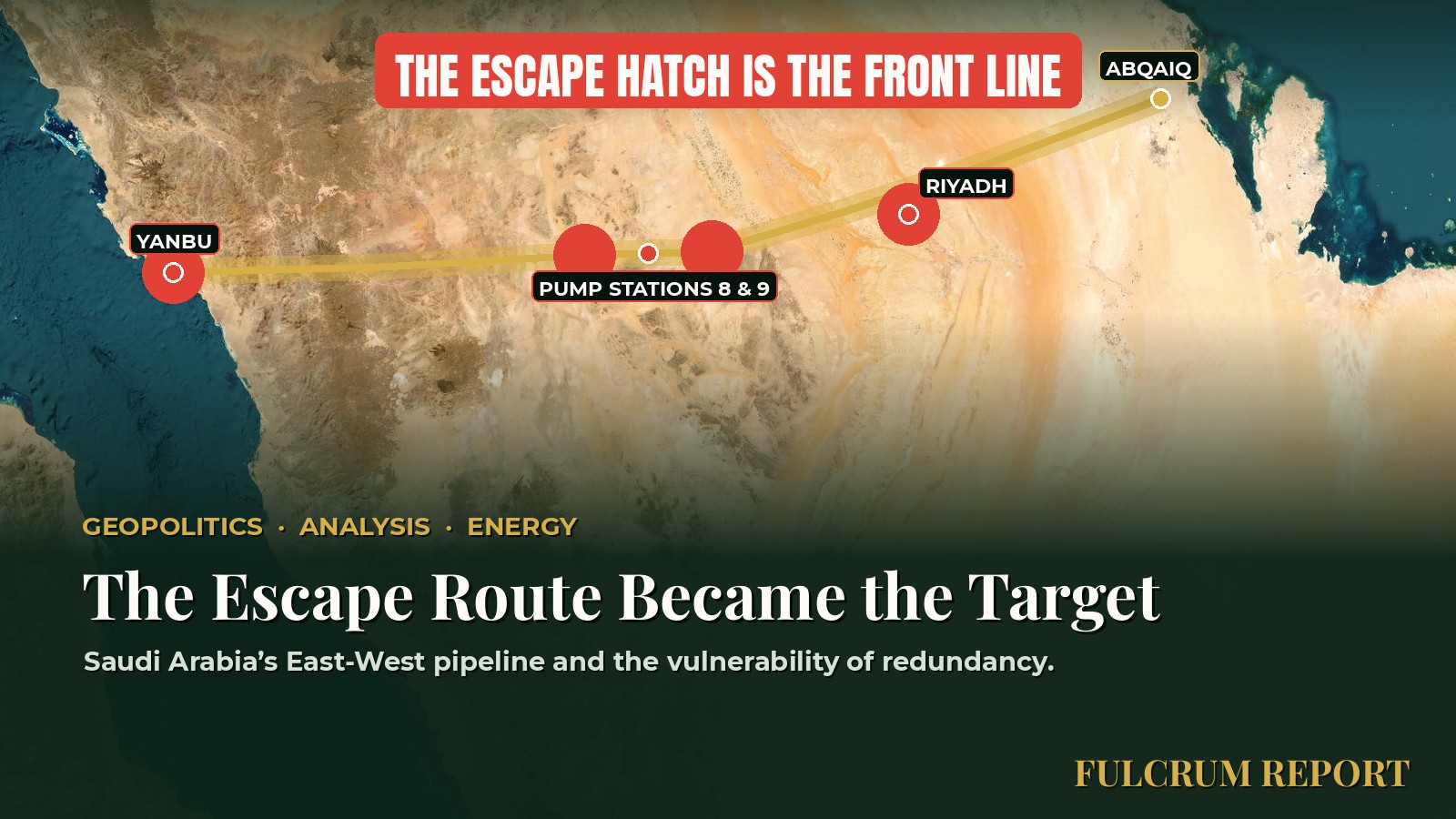
The Escape Route Became the Target
Pump stations 8 and 9 were struck, the Houthis claimed hits on Aramco, Riyadh and Yanbu, and Brent topped $108. Why a single backup route only moves the pressure, and what real resilience would look like.
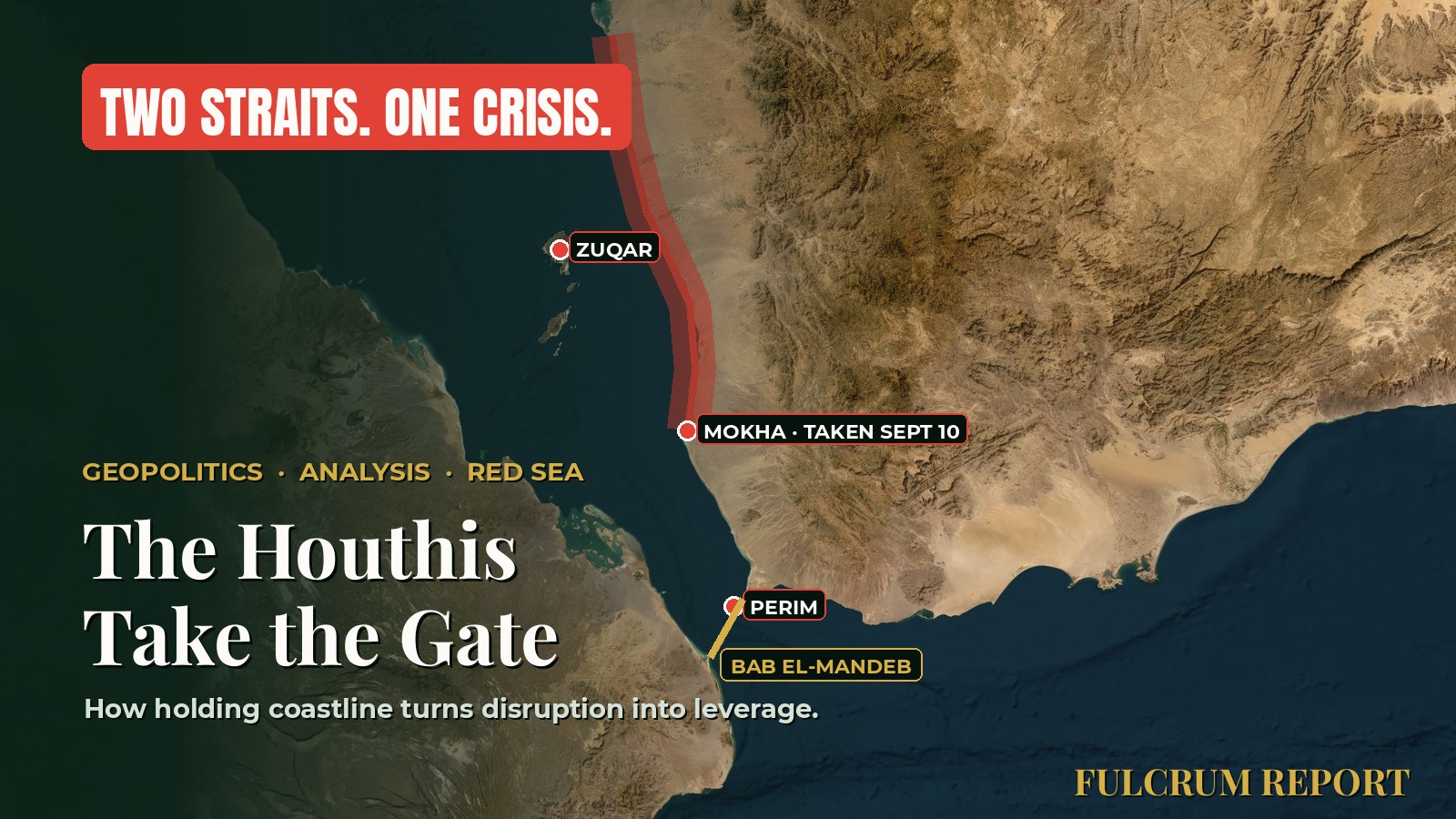
The Houthis Take the Gate: How Holding Coastline Turns Disruption into Leverage
In September the Houthis took Mokha, Zuqar and Perim, the coastline and islands that overlook the Red Sea’s southern gate. Missiles made them a problem. Holding ground makes them a gatekeeper, and gatekeepers get a seat at the table.
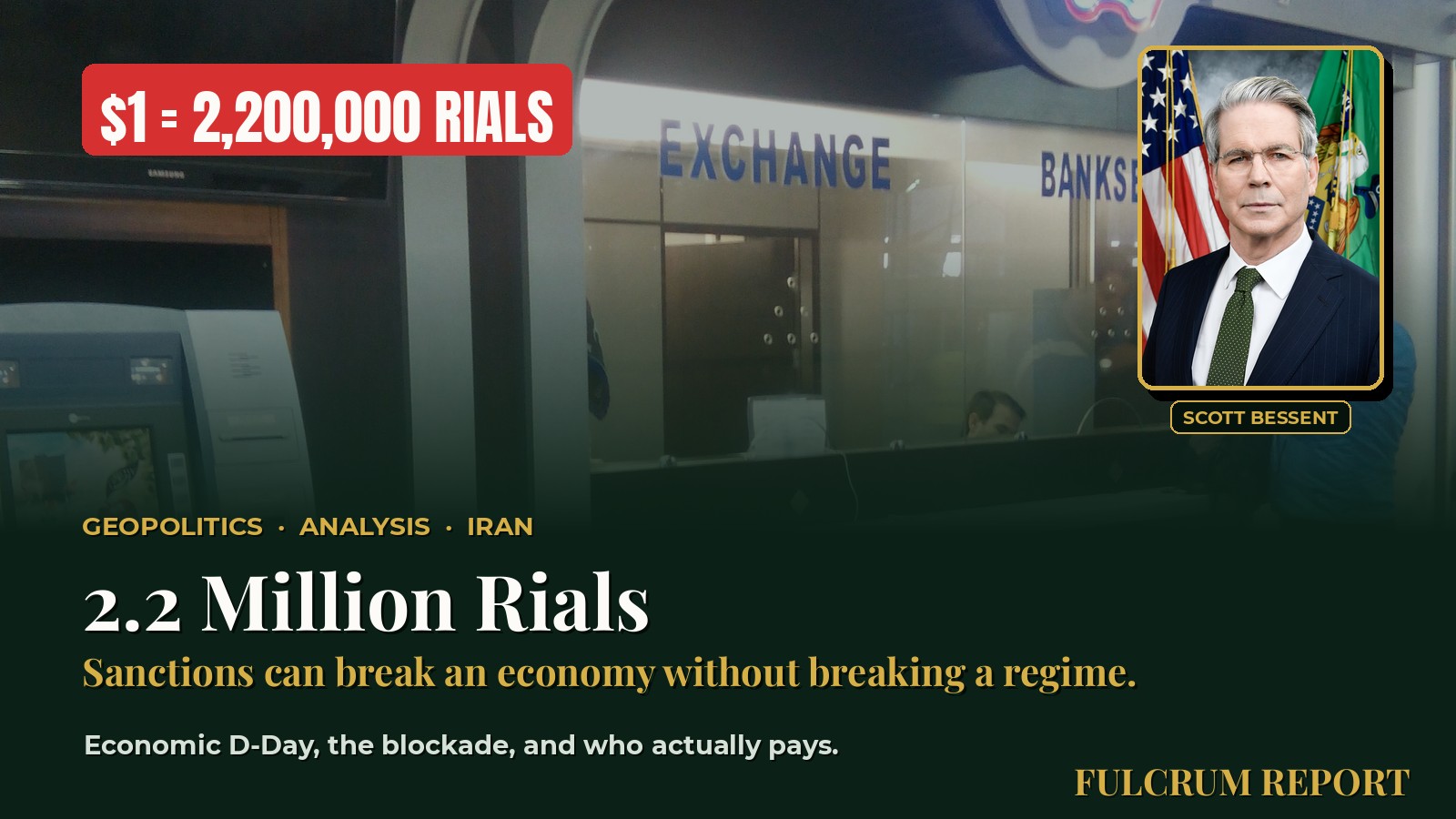
2.2 Million Rials: Sanctions Can Break an Economy Without Breaking a Regime
A dollar that bought one million rials a year ago now buys 2.2 million. With Scott Bessent’s Economic D-Day and the U.S. blockade of Iranian ports, the pressure is real. But the pain lands on ordinary people first, smugglers profit from scarcity, and hardship can strengthen the state.
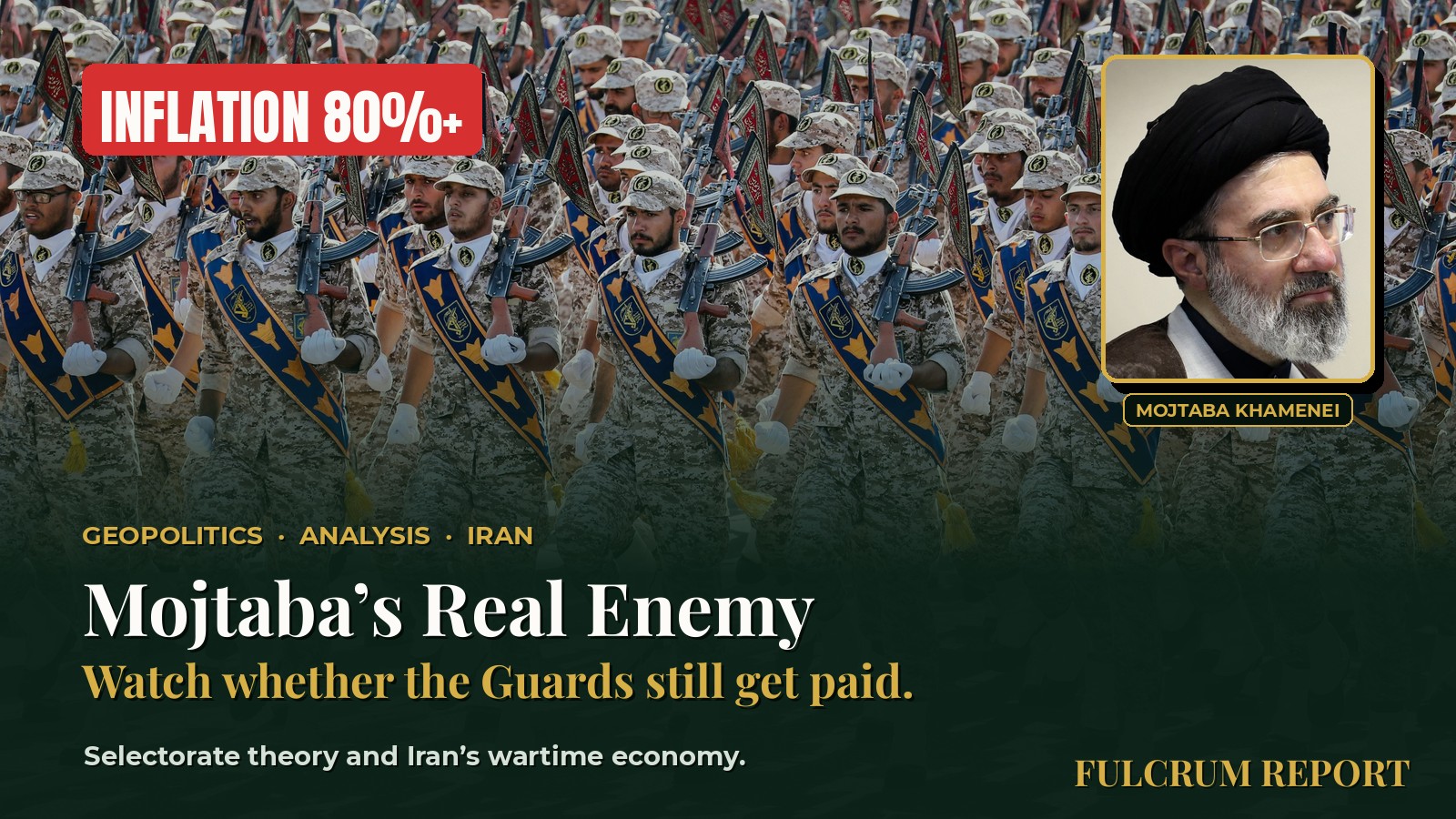
Mojtaba’s Real Enemy: Selectorate Theory and Iran’s Wartime Economy
Mojtaba Khamenei took power on March 9 with heavy IRGC backing. Six months later, food staples have roughly doubled, trade is reportedly down 25 to 35 percent and gasoline is running short. Selectorate theory explains why the regime can absorb enormous public pain, and where the real danger lies.
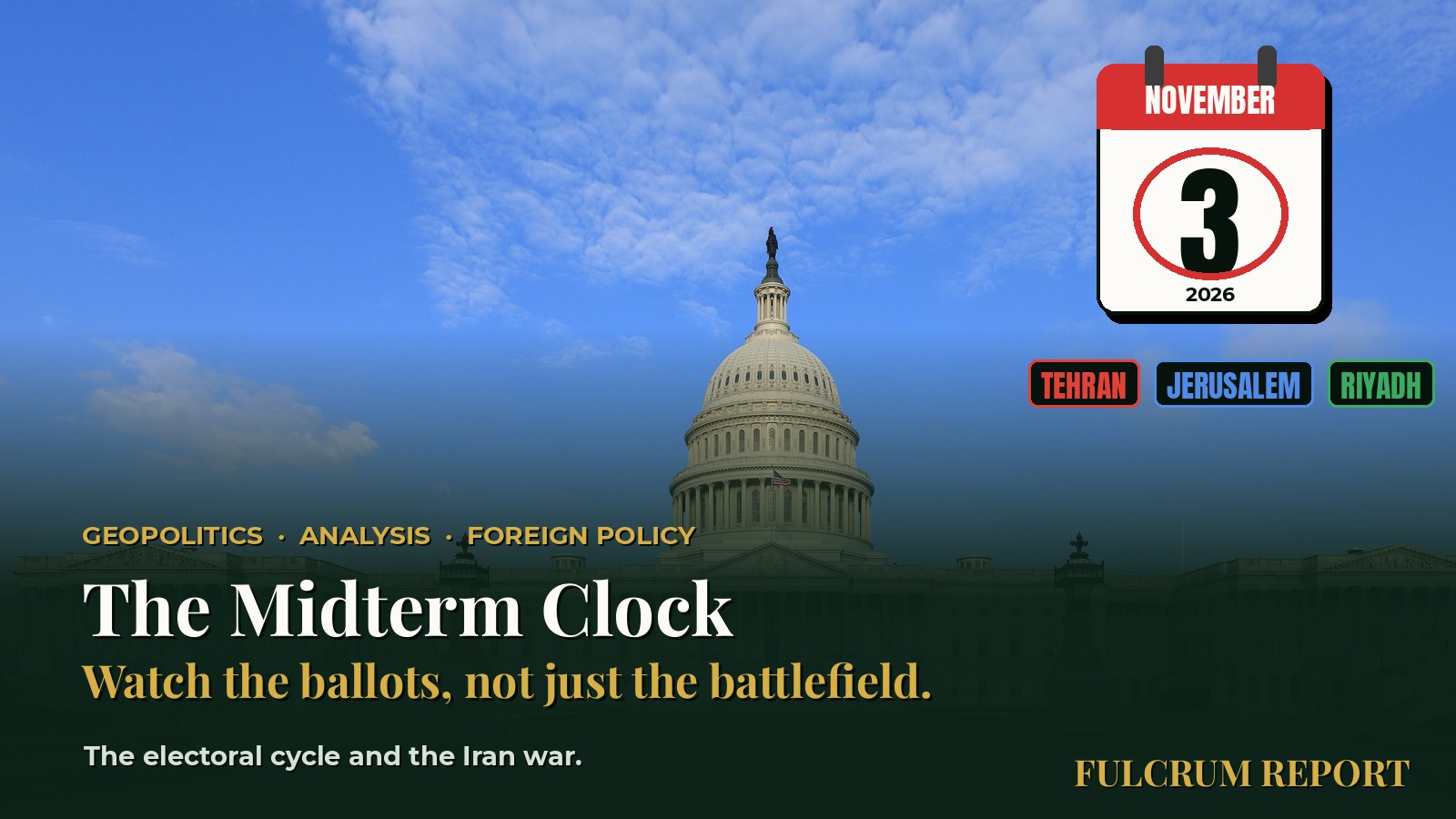
The Midterm Clock: How the U.S. Election Calendar Shapes the Iran War
President Trump says the war could end “immediately” after the midterms, while renewed strikes are reportedly on the table. Pakistan and Qatar keep mediating, but the electoral cycle has turned diplomacy into a waiting game, and Tehran, Jerusalem and Riyadh are all betting on how Americans vote.
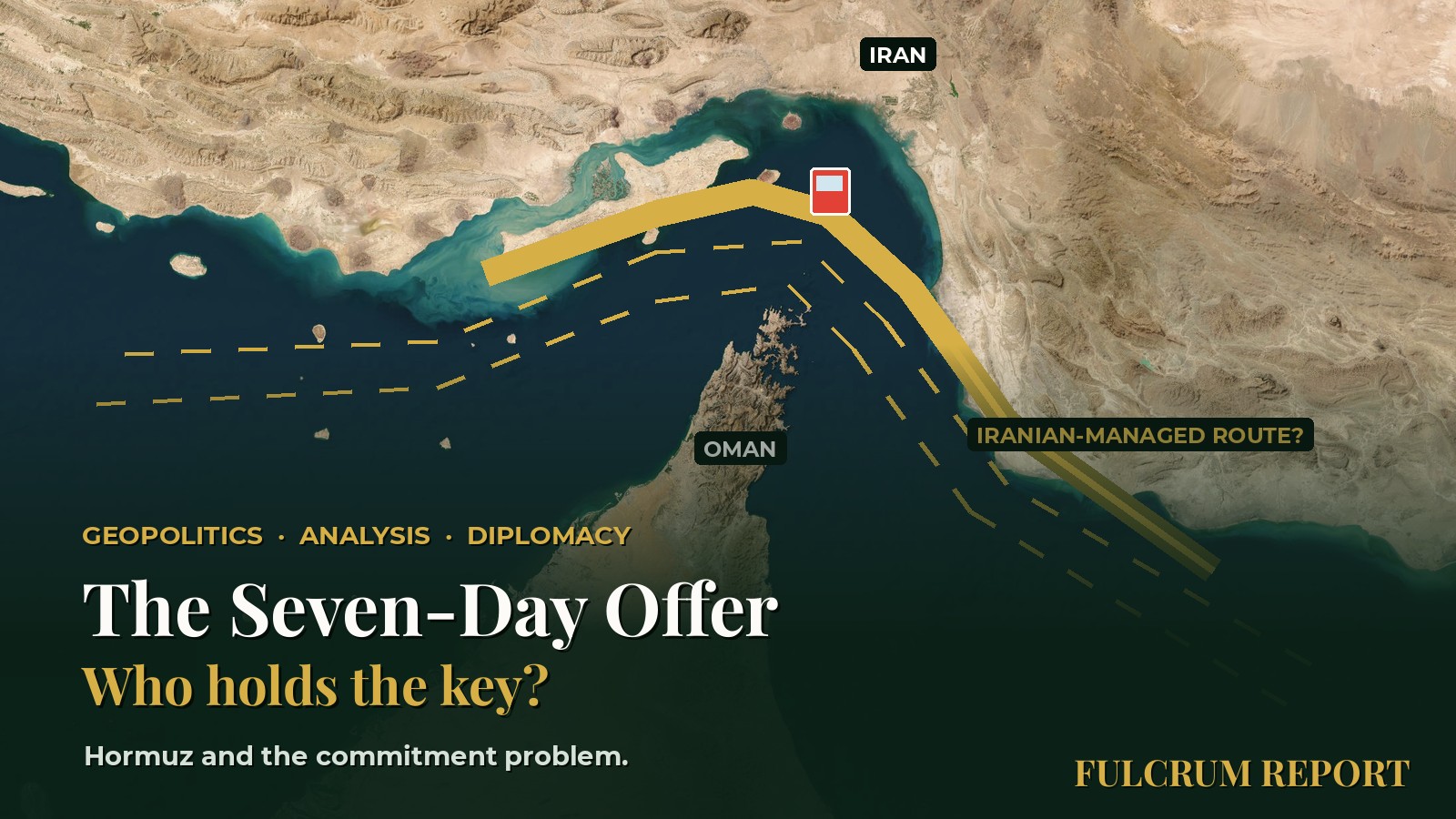
The Seven-Day Offer: Hormuz and the Commitment Problem
Tehran wanted sanctions, frozen assets and the blockade dealt with first. Washington called it too much up front. An Iranian-run corridor would restart trade but make Tehran the gatekeeper. The real fight is over who holds the key afterward.
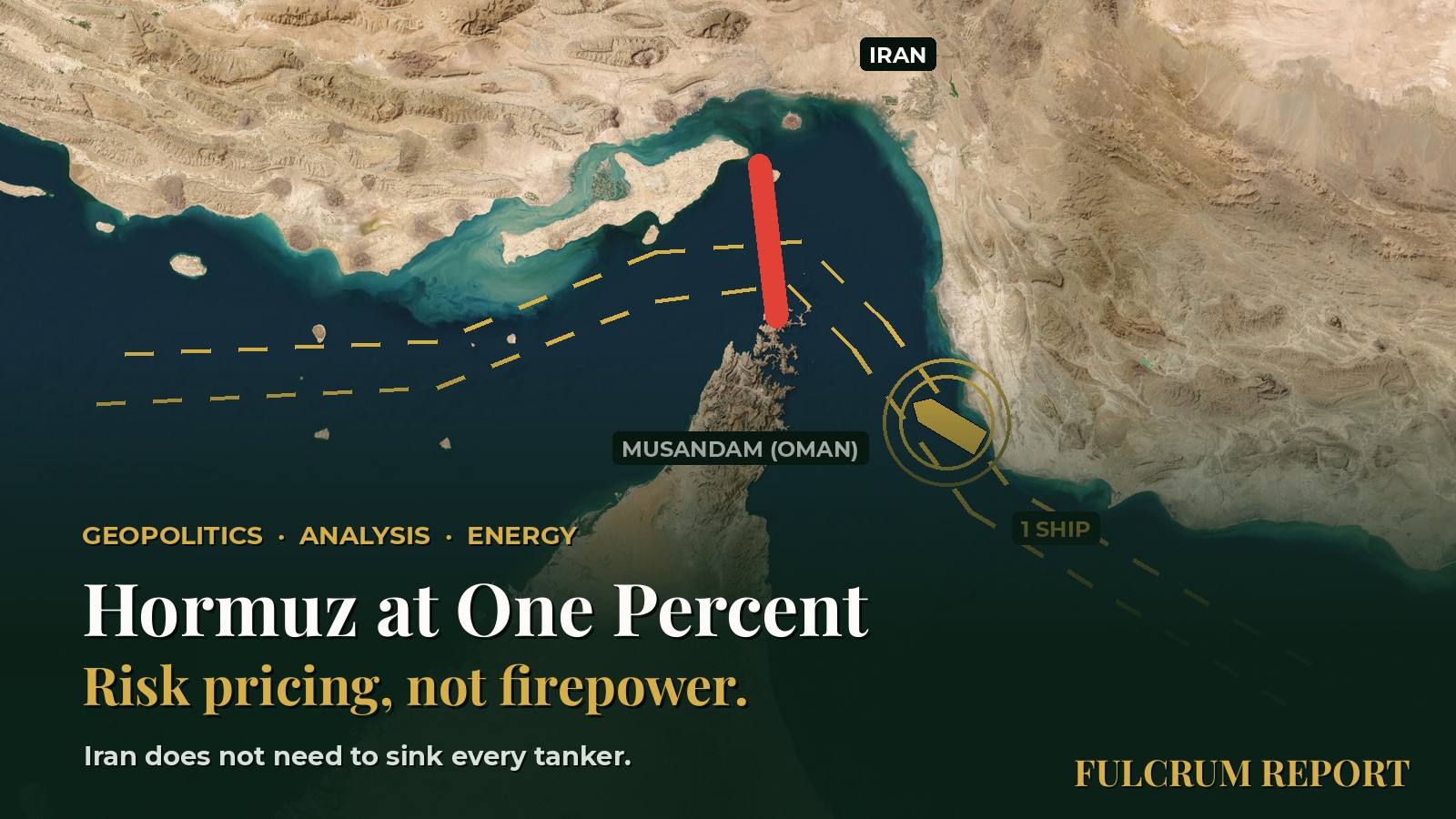
Hormuz at One Percent: Risk Pricing, Not Firepower
War-risk premiums are up about 40 times, some insurers have pulled cover, and IRGC fast boats and reported mine-laying keep the doubt alive. Iran does not have to sink every tanker. It only has to make passage uninsurable.
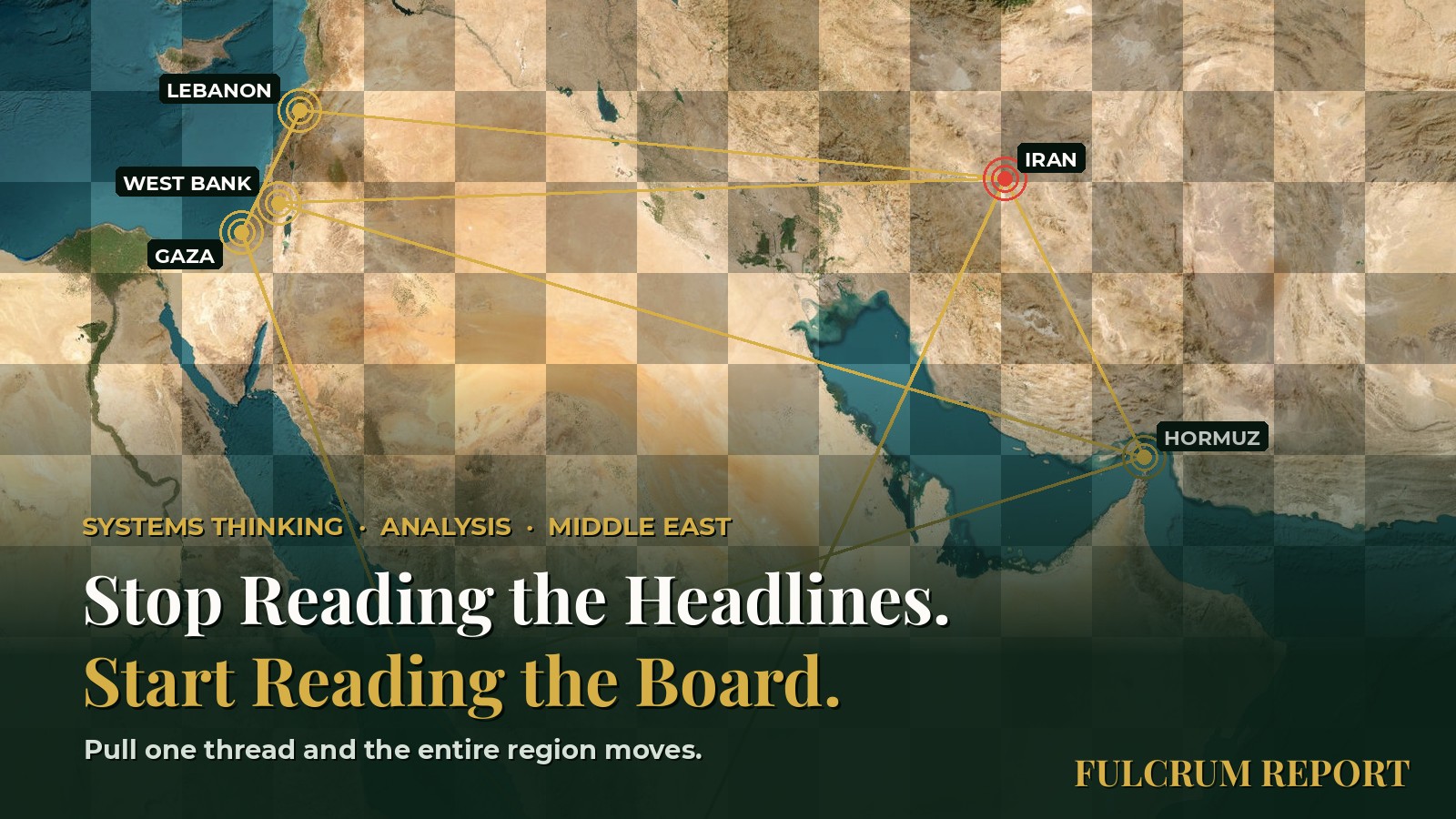
Stop Reading the Headlines. Start Reading the Board.
The US-Iran war squeezes Hormuz, pushes oil toward the Red Sea and Houthi attacks, feeds inflation, pulls attention away from the West Bank and opens a mediator seat China is filling. One crisis moves oil prices, attention, military choices and diplomatic power, and those changes feed back into the next crisis.
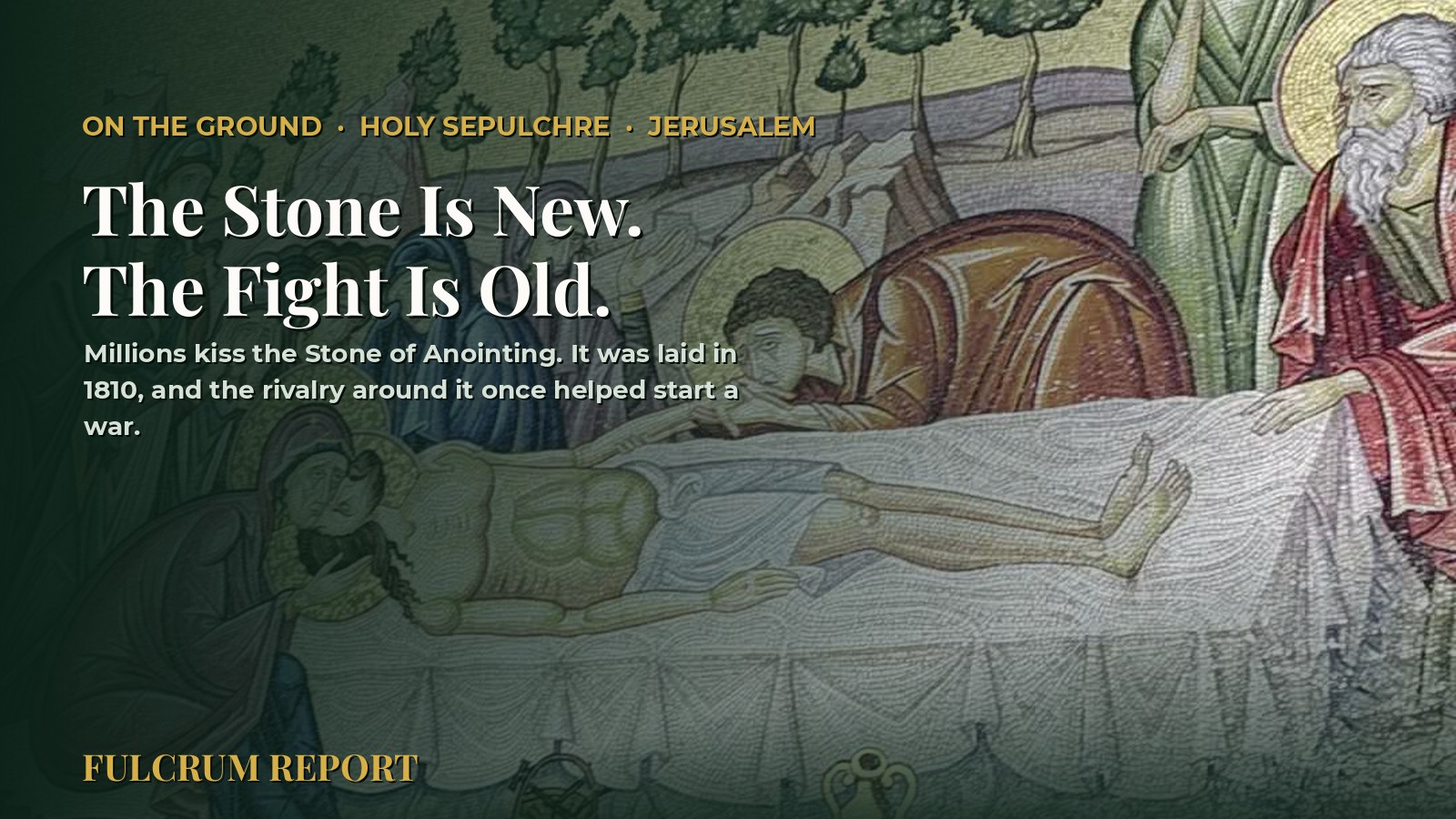
The Stone Is New. The Fight Is Old.
Filmed on the ground at the Church of the Holy Sepulchre: the Stone of Anointing that pilgrims kneel to kiss was laid after a fire in 1808, and the gold mosaic above it dates to 1990. The rivalry over who rebuilds, owns and tends it is far older, and in the 1850s it helped drag Russia, France and the Ottoman Empire into war.
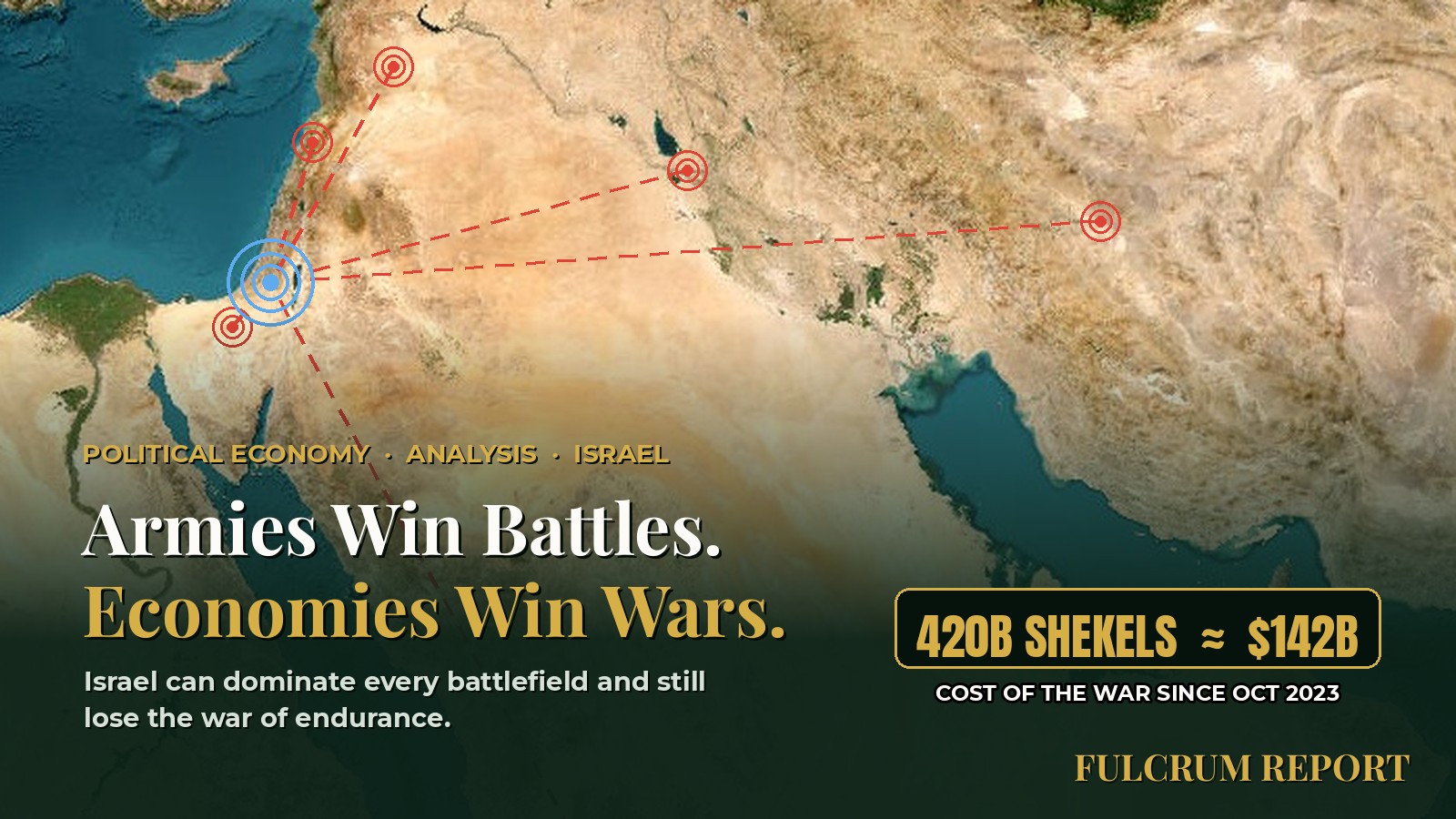
Armies Win Battles. Economies Win Wars.
The war has cost Israel roughly 420 billion shekels, about $142 billion, since October 2023. Output fell an estimated 10% in early 2026, the deficit neared 6% of GDP, and defense spending passed 7%. Interceptors and reservist call-ups show how a long war compounds, and why powerful states usually lose by running out of money rather than firepower.
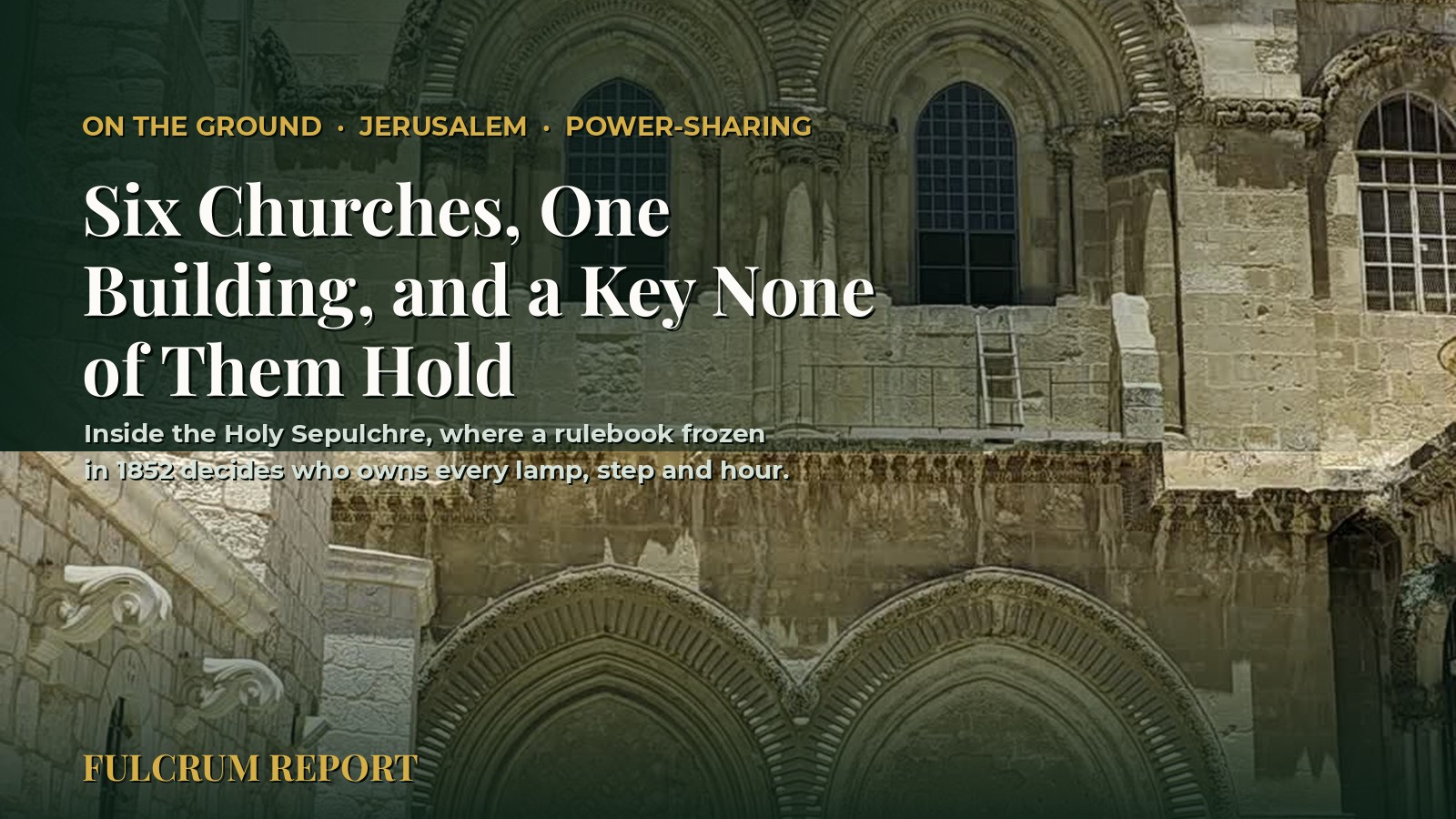
Six Churches, One Building, and a Key None of Them Hold
Six Christian communities share the Holy Sepulchre in Jerusalem, but none of them holds the key. Filmed on the ground: how the Status Quo, the Immovable Ladder and a floor that took decades to negotiate reveal the way the Middle East manages shared sacred space.
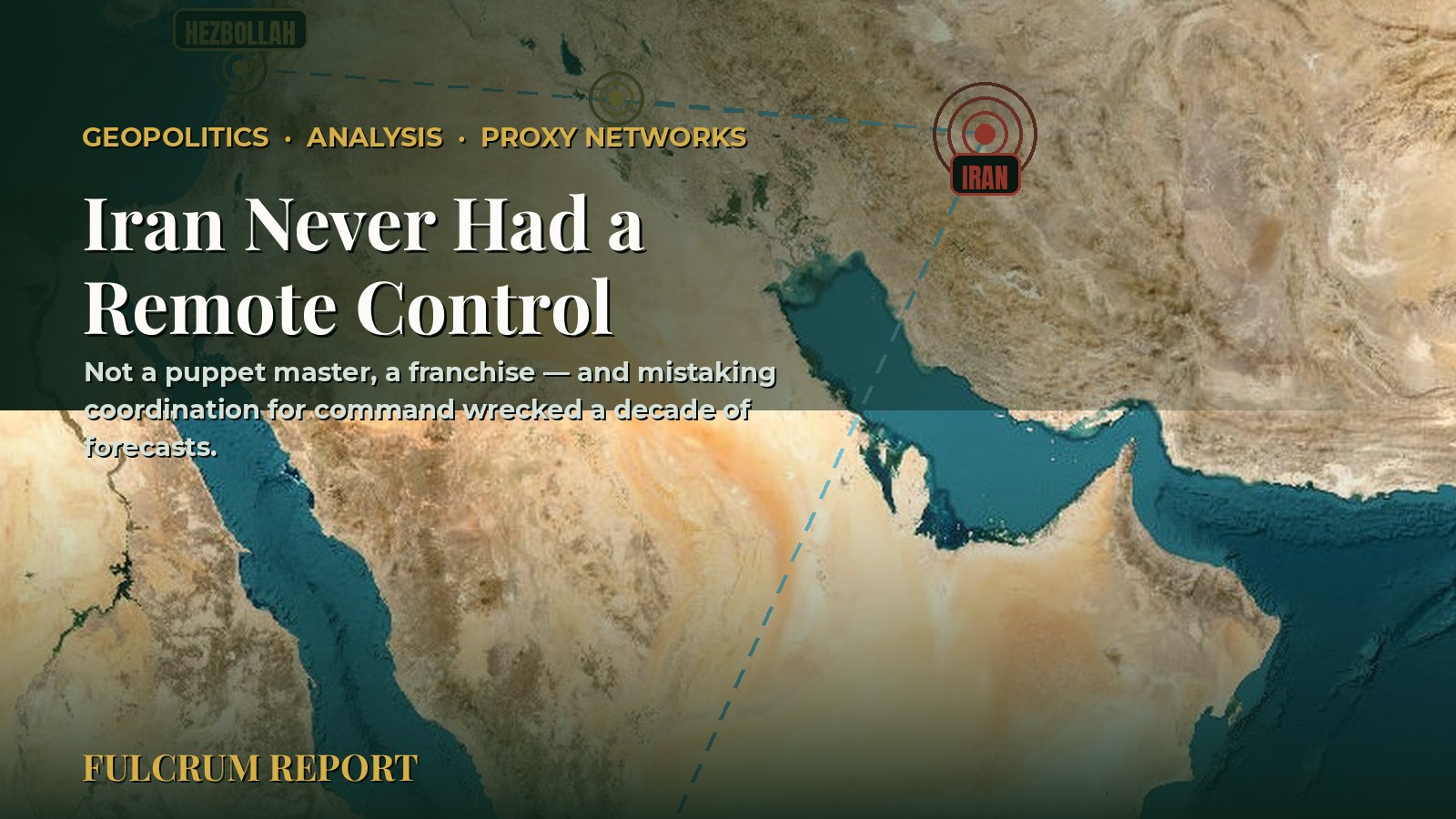
Iran Never Had a Remote Control
The Middle East got explained for years with one seductive image: Iran holding a remote control, every militia wired to it. 2026 is proving how wrong that was — Hezbollah weakened, Assad gone, the Houthis freelancing a blockade. The better framework is principal and agent, and the better metaphor is a franchise: shared brand, local decisions, influence that was never control.
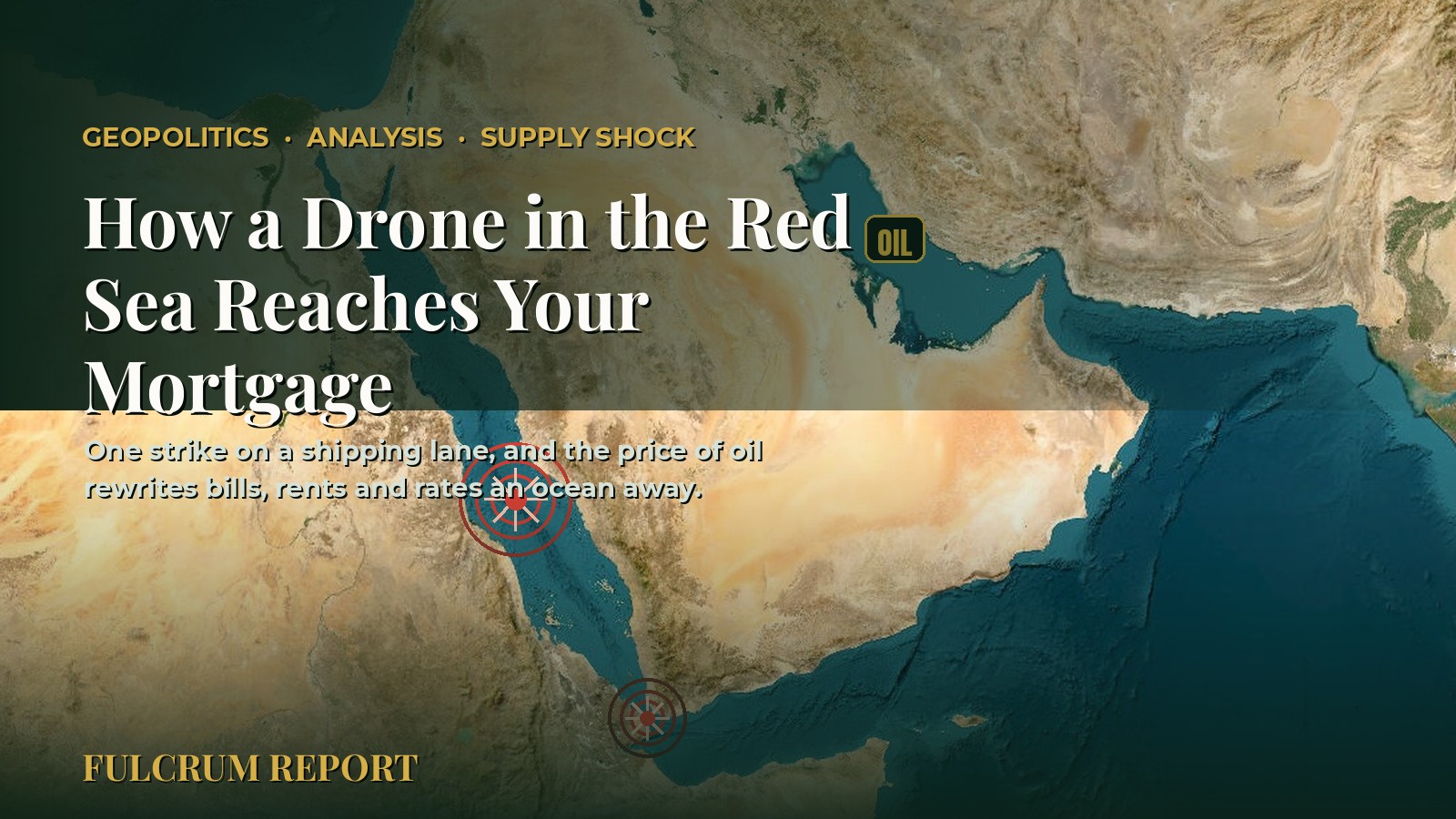
How a Drone in the Red Sea Reaches Your Mortgage
A drone in the Red Sea can raise your mortgage thousands of miles away — and the path is plumbing, not metaphor. From chokepoint to rerouting to the oil baked into everything you buy, then stagflation and the central-bank trap that keeps rates high: this is supply-shock transmission, traced all the way to your monthly payment.
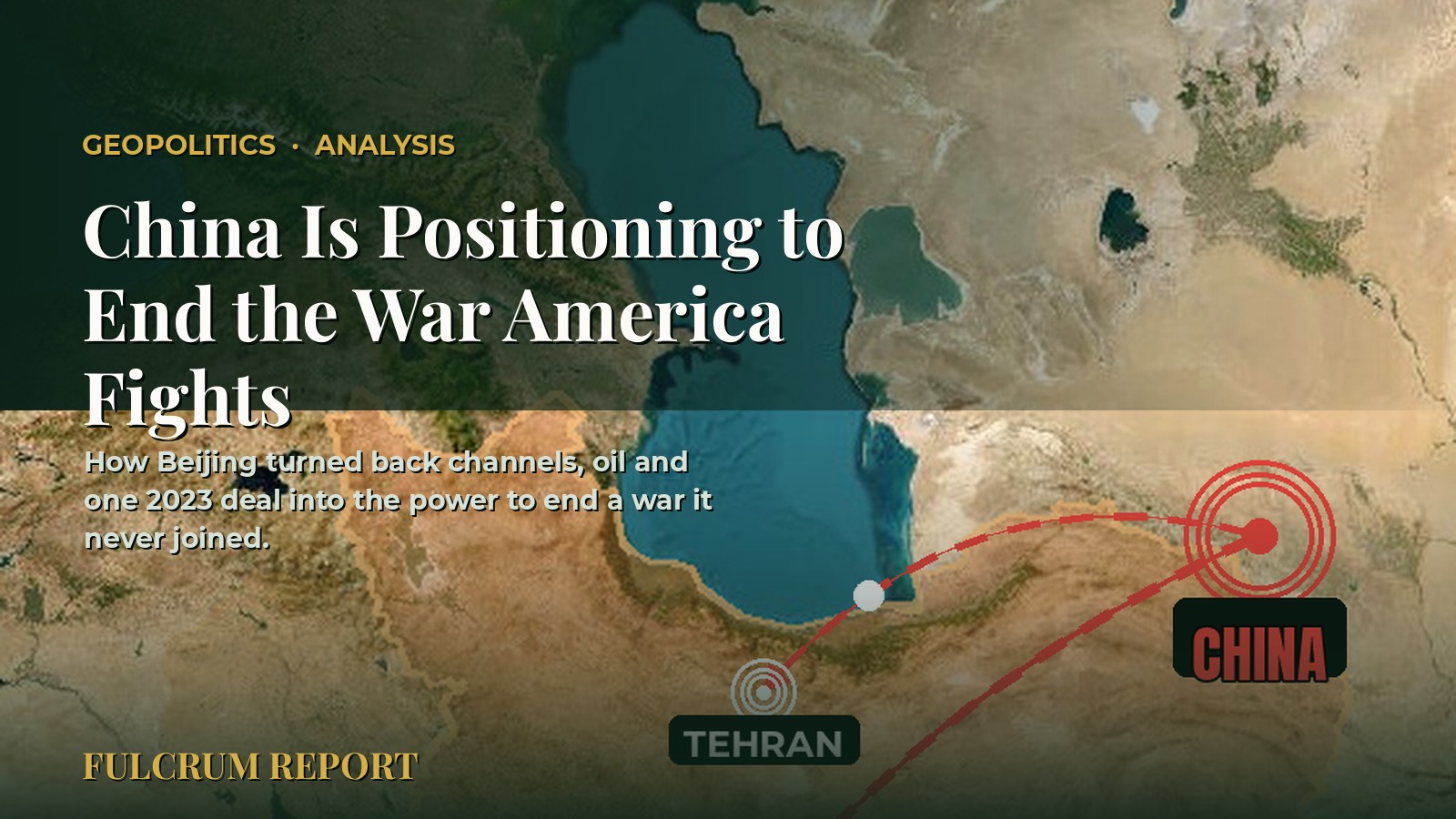
China Is Positioning to End the War America Fights
America is fighting the war; China is positioning itself to end it. Once you look at the negotiating table instead of the battlefield, the whole story of this century comes into focus — a combatant can't be the referee, and the actor everyone trusts to end the fighting is the one accumulating power.
Refugees Will Decide Elections Far From This War
A war fought in the Levant may end up deciding elections in countries that never fired a shot in it. Not metaphorically — literally. Displacement is the great second-order effect of war, and securitization is the machine that turns it into electoral change.
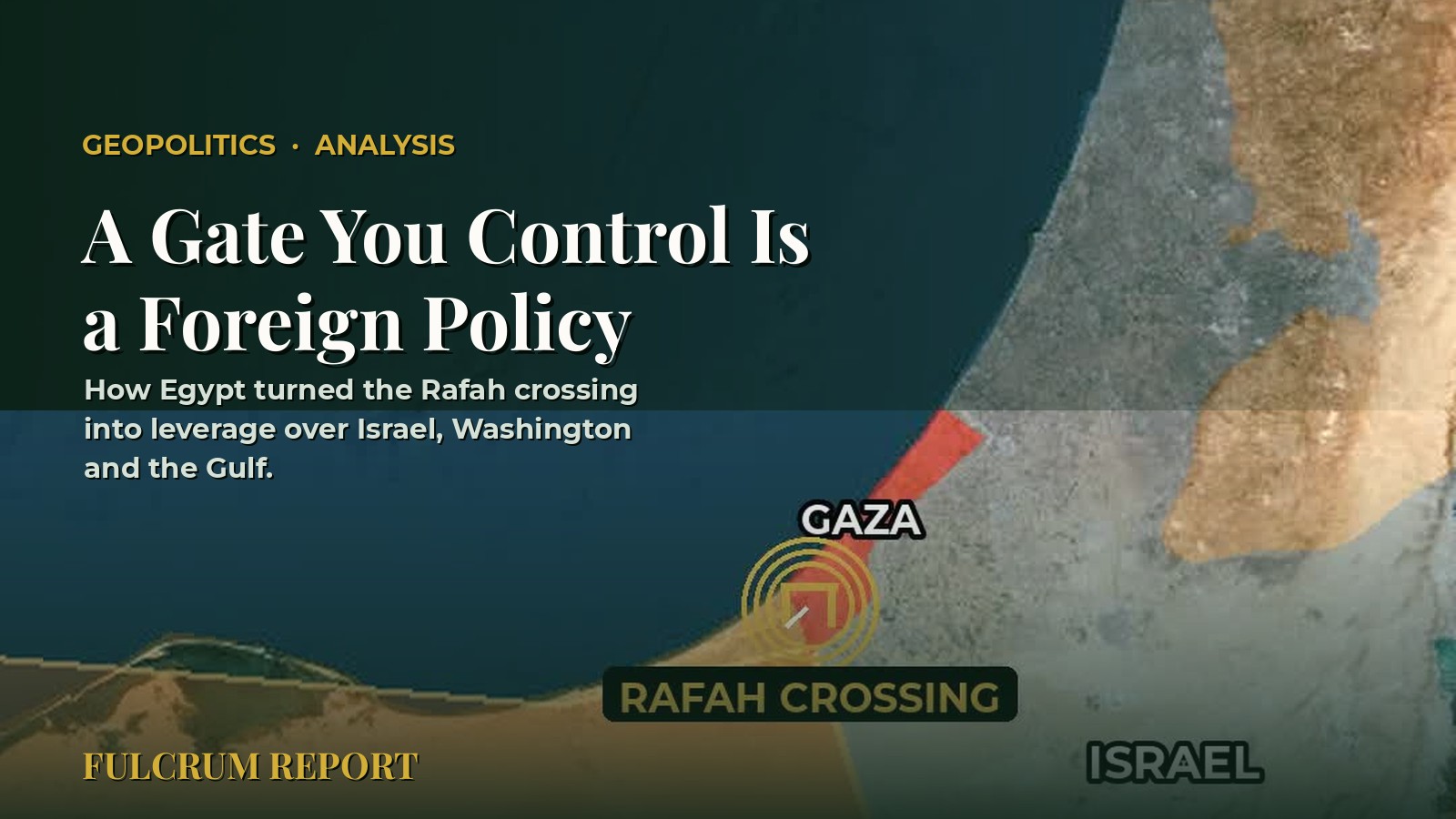
A Gate You Control Is a Foreign Policy
One of the most consequential Egyptian instruments in the Gaza war is a border gate. Once you understand Rafah, you understand something about power the louder parts of this war keep obscuring: sometimes the decisive actor isn't the one with the most firepower. It's the one holding the gate.
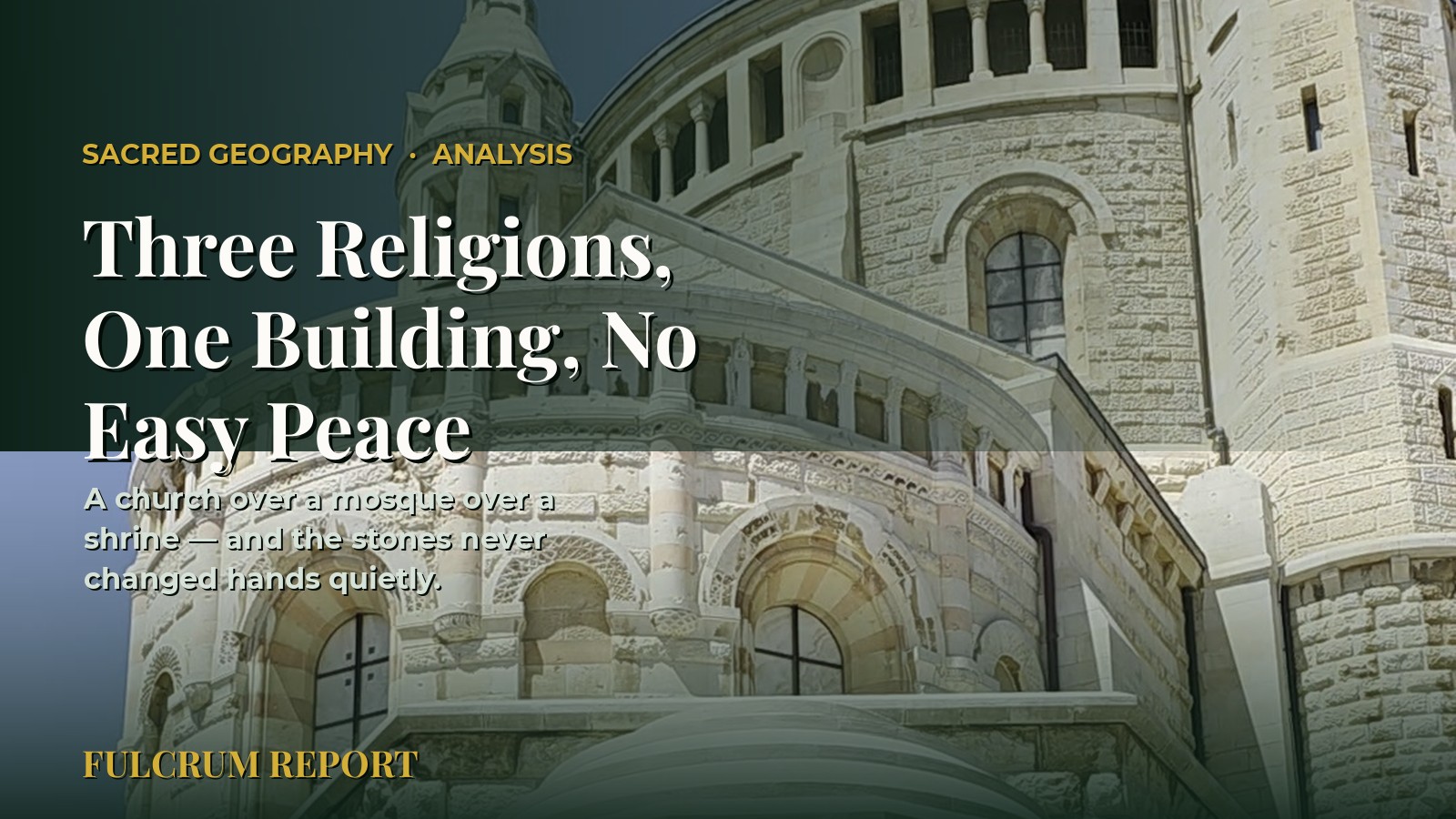
Three Religions, One Building, No Easy Peace
There is a hill just outside the Old City where three religions and one modern state press down on the same few square meters of stone. Most visitors walk through it in an afternoon. What they have actually walked through is one of the most concentrated arguments about sovereignty on earth.
The Calmest Country on the Map Is Where It Breaks
If you want to guess where the next Middle East crisis begins, don't start with the country that's already burning. Start with the one everybody keeps calling stable. Right now that's Jordan.
The Gulf's Nightmare Isn't Iran. It's Being Abandoned by America.
Watch what the Gulf monarchies do rather than what they say and a different fear comes into focus: not the enemy across the water, but the friend who might not show up. Glenn Snyder named this trap in 1984.
The Story Off-Camera Is Usually the Real One
Global scrutiny is finite. A big enough war does not just dominate the headlines; it raises the cost of responding to anything else, opening a window for slower changes to advance unseen.
You Can Bomb a Facility. You Can't Bomb a Motive.
Bombs can destroy buildings and delay a program, but they cannot erase knowledge or intent — and they can harden the will to rebuild. Inside the security dilemma driving Iran's nuclear calculus.
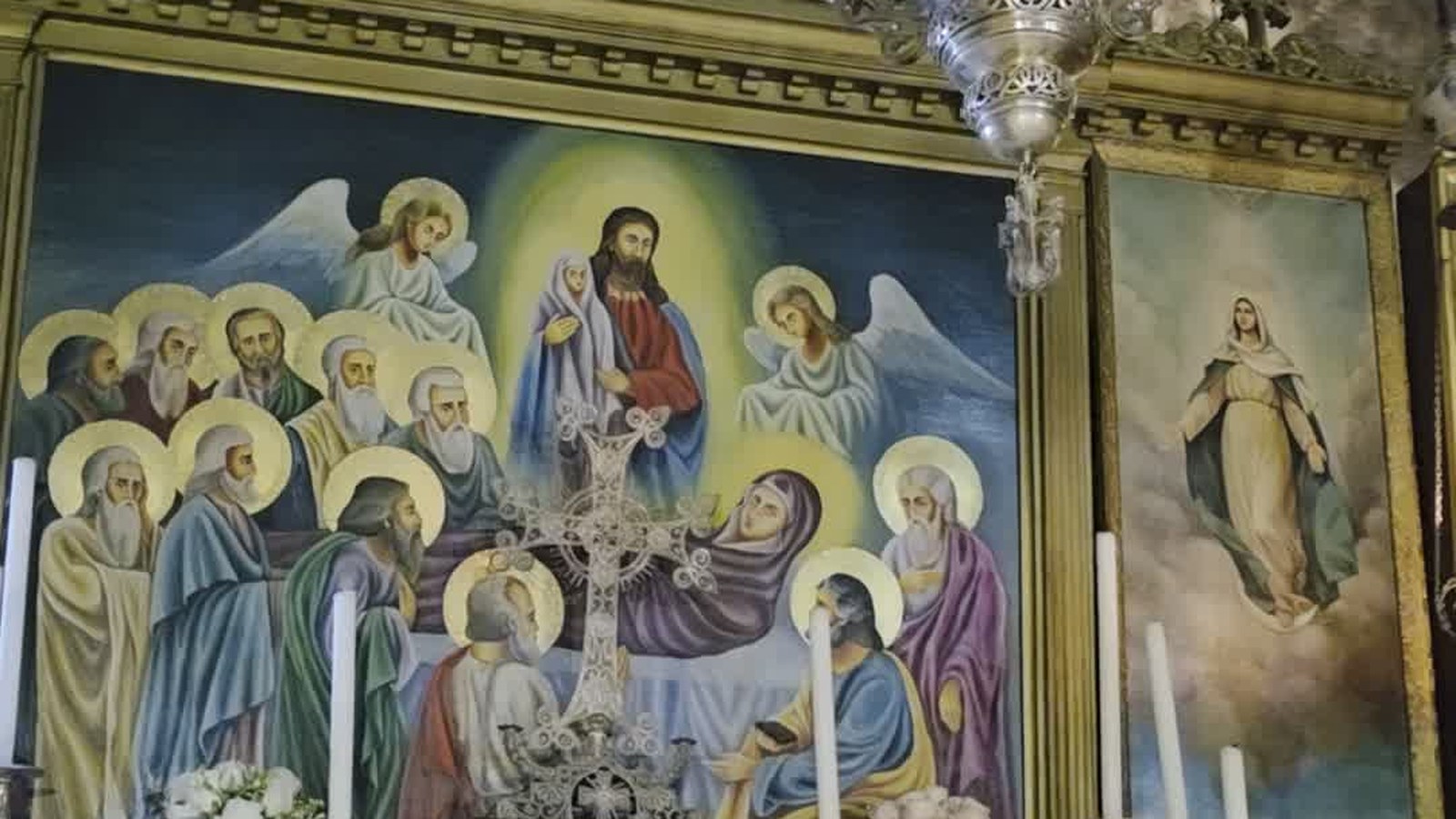
The Jerusalem Crypt Saladin Refused to Destroy
At the foot of the Mount of Olives lies a rock-cut tomb where Christians and Muslims have prayed side by side for centuries — and which the conqueror of Jerusalem deliberately spared. Its story is a lesson in how sacred space is shared, contested, and governed.
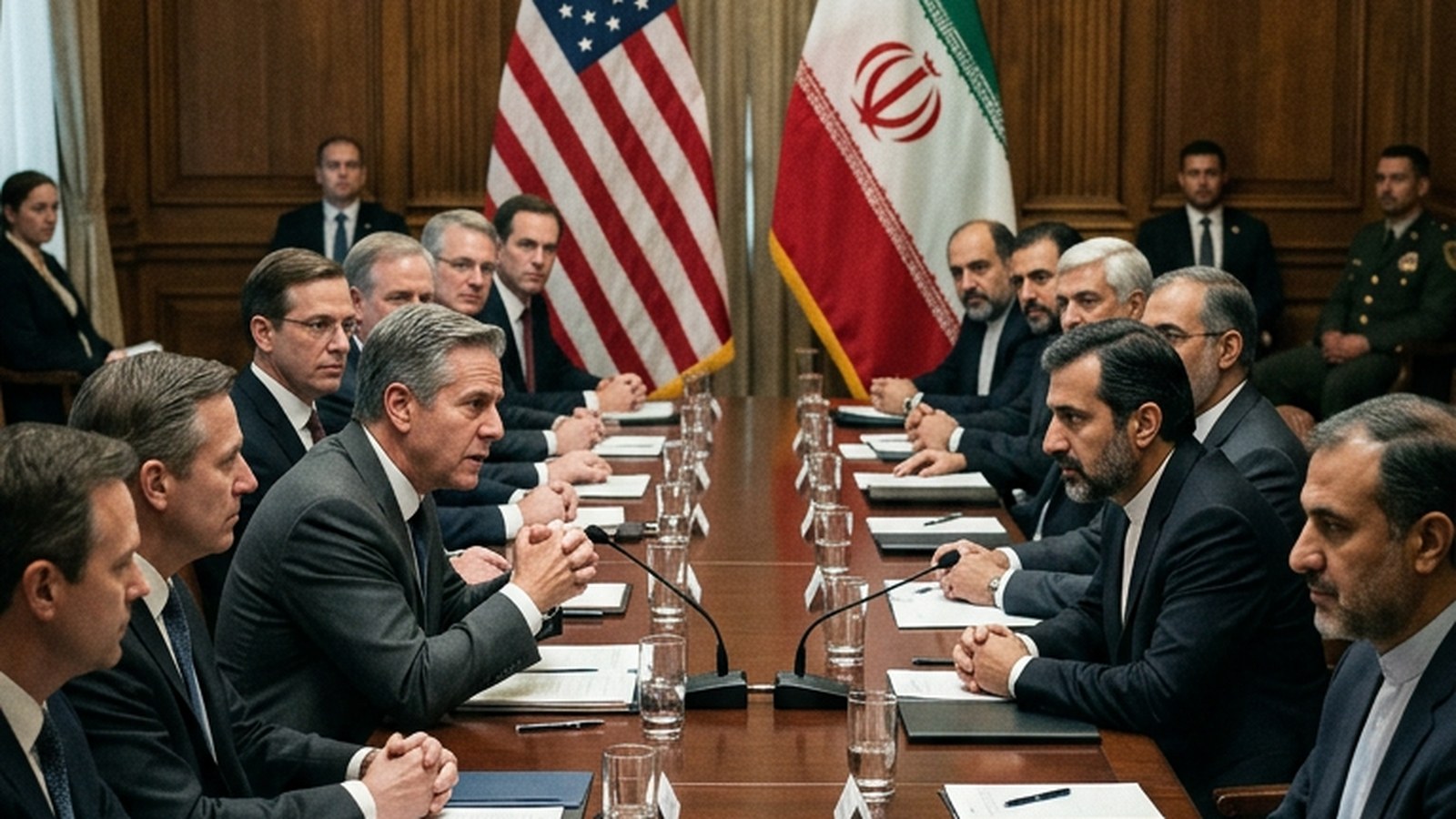
The War on Two Boards: Why the Iran Fight Is Decided in Washington
A war Congress never authorized is being managed on two boards at once. Putnam’s two-level game shows why energy prices, voter pressure, and the War Powers Resolution shape every ceasefire with Tehran.
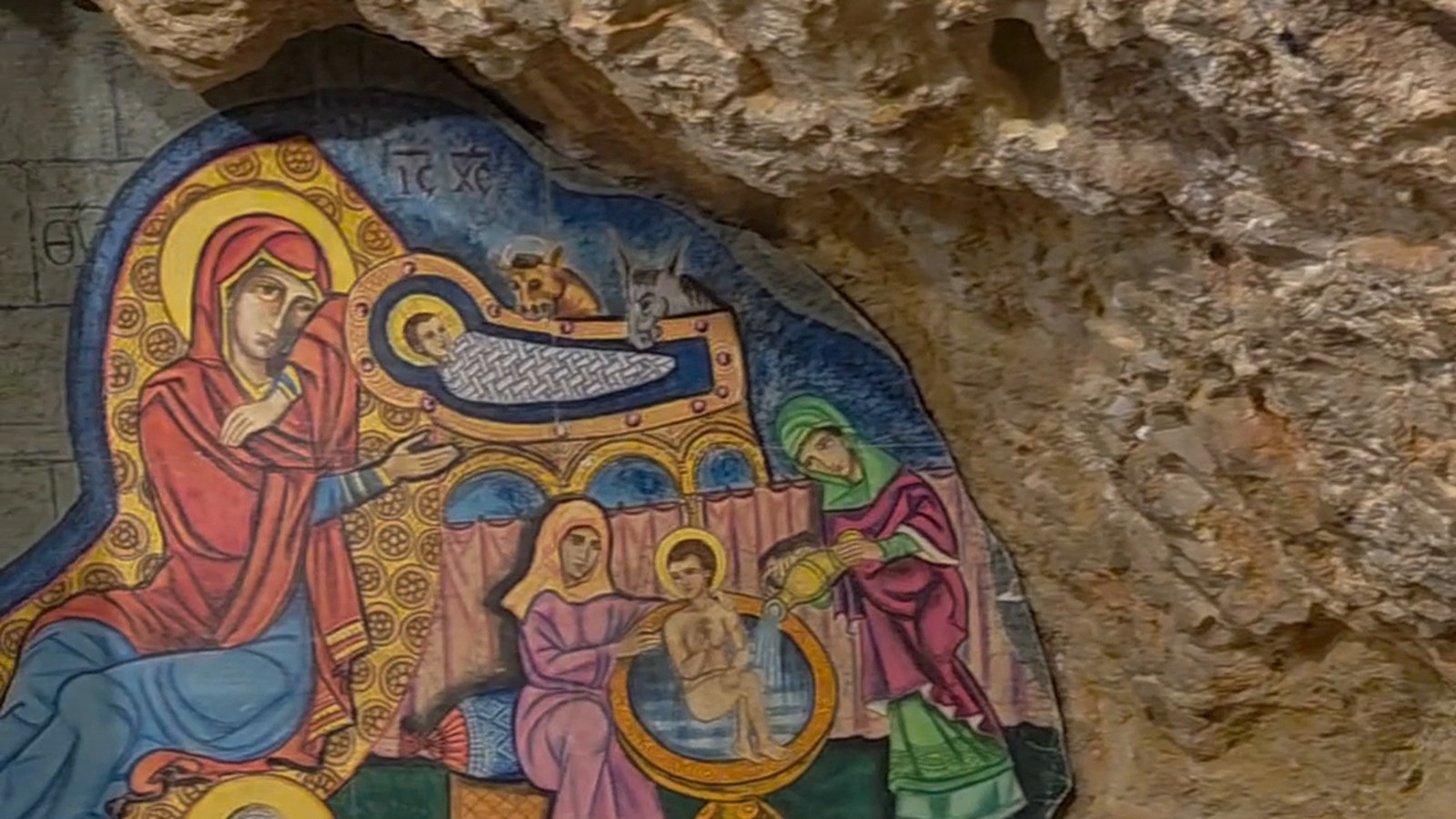
The Bethlehem Cave Where Pilgrims Eat the Walls
Steps from the Church of the Nativity, the Milk Grotto is a cave of soft white stone that Christians and Muslims quietly share — scraping the walls, mixing the dust into water, and praying for a child.

Twelve Nations in the Ceiling: The Layered History of the Church of All Nations
Twelve coats of arms hide in the ceiling of a Jerusalem church, and a ritual bath from the age of Herod lies beneath its floor. The Church of All Nations is Jerusalem’s contested history compressed into a few square metres of stone.
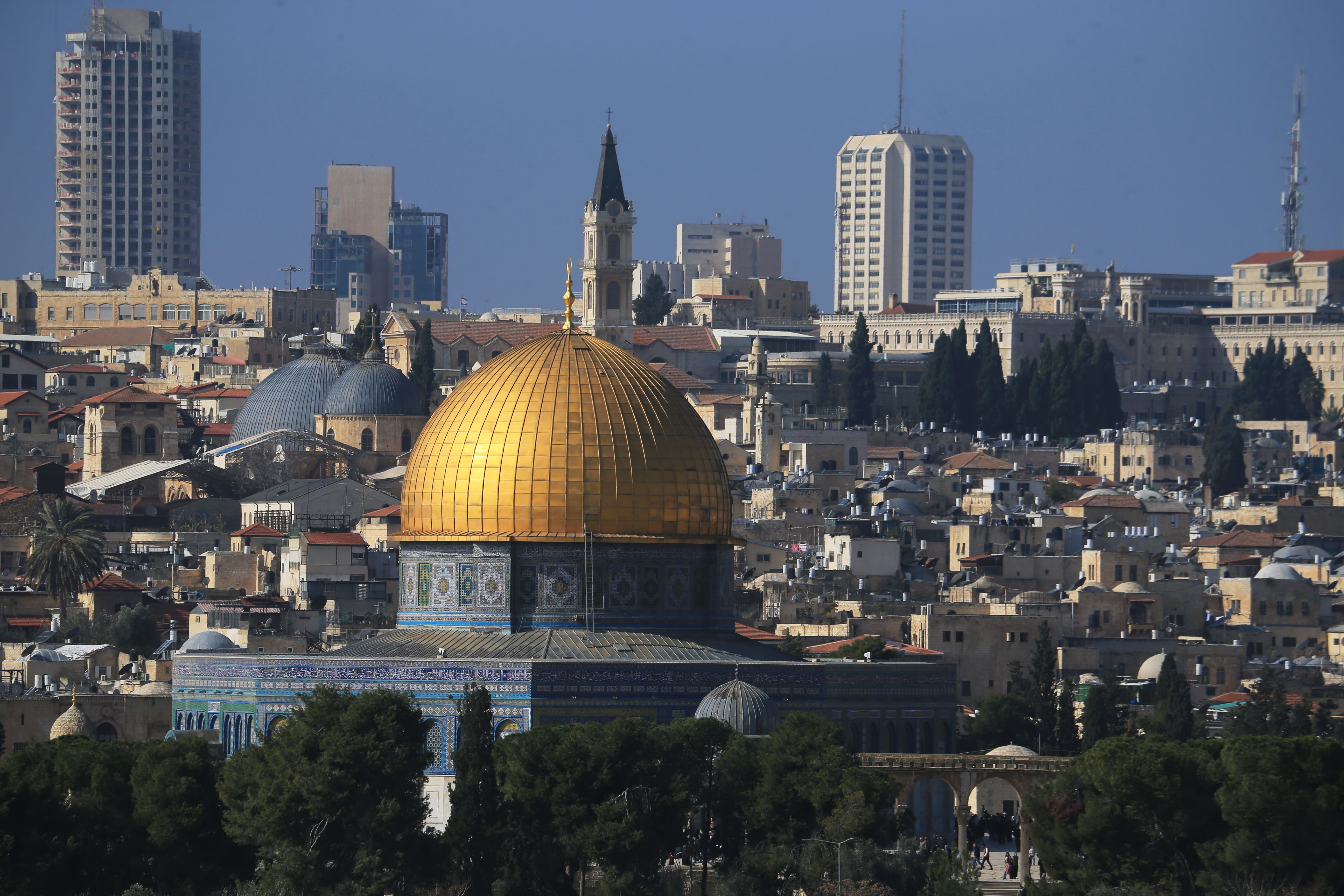
Jerusalem's Contested Skyline: Sovereignty, Symbolism, and the Status Quo
The "status quo" over Jerusalem's holy sites is often invoked and rarely explained. This analysis unpacks the arrangements, the actors, and the pressures that keep — or threaten — a fragile balance.
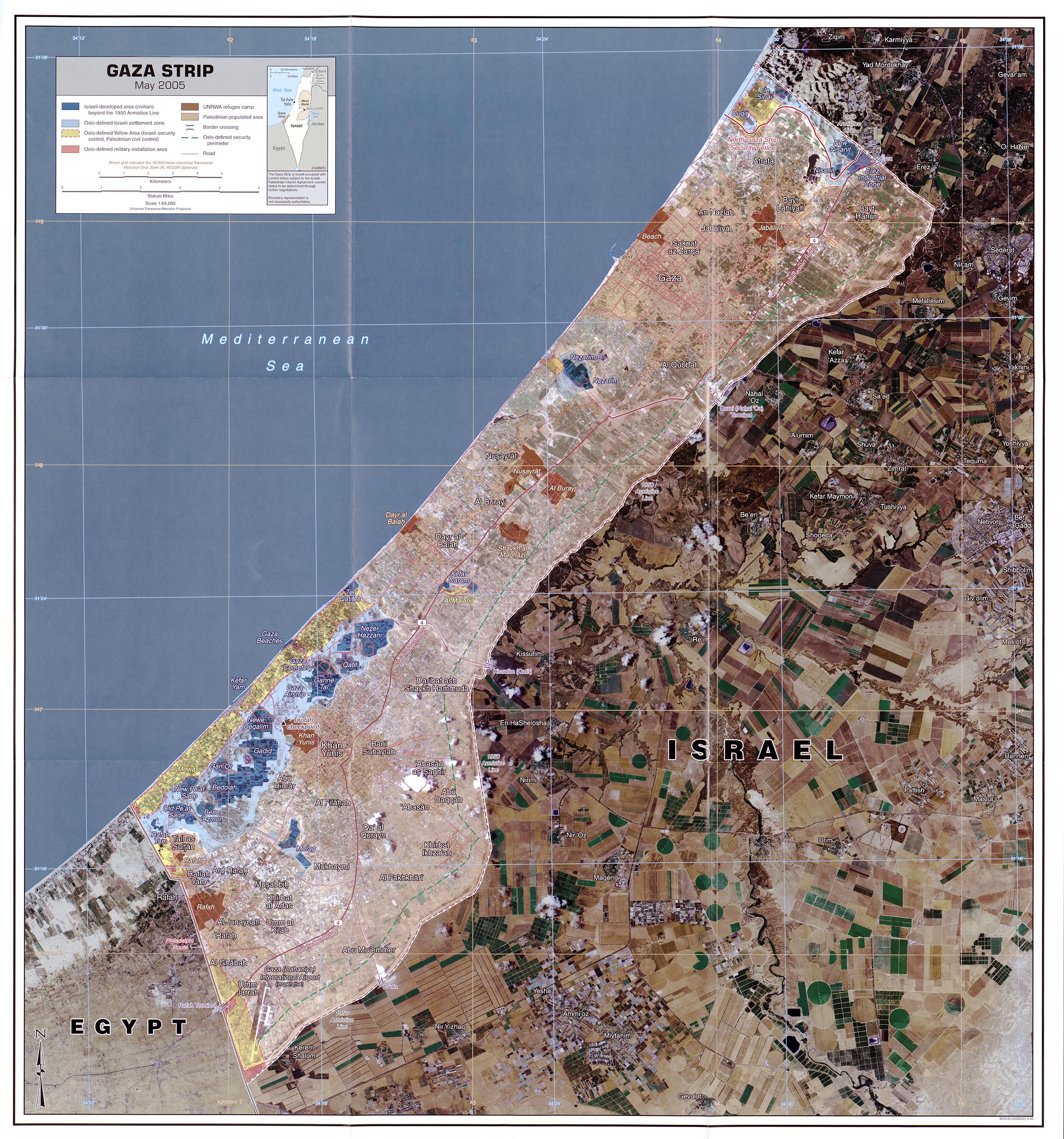
After the Ceasefire: What Reconstruction Reveals About Gaza's Future
Reconstruction timelines say as much about politics as engineering. This piece examines the actors, funding channels, and governance questions that will shape Gaza in the years ahead.
The Diplomacy of Deadlock: Reading the Latest Round of Talks
Every negotiation has a public script and a private one. This analysis reads the latest diplomatic round for what it reveals about leverage, timing, and the limits of mediation.
Lebanon's Fragile Recovery: Between Collapse and Reinvention
Lebanon's crises are so layered they resist simple narration. This analysis looks past the headlines at the institutions, informal economies, and external pressures shaping its uncertain recovery.
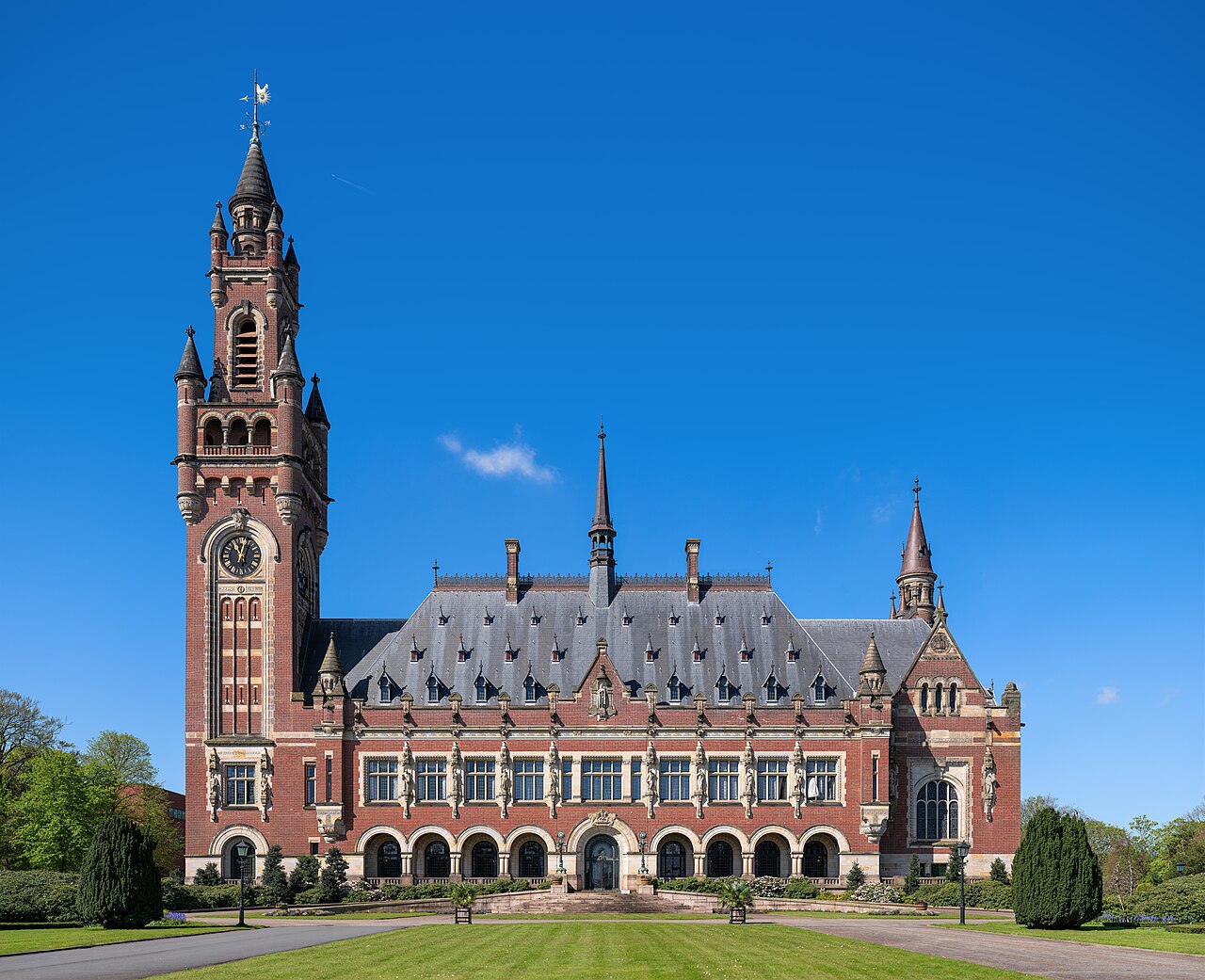
International Law at a Crossroads: The ICJ and the Limits of Enforcement
International rulings carry moral and legal weight — but enforcement is another matter. This piece examines the gap between judgment and compliance, and what it means for the region.