The Great Bond Dump
The US 10-year yield hit 5.34% at its peak, the highest since 2002. The Iran war lit the fuse, but the bond market is now charging more to governments with big deficits and shaky politics.
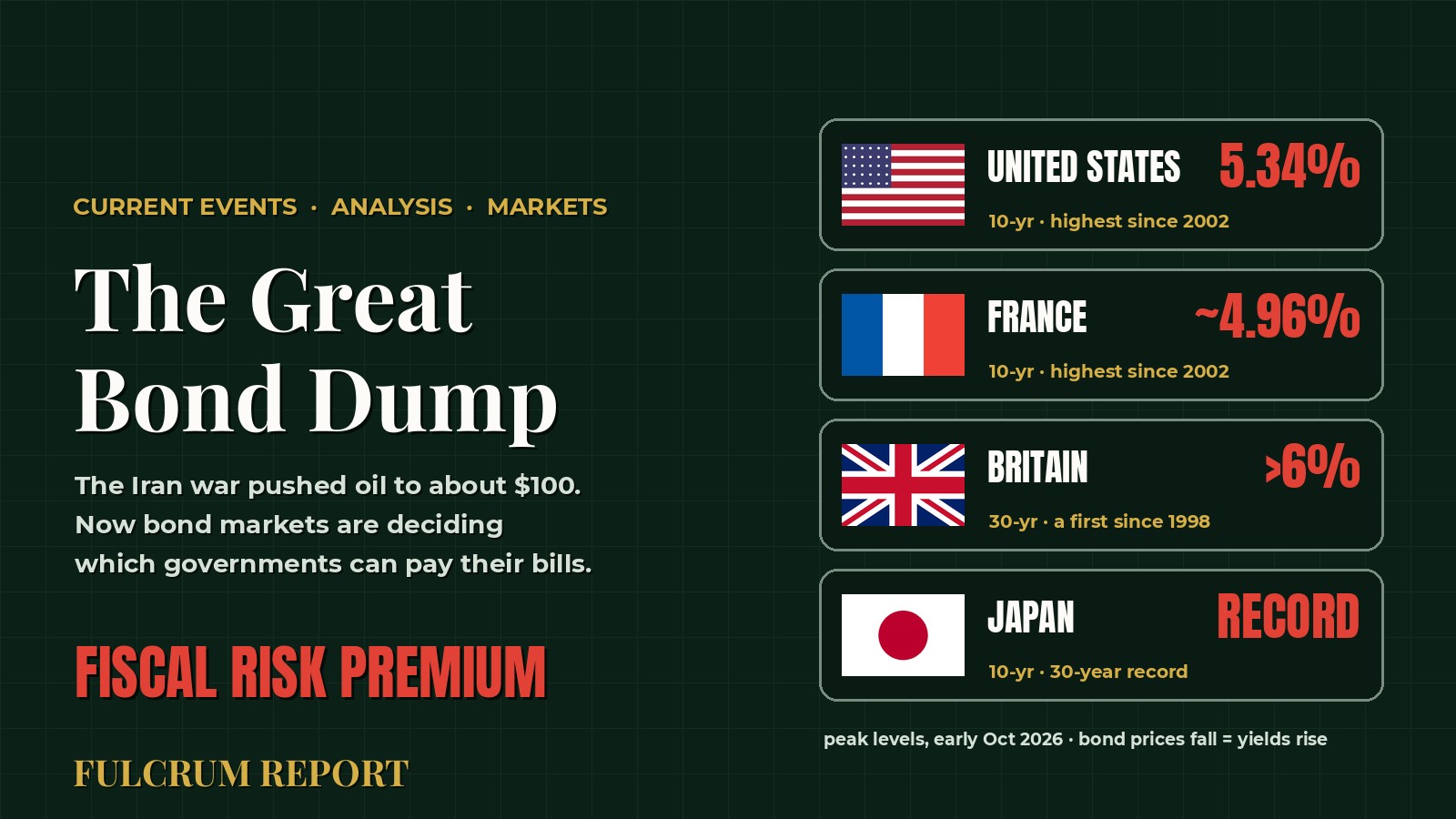
Most market stories don't get my attention. This one did, because of a single number: 5.34%. At its peak in early October, that's what the US 10-year Treasury yield reached, the highest since 2002. That yield is the rate the government pays to borrow for ten years, and nearly everything else in the economy is priced off it.
A quick note before going further: bond prices and yields move in opposite directions. When investors sell bonds, prices fall and yields rise. So when people say there's a sell-off in government debt, what you see is yields climbing.
It isn't just America
If this were only about Washington, you could blame the deficit and stop there. But it's happening almost everywhere at the same time. France's 10-year yield reached its highest level since 2002. Britain's 30-year gilt went above 6%, which hadn't happened since 1998. Japan, a country that spent decades with yields close to zero, now has a 10-year yield at levels not seen in about 30 years.
Some of those spikes reversed within hours, and these figures are peaks, not where yields sit every day. Still, the direction has held for months. US yields rose by roughly 87 basis points in the third quarter alone, which by some counts is the sharpest quarterly jump since 1994.
The trigger was the Iran war
The spark was the war with Iran. Before it started, Brent crude was trading a little above $70 a barrel. Now it's around $100. Oil runs through everything, from shipping and plastics to airfares and food, so a jump that big shows up in inflation before long. Investors who lend to governments for ten or thirty years want to be paid for that risk, so they ask for higher yields.
Then the market started choosing
This is the part I find most interesting. The early sell-off hit almost everyone. After that, as the Wall Street Journal reported, investors started picking winners and losers. US and German yields came back down from their peaks. French, Italian and Greek yields mostly stayed high.
Economists call this the fiscal risk premium. When inflation picks up, lenders get more careful about who they lend to, and they charge more to governments that run large deficits or can't seem to agree on a plan to fix them. It's the same logic a bank uses with any borrower: if your finances look shaky and your household is arguing about the budget, you pay a higher rate.
France is paying it now
France is the clearest example. The government has struggled to push spending cuts through a divided parliament, and its 2027 budget faces a tough fight. The gap between French and German borrowing costs is the widest it has been since the euro-crisis years. Markets aren't saying France can't pay. They're saying they want more compensation for the uncertainty.
The United States got some relief, which might seem odd for a country with more than $40 trillion in debt. Softer inflation data helped. Traders read it as making a second interest-rate hike this year less likely, and yields eased off the peak. That's a market reading, not a decision by the Federal Reserve, and it could change with the next data release. One chief investment officer told the Journal, "We would expect volatility to persist." I'd agree.
Why this matters off Wall Street
It's easy to treat bond yields as something only traders care about. They aren't. Mortgage rates follow the 10-year closely, and the average 30-year US mortgage rate is back above 7%. Business loans, car loans and credit card rates all tend to move with government borrowing costs. If you're trying to buy a house or expand a business, this sell-off has already reached you.
What I'll be watching
I'll be watching oil first. If Brent falls back toward $70, much of the pressure on yields should ease with it. I'll be watching France's budget negotiations, because a deal or a collapse there will show up in the spread with Germany right away. And I'll be watching US inflation reports, since a single hot number could undo the relief.
The bottom line
The war started as an oil shock. In the bond market, it has turned into a vote on which governments can pay their bills. So far, the US and Germany are passing and France is being asked to pay more.
Which country do you think is most at risk?

About the author
Fulcrum Report
Independent Middle East analyst holding a PhD in Political Science. Fulcrum Report offers rigorous, framework-driven coverage of politics and geopolitics across the Levant and the wider region — analysis without agenda.
Related reading
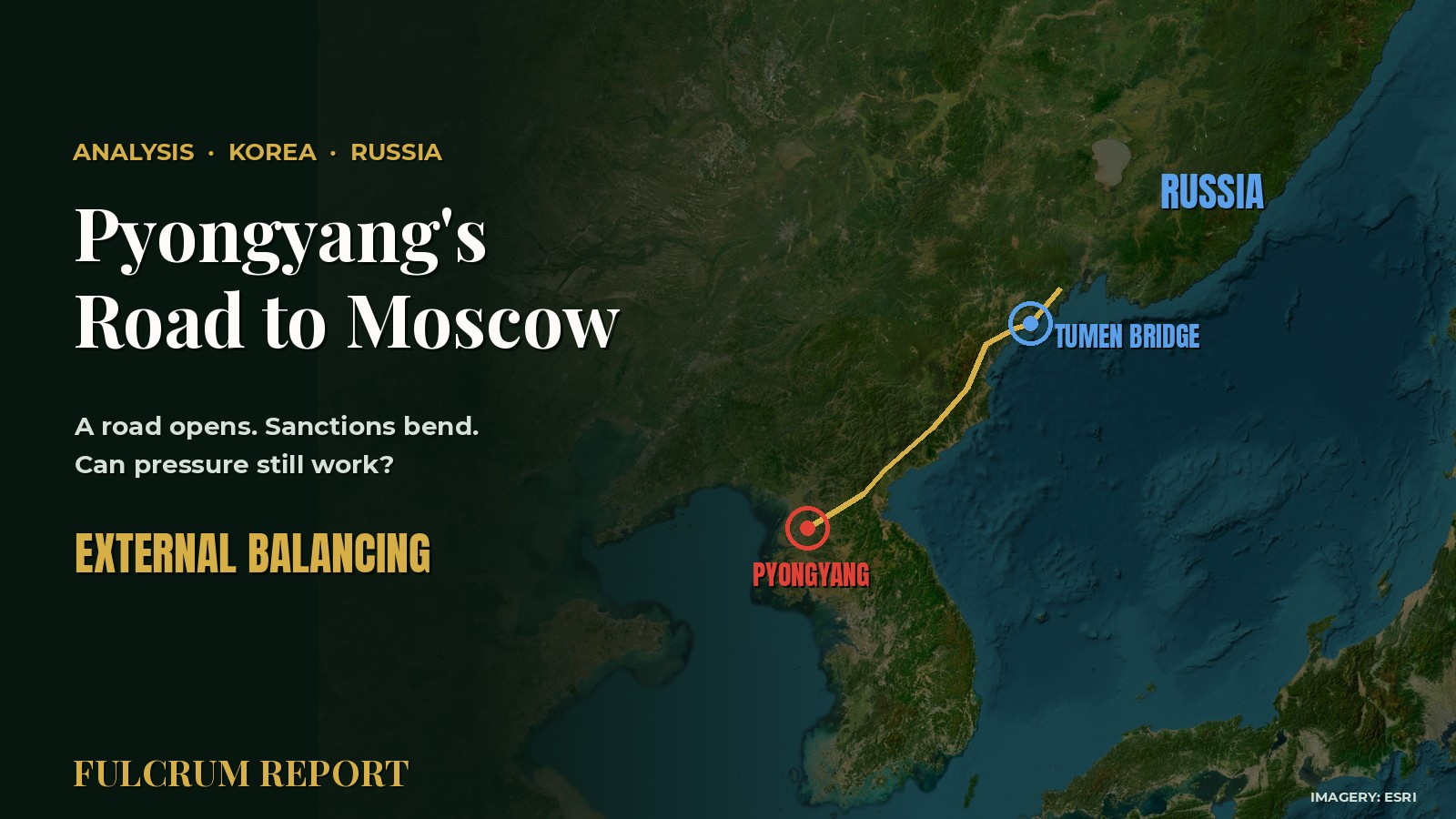
Pyongyang's Road to Moscow: Can Sanctions Still Work?
A second enrichment facility is reportedly going up at Yongbyon, and the Tumen River road bridge to Russia reportedly opened on September 8. When a major power offers a way around sanctions, how much pressure is left? An explainer on external balancing.
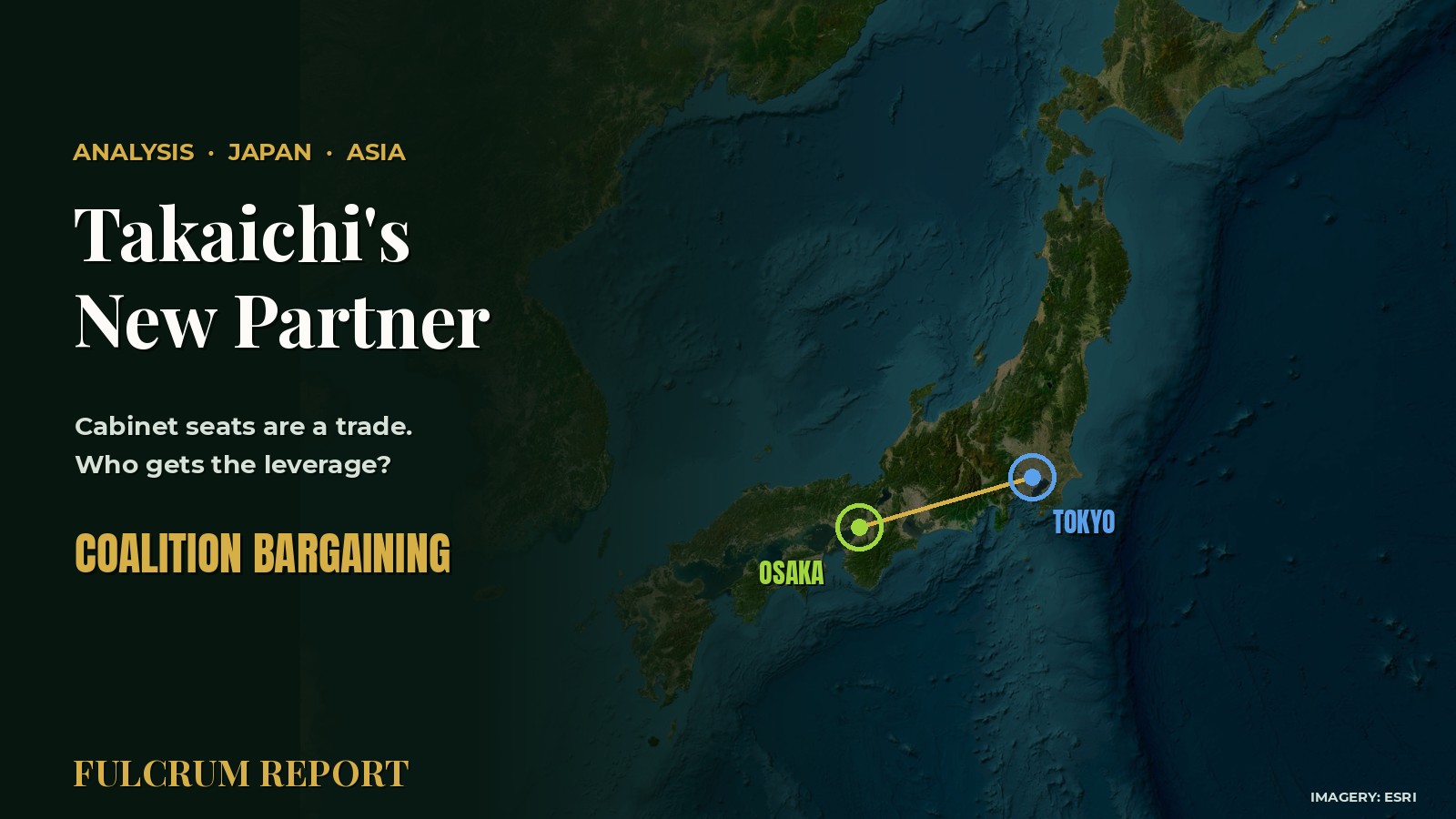
Takaichi's New Partner: Why Cabinet Seats Are a Trade
Sanae Takaichi reportedly reshuffled her cabinet on September 16 and 17, bringing in the Japan Innovation Party (Ishin) for the first time. Her camp holds two-thirds of the lower house but lacks an upper-house majority. A look at coalition bargaining and who gets the leverage.
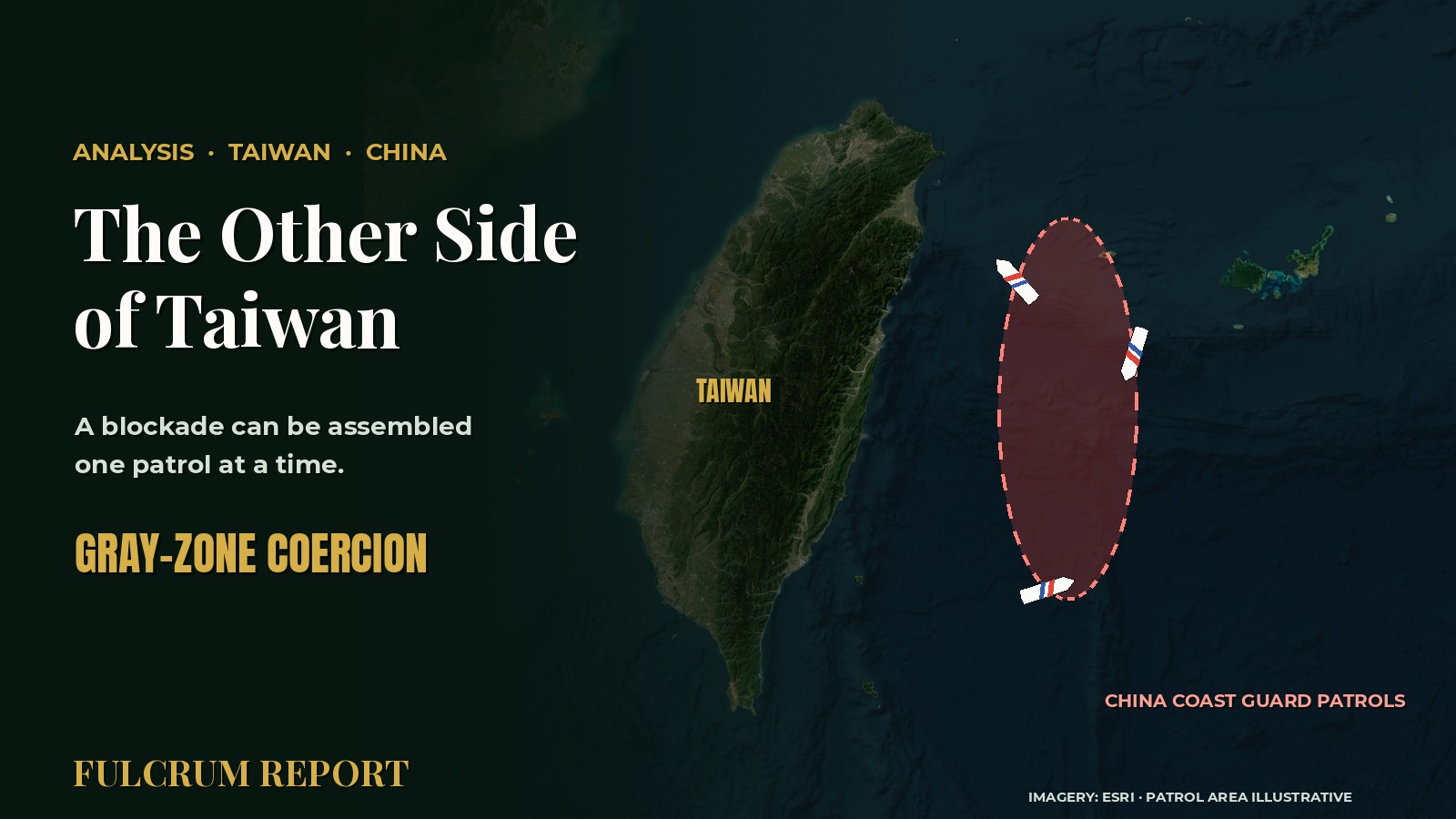
The Other Side of Taiwan: How a Blockade Gets Built Without Being Declared
China's Coast Guard has reportedly set up a regular presence east of Taiwan, framed as law enforcement, while a $14 billion U.S. arms package is pending. A look at gray-zone coercion, salami tactics and escalation control.