Jerusalem's Contested Skyline: Sovereignty, Symbolism, and the Status Quo
Why the arrangements governing the Old City remain the region's most delicate equilibrium.
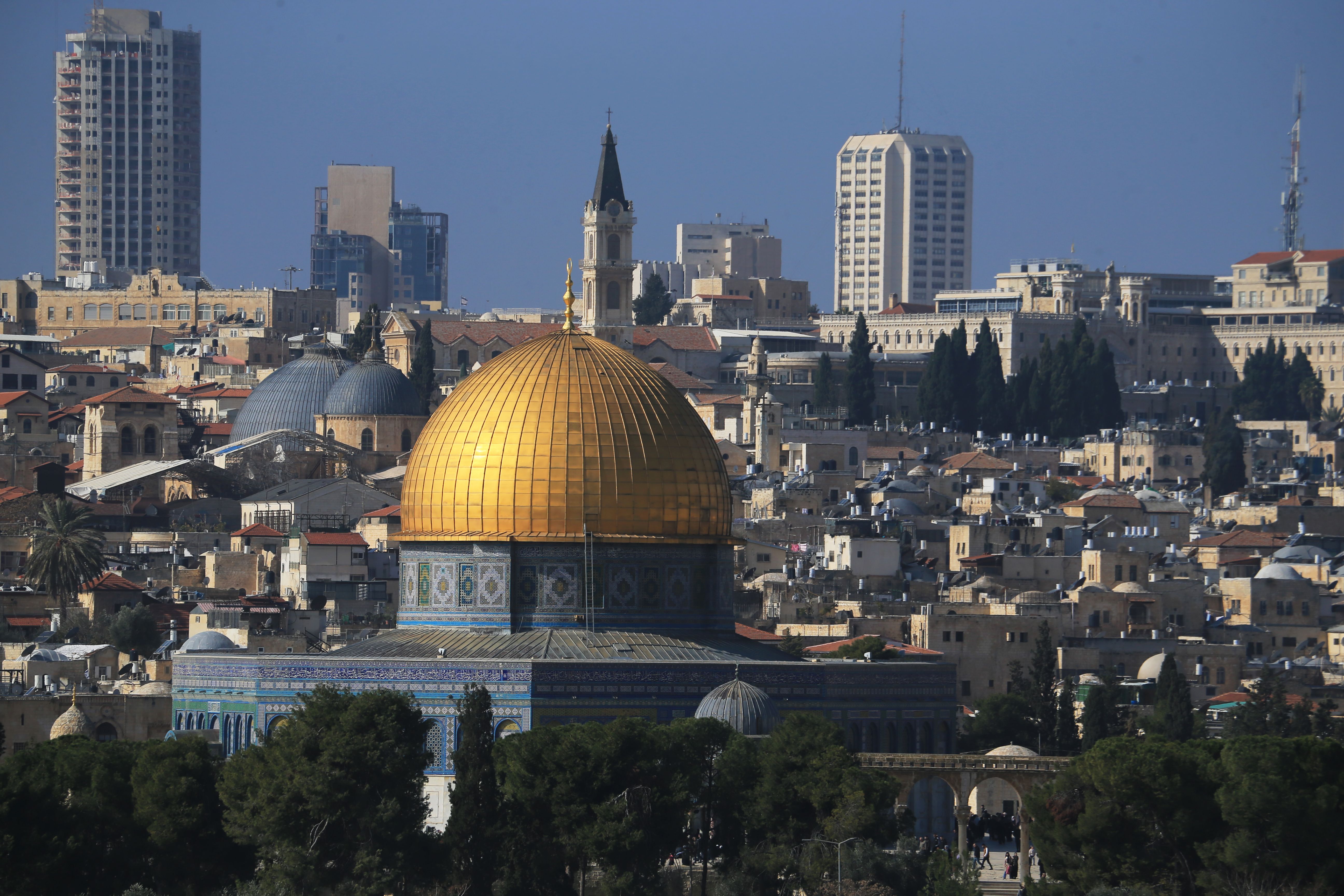
Few phrases in Middle East diplomacy carry as much weight, and as little clarity, as "the status quo." In Jerusalem it refers to a set of understandings governing access and authority over contested holy sites.
To understand its fragility, one has to separate the legal, religious, and political layers that overlap in the Old City. Each responds to different incentives, and each can be destabilized independently of the others.
This analysis traces how routine decisions — over access hours, renovations, or policing — can acquire outsized symbolic meaning, and why small changes are read as signals far beyond the walls.

About the author
Fulcrum Report
Independent Middle East analyst holding a PhD in Political Science. Fulcrum Report offers rigorous, framework-driven coverage of politics and geopolitics across the Levant and the wider region — analysis without agenda.
Related reading

Takaichi's New Partner: Why Cabinet Seats Are a Trade
Sanae Takaichi reportedly reshuffled her cabinet on September 16 and 17, bringing in the Japan Innovation Party (Ishin) for the first time. Her camp holds two-thirds of the lower house but lacks an upper-house majority. A look at coalition bargaining and who gets the leverage.
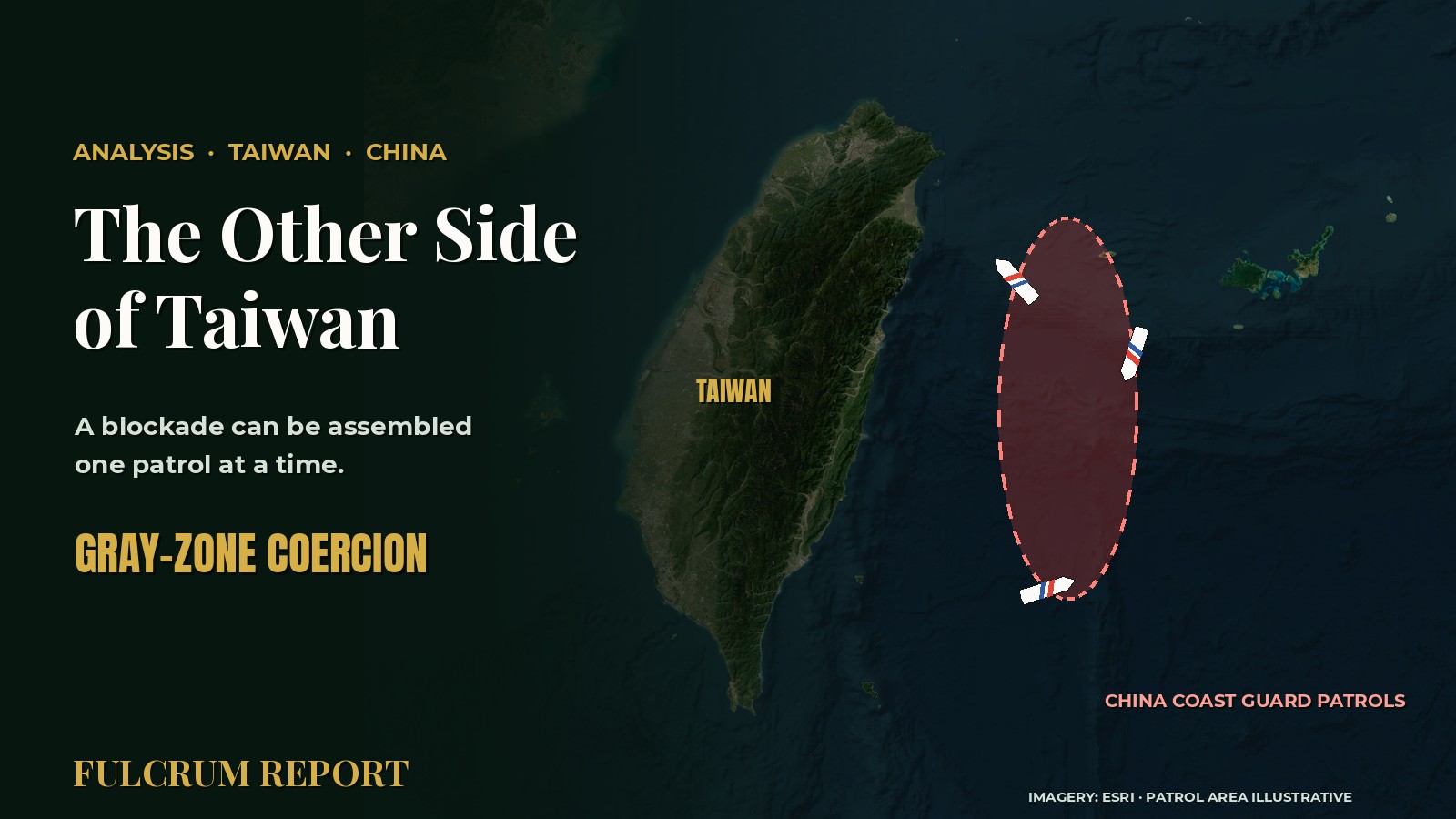
The Other Side of Taiwan: How a Blockade Gets Built Without Being Declared
China's Coast Guard has reportedly set up a regular presence east of Taiwan, framed as law enforcement, while a $14 billion U.S. arms package is pending. A look at gray-zone coercion, salami tactics and escalation control.
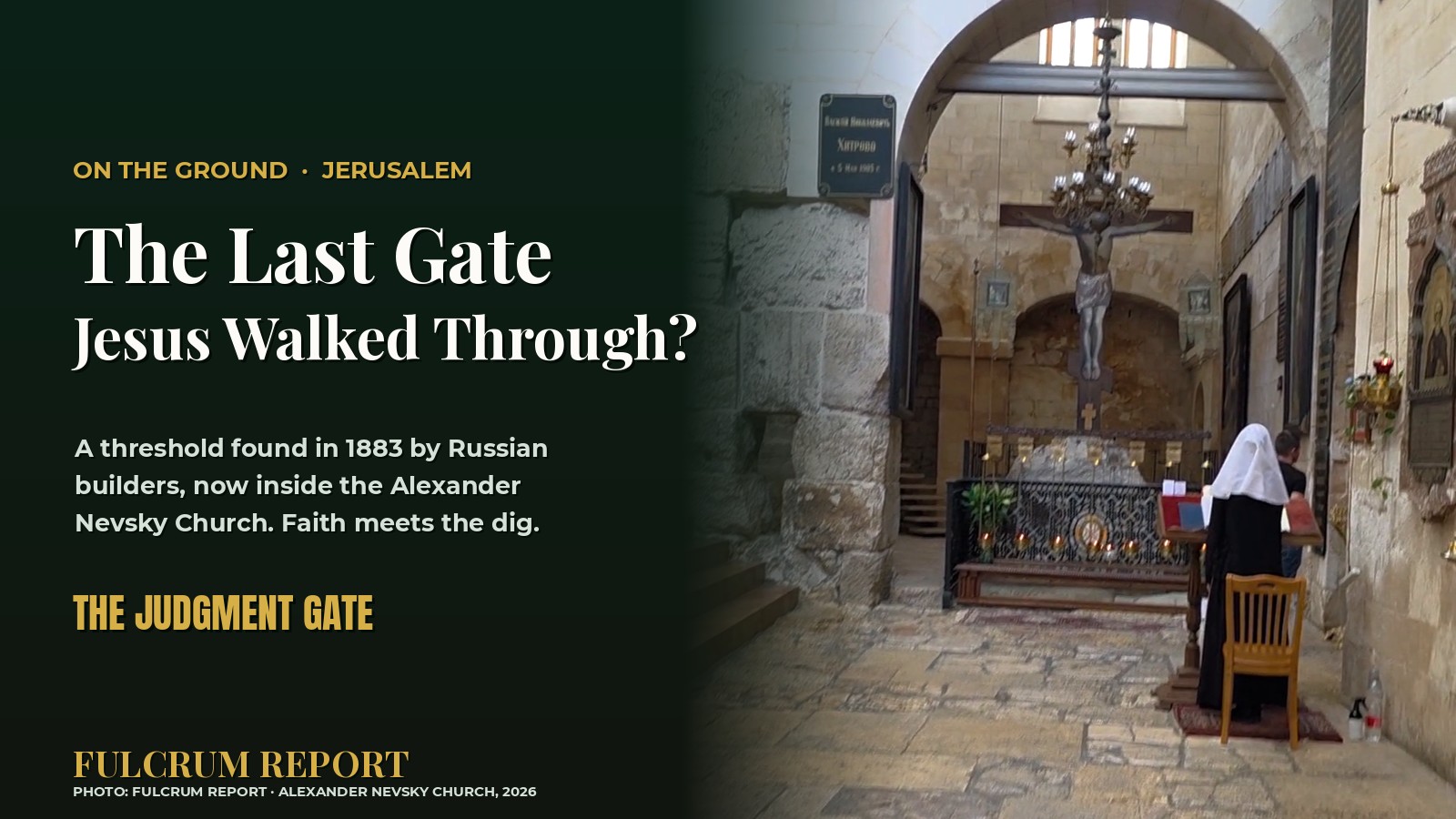
The Last Gate Jesus Walked Through?
The Threshold of the Judgment Gate, the "Eye of the Needle" and Constantine’s lost front door, inside Jerusalem’s Alexander Nevsky Church.