The Bethlehem Cave Where Pilgrims Eat the Walls
At the Milk Grotto, Christians and Muslims share a shrine — and a small ritual of chalk, prayer, and hope.
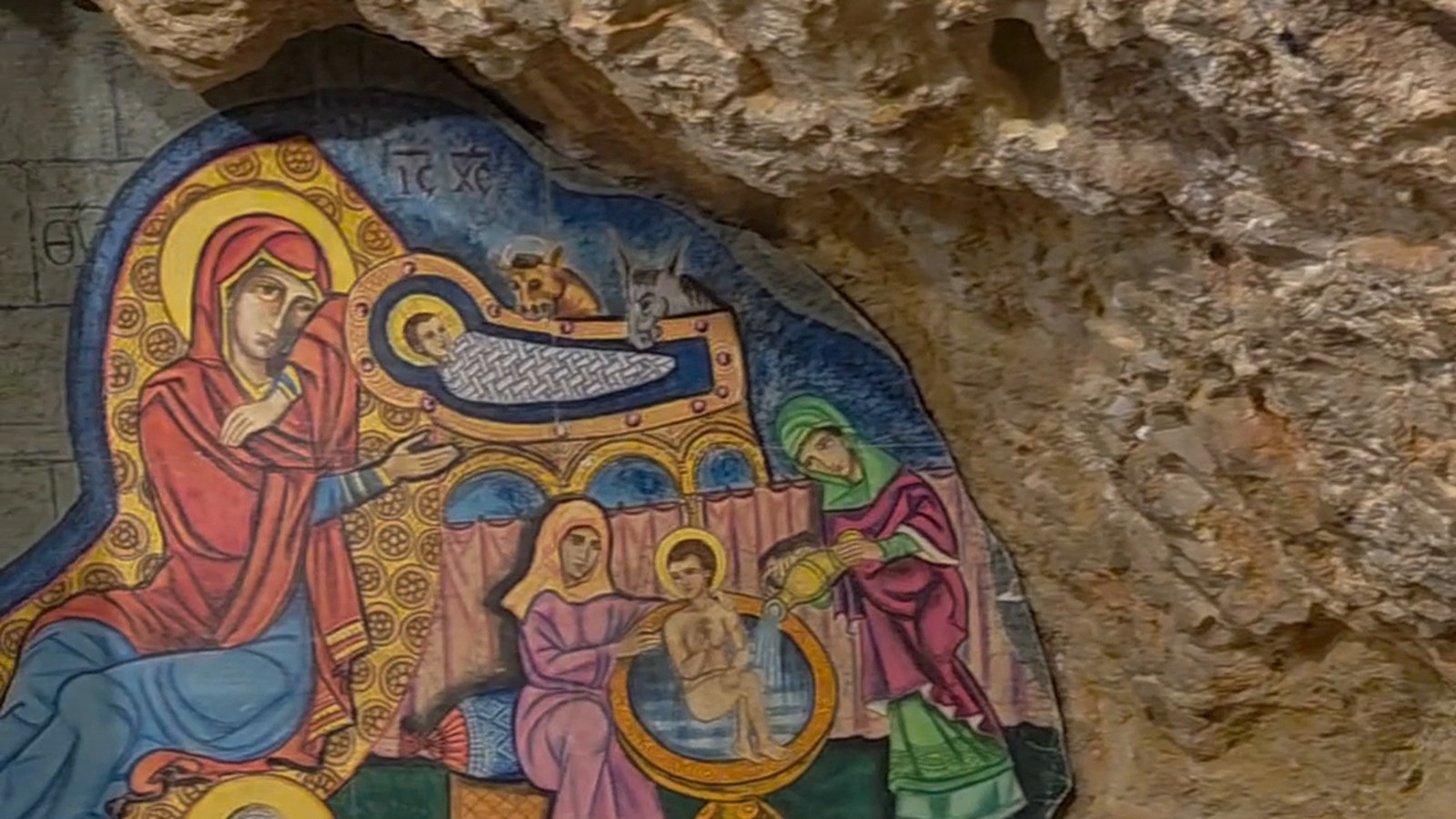
A few hundred metres from the Church of the Nativity, down a quiet Bethlehem lane, there is a cave where the walls are soft and white as chalk — and where, for centuries, pilgrims have quietly scraped them, mixed the dust into water, and swallowed it. The place is called the Milk Grotto, or in Arabic Magharet Sitti Mariam, the Grotto of the Lady Mary. It is one of the strangest and most tender corners of the Holy Land, and one of the few where the usual dividing lines of the region seem, for a moment, to dissolve.
The story attached to the grotto is intimate rather than epic. Christian tradition holds that the Holy Family sheltered here during the Massacre of the Innocents, in the frightened hours before their flight into Egypt. As Mary nursed the infant Jesus, the legend goes, a drop of her milk fell onto the stone — and the rock, once reddish, turned the creamy white it remains today. The cave's naturally pale, soft limestone gave the miracle a body you can touch, and the name has stuck for well over a thousand years.
Belief here is not abstract. The signature devotion of the Milk Grotto is the 'milk powder': fine white dust taken from the limestone and pressed into small paper packets, which the Franciscan friars hand to visitors free of charge. Couples struggling to conceive, or mothers unable to nurse, dissolve a pinch in water or milk and drink it while praying to Mary for a child. Expectant women sometimes tuck a packet beneath the mattress. It is a very old, very physical kind of faith — the sort that wants something in the hand, not only in the heart.
The friars keep the evidence of that faith in their offices: walls and folders thick with letters, photographs, and thank-you notes from families in Brazil, India, the Philippines, the United States, and across the Arab world, each crediting a longed-for baby to a prayer said in the cave. Skeptics have an easy answer — selection bias, they note, means the couples who succeed write in, while the many who do not stay silent, and 'Virgin's milk' relics were scattered across medieval Europe long before anyone measured their effects. The friars tend not to argue the science. The powder, they say, is not magic; it is a way of praying with your body as well as your words.
What makes the grotto genuinely remarkable, though, is who comes. Both Christians and Muslims visit to pray here, drawn by a shared reverence for Mary — Maryam, honoured in the Qur'an as few women are. In a landscape where holy places are so often flashpoints, contested metre by metre, the Milk Grotto is that rare thing: a shrine two faiths quietly share, over a hope as ordinary and as universal as wanting a child. Popular devotion, it turns out, crosses borders that politics almost never does.
The cave has been venerated for a very long time. Pilgrims were coming by at least the fourth century, and the earliest structure on the site dates to around 385. Beneath and beside today's chapel lie the remains of a fifth-century Byzantine church, whose mosaic floor still surfaces in the courtyard; over the centuries the sanctuary was known by other names, including the Church of Saint Paula and the Church of Saint Nicholas. The chapel visitors see now was raised in 1872 by the Franciscan Custody of the Holy Land, the order that has looked after Bethlehem's Christian sites for generations, and the upper church was enlarged in 2007 to take the growing crowds.
Layers keep accumulating. A community of the Sisters of Perpetual Adoration lives beside the grotto, and since 2016 they have kept a round-the-clock vigil for peace, centred on a 'Queen of Peace' tabernacle by the Polish artist Mariusz Drapikowski — a work first intended for the Via Dolorosa and rerouted here so the prayer would never stop. It is a fitting instinct for a place whose whole meaning is continuity: one cave, one soft white wall, worn smooth by centuries of hands reaching for the same small mercy.
That is the quiet argument of the Milk Grotto, and the reason it is worth pausing over in a region defined so often by its fractures. Underneath the headlines about Bethlehem — the checkpoints, the shrinking Christian population, the tourism that comes and goes with the news cycle — there is a cave where people of different faiths kneel over the same stone and ask for the same thing. It will not resolve any conflict. But it is a reminder that the Holy Land is not only a map of divisions. Sometimes it is a shared wall, worn white, and a shared hope pressed into a paper packet.
About the author
Fulcrum Report
Independent Middle East analyst holding a PhD in Political Science. Fulcrum Report offers rigorous, framework-driven coverage of politics and geopolitics across the Levant and the wider region — analysis without agenda.
Related reading
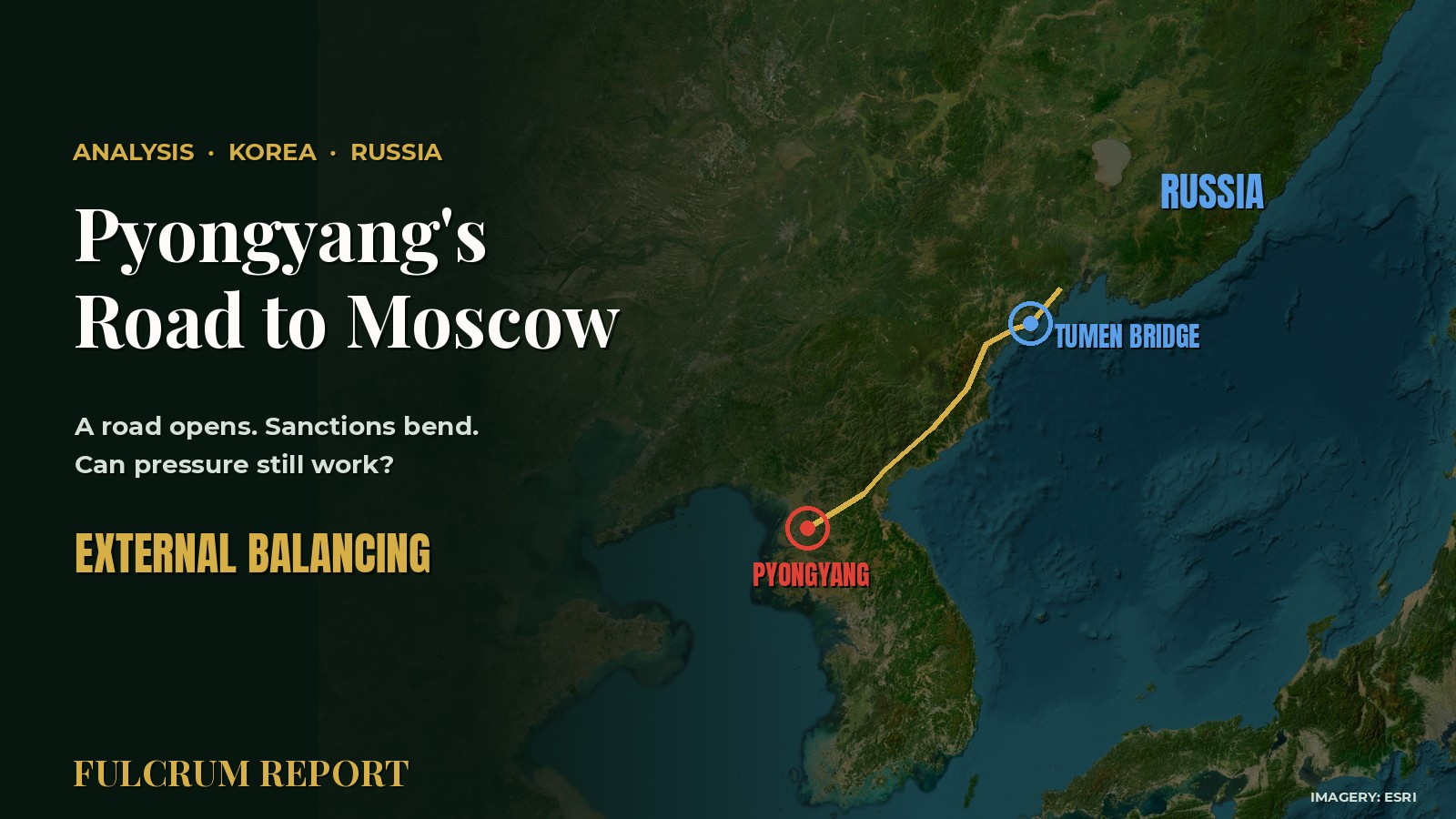
Pyongyang's Road to Moscow: Can Sanctions Still Work?
A second enrichment facility is reportedly going up at Yongbyon, and the Tumen River road bridge to Russia reportedly opened on September 8. When a major power offers a way around sanctions, how much pressure is left? An explainer on external balancing.
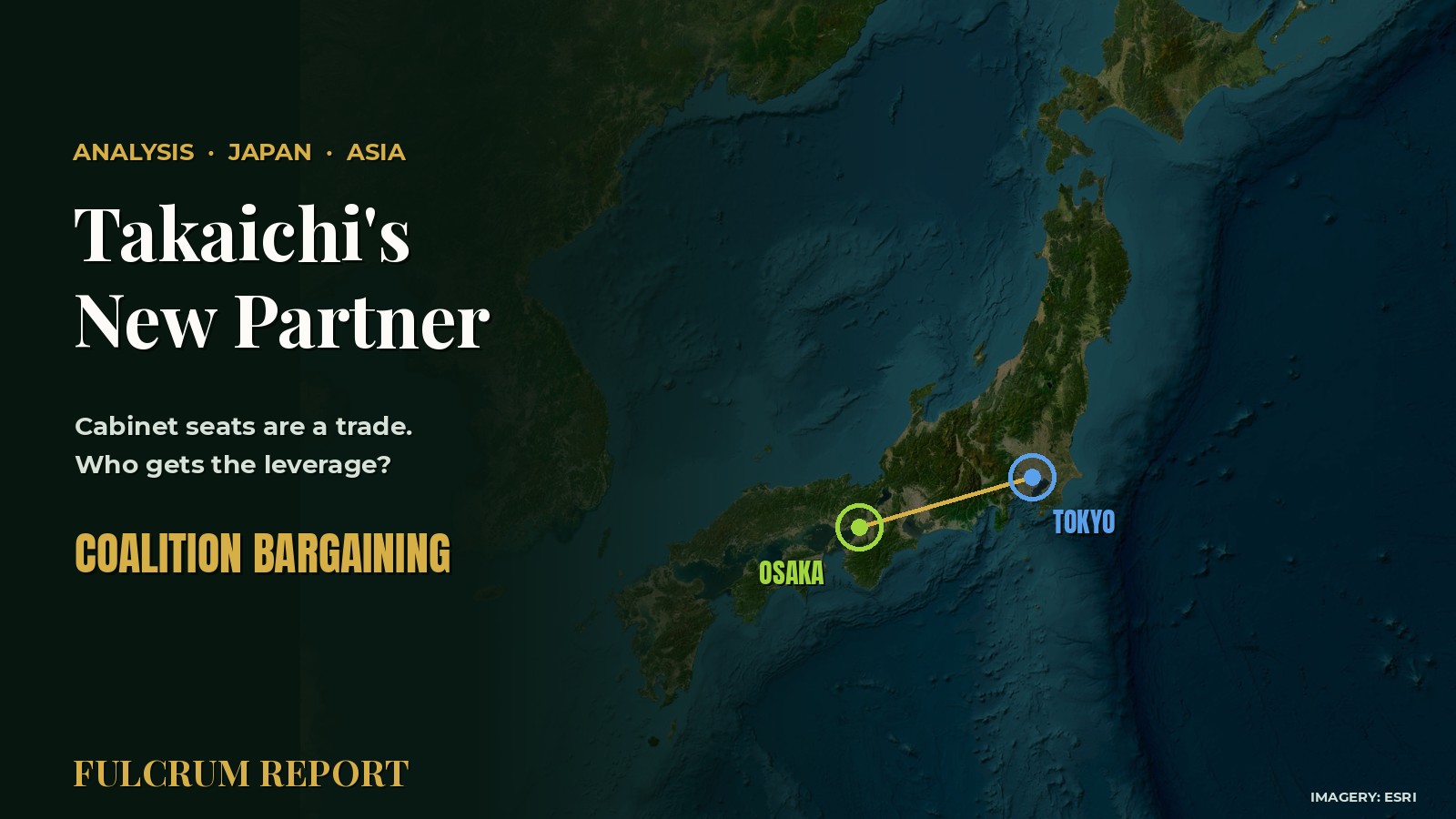
Takaichi's New Partner: Why Cabinet Seats Are a Trade
Sanae Takaichi reportedly reshuffled her cabinet on September 16 and 17, bringing in the Japan Innovation Party (Ishin) for the first time. Her camp holds two-thirds of the lower house but lacks an upper-house majority. A look at coalition bargaining and who gets the leverage.
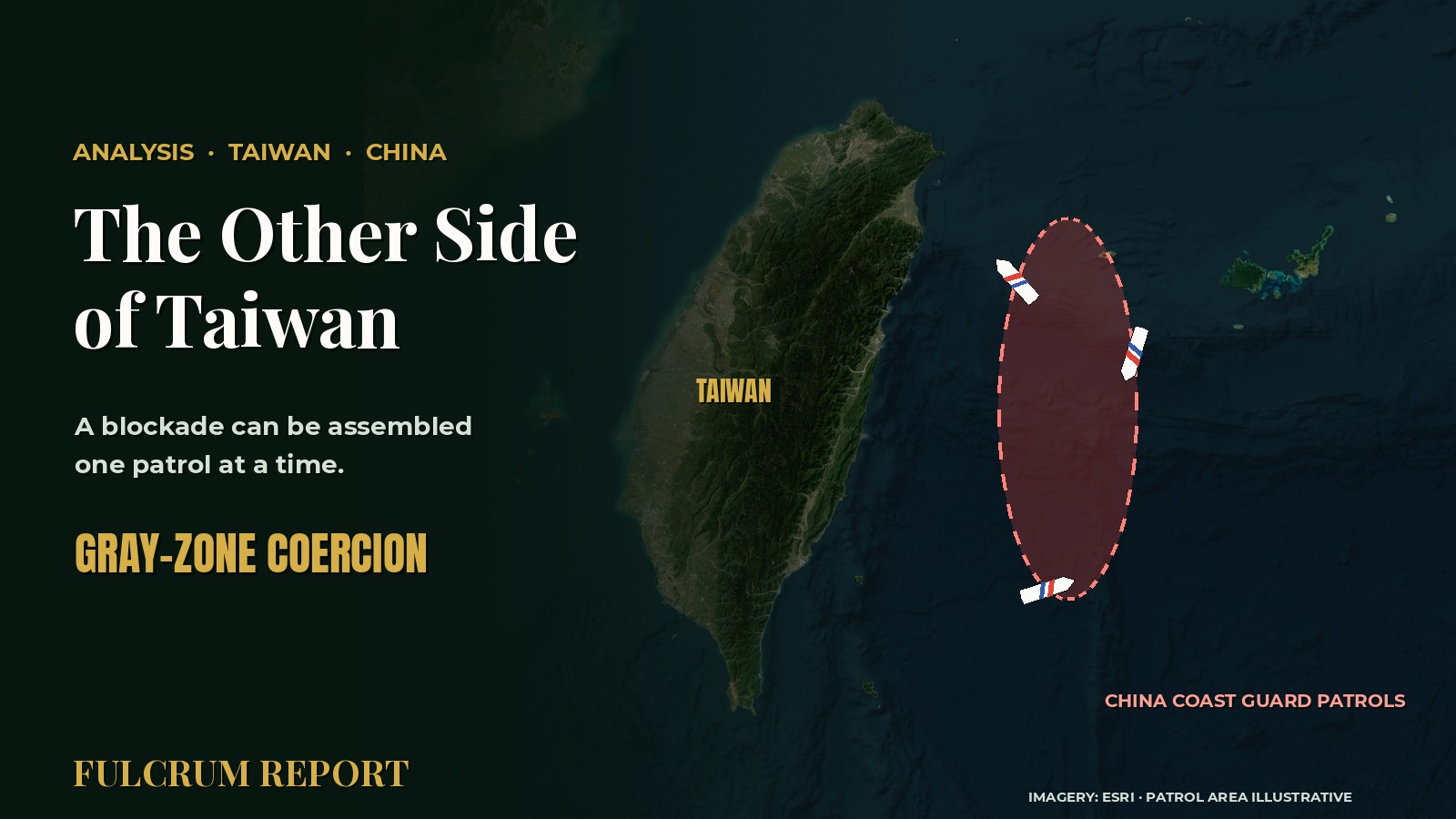
The Other Side of Taiwan: How a Blockade Gets Built Without Being Declared
China's Coast Guard has reportedly set up a regular presence east of Taiwan, framed as law enforcement, while a $14 billion U.S. arms package is pending. A look at gray-zone coercion, salami tactics and escalation control.