The Jerusalem Crypt Saladin Refused to Destroy
Forty-seven steps beneath the Kidron Valley, five churches and one Muslim prayer niche share the Tomb of the Virgin Mary.
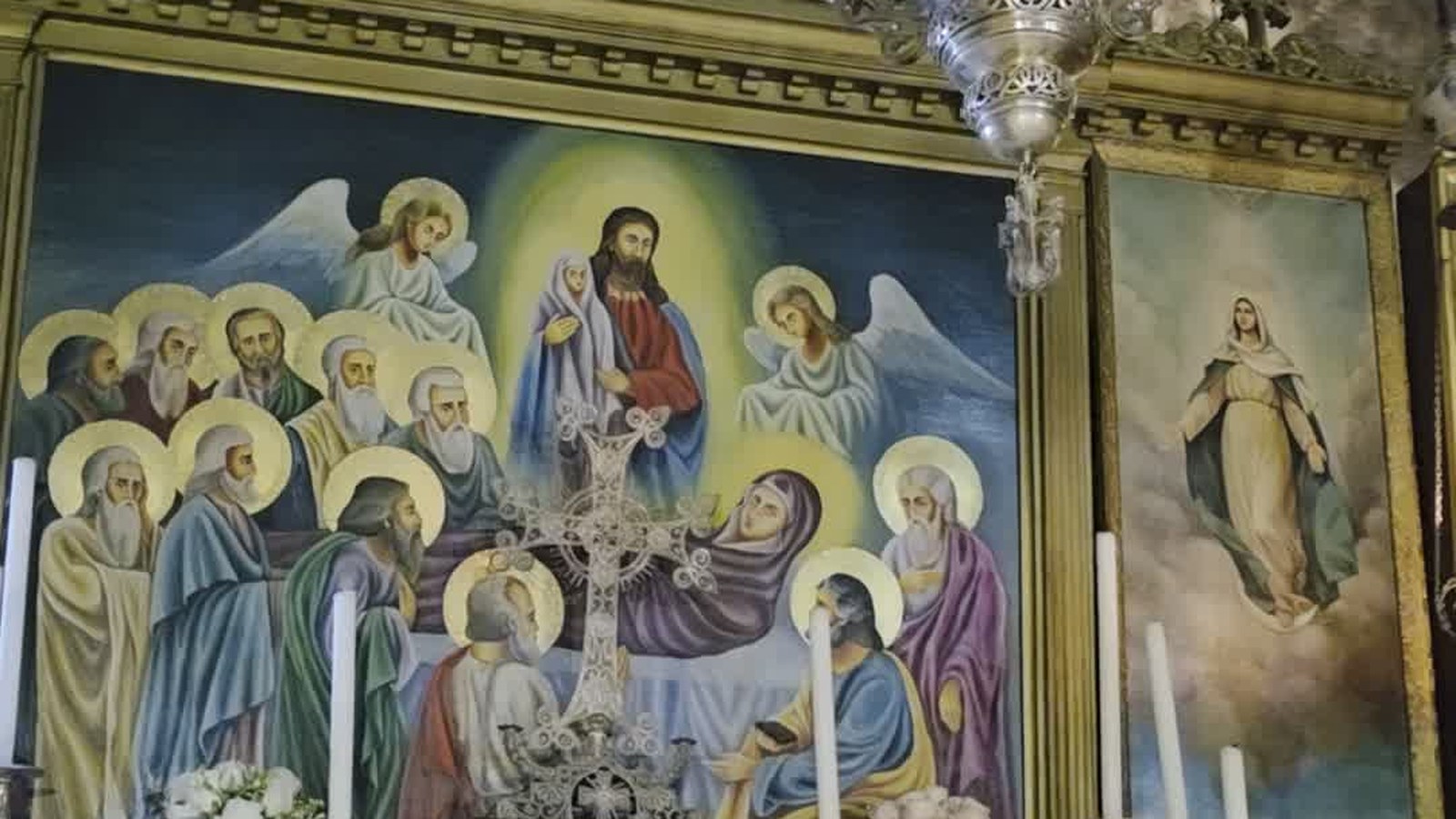
Descend forty-seven worn stone steps into the darkness at the foot of the Mount of Olives, and you arrive at one of the oldest continuously venerated sites in Christendom: the Tomb of the Virgin Mary. Carved into the rock of the Kidron Valley, the crypt has drawn pilgrims for the better part of two thousand years. Yet its real significance is not simply age — it is what the tomb reveals about how faiths learn to share, and to spare, one another's holy ground.
## A tomb older than the church around it
The earliest Christians in Jerusalem identified this spot as the burial place of Mary, the mother of Jesus. The New Testament gives no account of her death, but Eastern Christian tradition teaches the Dormition — that Mary "fell asleep" and was laid here by the apostles, after which her tomb was found empty. By the fifth century the Byzantine emperor Marcian had raised an octagonal church over the site. Persian armies razed it in 614. The Crusaders rebuilt it in the twelfth century as the Abbey of Saint Mary of Jehoshaphat, and it was they who cut the monumental staircase that still delivers visitors down into the gloom today.
## The conqueror who left it standing
In 1187 Saladin retook Jerusalem from the Crusaders. He demolished the great church that stood above the crypt, carting its cut stone away to repair the walls of the city. But he stopped at the entrance to the tomb itself. The crypt was left untouched.
The reason lies in the Quran. Mary — Maryam — is the only woman named in the entire Muslim scripture, honoured as among the most righteous of all people and the mother of the prophet Jesus. To Saladin, destroying her resting place was unthinkable. A Muslim prayer niche, a mihrab, was installed on the south wall of the shrine, and it remains there still — a permanent marker of Islamic devotion inside a Christian sanctuary.
## Five churches, one altar
Walk the crypt and you are moving through a carefully negotiated map of custody. The tomb sits inside a small rock-cut edicule that deliberately echoes the shape of Christ's tomb in the Church of the Holy Sepulchre. Around it, the Greek Orthodox and the Armenian Apostolic churches hold the primary rights, while the Syriac, Coptic, and Ethiopian churches retain lesser, jealously guarded privileges. Flanking the descending staircase are two smaller chapels: one traditionally honouring Joseph, Mary's husband, and the other her parents, Joachim and Anne.
This arrangement is not improvised. It is governed by the Status Quo — the same rigid, unwritten framework of rights and schedules that regulates the Holy Sepulchre and the Church of the Nativity in Bethlehem. Formalised by Ottoman decree in the mid-nineteenth century and later acknowledged in European treaties, the Status Quo freezes each community's privileges exactly as they stood, precisely because any change risks conflict. Here, that means five Christian denominations and a Muslim niche coexisting in a single underground room.
## Why a crypt still matters
It is tempting to file the Tomb of the Virgin Mary under religious curiosity. That would be a mistake. Sites like this are where the abstractions of geopolitics become physical — where competing claims to Jerusalem are measured not in speeches but in who holds the key, who lights which lamp, and who is permitted to pray where. The crypt endures not because the communities that share it agree, but because they have built a fragile architecture of restraint around their disagreement.
Saladin's decision to spare the tomb was, in its way, an early act of that same restraint. More than eight centuries later, in a city where sacred stone is still fought over street by street, the quiet cavern beneath the Kidron Valley remains a rare place where faith crosses every line — and holds.
About the author
Fulcrum Report
Independent Middle East analyst holding a PhD in Political Science. Fulcrum Report offers rigorous, framework-driven coverage of politics and geopolitics across the Levant and the wider region — analysis without agenda.
Related reading
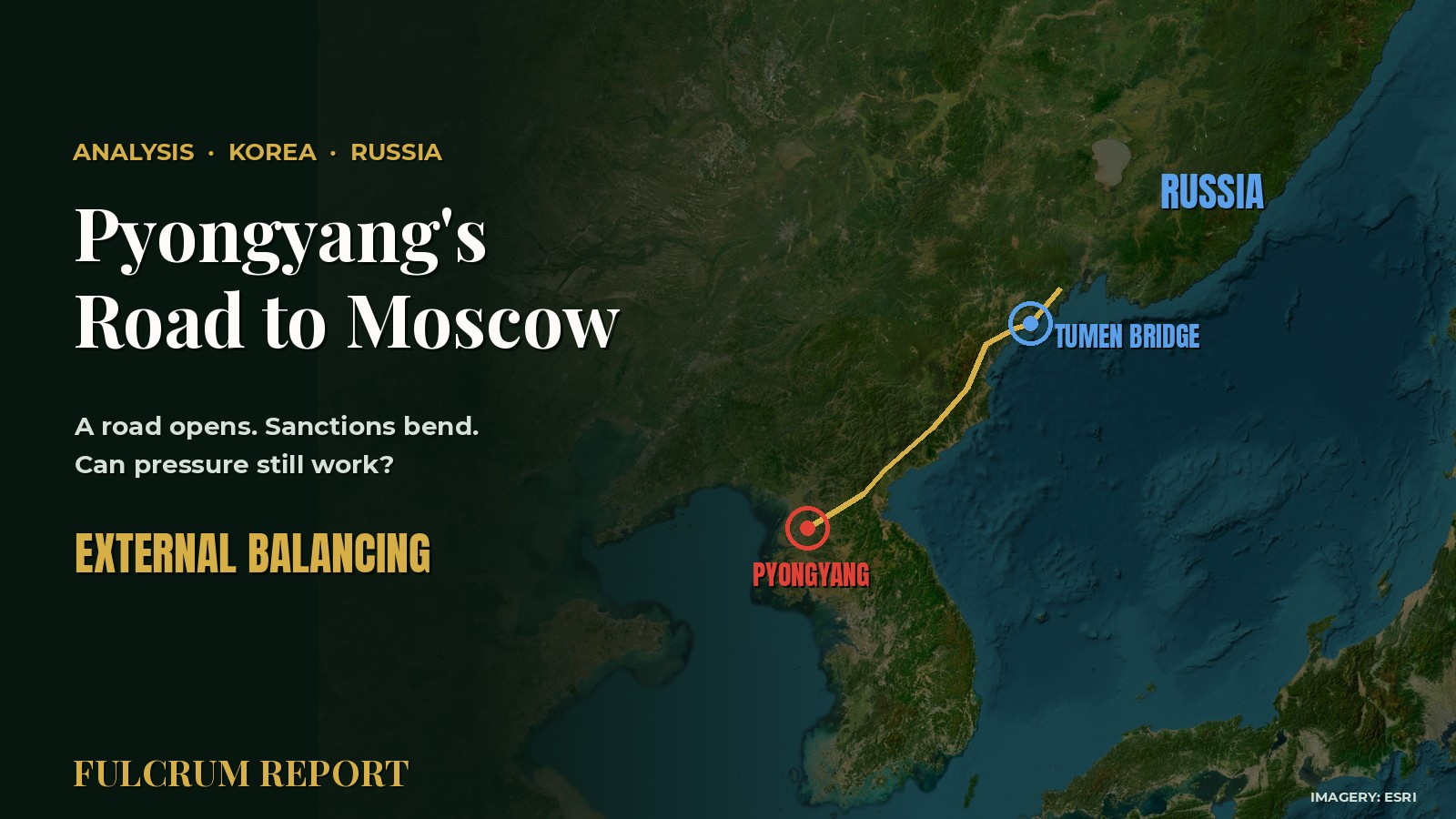
Pyongyang's Road to Moscow: Can Sanctions Still Work?
A second enrichment facility is reportedly going up at Yongbyon, and the Tumen River road bridge to Russia reportedly opened on September 8. When a major power offers a way around sanctions, how much pressure is left? An explainer on external balancing.
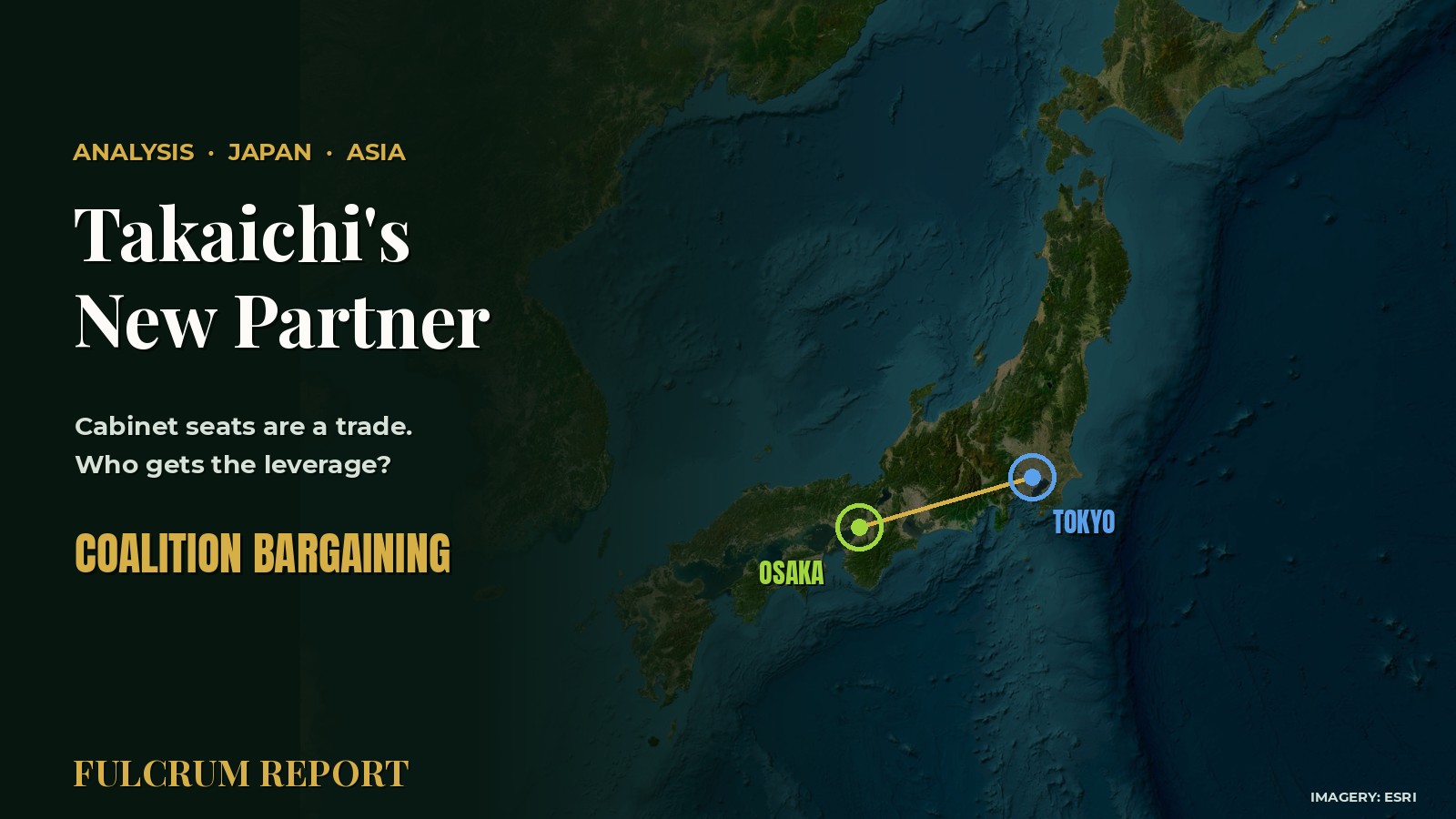
Takaichi's New Partner: Why Cabinet Seats Are a Trade
Sanae Takaichi reportedly reshuffled her cabinet on September 16 and 17, bringing in the Japan Innovation Party (Ishin) for the first time. Her camp holds two-thirds of the lower house but lacks an upper-house majority. A look at coalition bargaining and who gets the leverage.
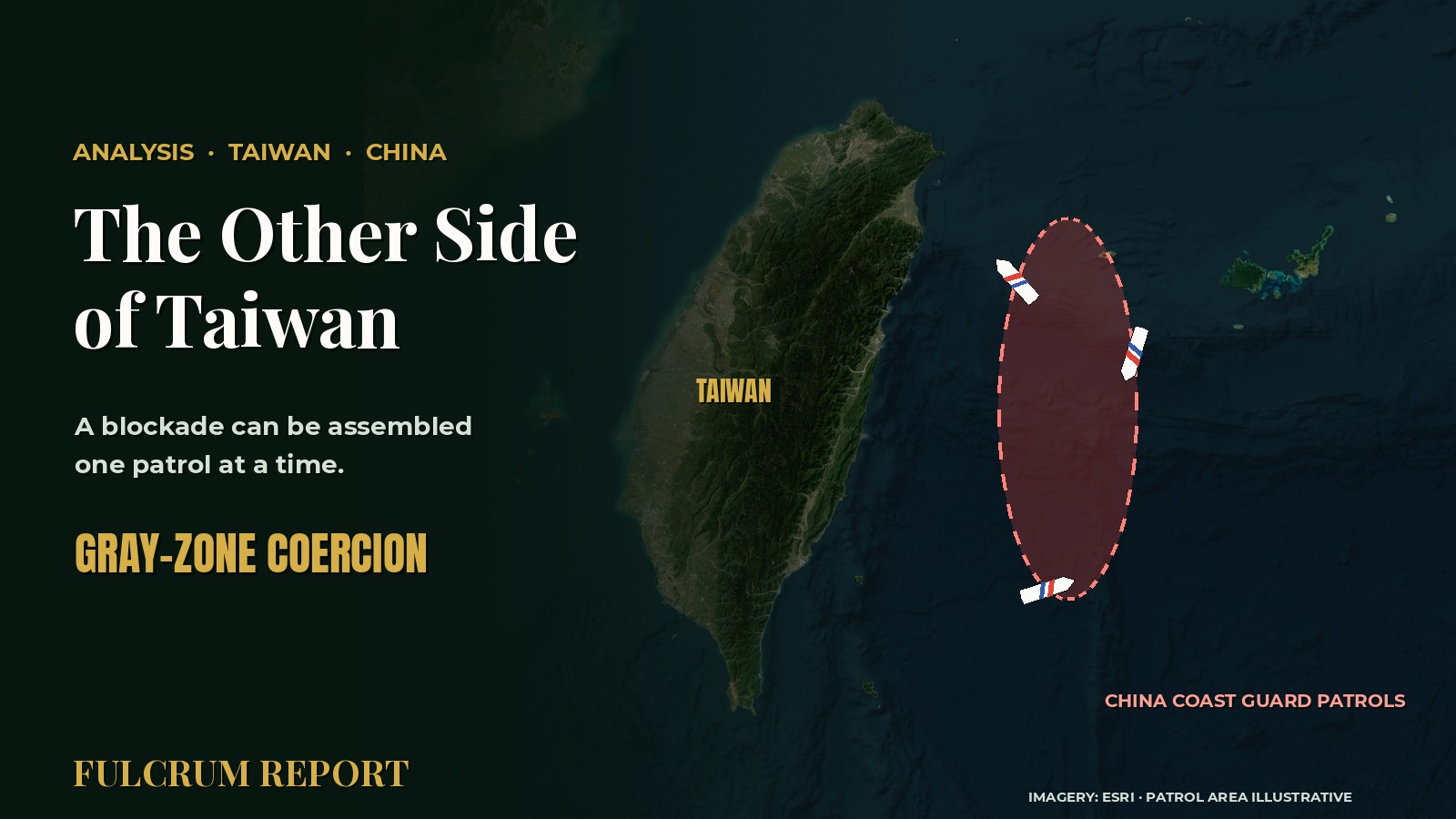
The Other Side of Taiwan: How a Blockade Gets Built Without Being Declared
China's Coast Guard has reportedly set up a regular presence east of Taiwan, framed as law enforcement, while a $14 billion U.S. arms package is pending. A look at gray-zone coercion, salami tactics and escalation control.